Protecting Options for Seniors Act of 2025
Summary
What This Bill Does
The Protecting Options for Seniors Act changes Medicare Advantage rate-setting for areas affected by large hospital wage index increases. Beginning with rates calculated for 2026, if an MA local area's weighted average hospital wage index for 2025 or a later year increases by more than 20 percent compared with the preceding year, the Secretary must increase the national per capita MA growth percentage used for that area by a local growth percentage. For 2026, that percentage compares the area's 2026 weighted average wage index to 2024; for later years, it compares the current year to the previous year. The adjustment is multiplied by a weighting factor based on hospital payments subject to wage or labor cost adjustment divided by total Medicare Parts A and B claims payments in the area, excluding CMMI model payments. The weighted average hospital wage index is based on all area hospitals geographically located in the MA local area, regardless of certain reclassifications, weighted by Medicare payments. The bill also makes conforming benchmark and publication changes and requires benchmark neutrality so the enrollment-weighted average applicable amount across all MA payment areas is unchanged.
Who Benefits and How
Medicare Advantage plans in affected wage-index areas benefit because local growth calculations account for large hospital wage index increases. Seniors enrolled in Medicare Advantage in affected areas benefit if adjusted benchmarks help maintain plan options or benefits after wage-index reclassification. Area hospitals benefit indirectly because MA local growth calculations incorporate wage-index changes tied to geographically located hospitals. Health plans serving high-wage-growth markets benefit from payment-area calculations that recognize local cost growth beginning in 2026.
Who Bears the Burden and How
CMS Medicare Advantage rate staff must calculate applicable areas, wage-index increases, weighting factors, hospital payment totals, and benchmark-neutral adjustments. Medicare Advantage plans in other areas may see offsetting effects because the bill requires benchmark neutrality across all payment areas. Hospital data reporting systems must support publication of total amounts paid to each area hospital separately for Parts A and B. Federal actuaries must incorporate the new local growth percentage adjustment into 2026 and later MA rate publications.
Key Provisions
- Amends Medicare Advantage rate calculations to add a local growth adjustment for areas with hospital wage index increases above 20 percent.
- Requires the adjustment to use a wage-index percentage and a hospital-payment weighting factor.
- Requires benchmark neutrality so the enrollment-weighted average applicable amount across all MA areas is unchanged.
- Requires publication of total amounts paid to each area hospital separately for Medicare Parts A and B beginning with 2026 information.
Evidence Chain:
This summary is generated from the full bill text using AI analysis. Expand "Detailed Analysis" below for identified beneficiaries/burden bearers with clause-level evidence links.
At a Glance
What This Bill Does
Adjusts Medicare Advantage local area growth calculations beginning in 2026 when an MA local area's weighted average hospital wage index rises by more than 20 percent, while preserving benchmark neutrality across all MA payment areas.
Key Policy Areas
Medicare, Health Insurance, Hospital Payments
Primary Purpose
Adjusts Medicare Advantage local area growth calculations beginning in 2026 when an MA local area's weighted average hospital wage index rises by more than 20 percent, while preserving benchmark neutrality across all MA payment areas.
Policy Domains
Resolution provisions
Identified Gains
- Medicare Advantage plans
- Seniors in affected MA areas
- Area hospitals
- Health plans in high-wage-growth markets
Identified Costs
- CMS Medicare Advantage rate staff
- Medicare Advantage plans in other areas
- Hospital data reporting systems
- Federal actuaries
Sponsors
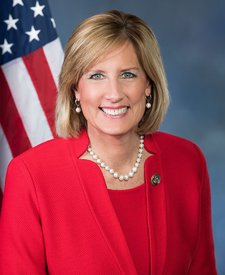




Legislative Progress
In CommitteeMs. Tenney (for herself, Mr. Langworthy, Mr. Tonko, Mr. Lawler, …
Referred to the Committee on Ways and Means, and in …
Introduced in House
Stakeholder Effects
cui bono?How this legislation distributes effects. Mention counts reflect frequency, not effect magnitude.
Medicare Advantage plans, Medicare Advantage plans in other areas, Seniors in affected MA areas
Positive-direction: Medicare Advantage plans, Seniors in affected MA areas
Negative-direction: Medicare Advantage plans in other areas
Bill Structure & Actor Mappings
Who is "The Secretary" in each section?
We use a combination of our own taxonomy and classification in addition to large language models to assess meaning and potential beneficiaries. High confidence means strong textual evidence. Always verify with the original bill text.
Learn more about our methodology