Protecting Data at the Border Act
Summary
What This Bill Does
The Protecting Data at the Border Act creates procedures for federal access to digital data at the U.S. border. Governmental entities generally may not access the digital contents of a U.S. person's electronic equipment at the border without a probable-cause warrant issued under criminal procedure rules. They may not deny entry or exit to a U.S. person for refusing to disclose access credentials, provide digital contents, or provide online account information, and any delay to seek consensual access may not exceed four hours. Designated DHS investigative or law enforcement officers may use emergency access without a warrant only for immediate danger, national-security conspiracies, or organized-crime conspiracies, and must apply for a warrant as soon as practicable and within seven days. If no warrant is obtained, copies and derived information must be destroyed, disclosure is barred, and the U.S. person must be notified. The bill permits non-investigative emergency services access, requires written notice and written consent for consensual access, restricts copying or retention absent probable cause, requires destruction and notice after unlawful access, requires records of each digital access event, bars unlawfully obtained digital contents or online account information from evidence in court, agency, immigration, or other proceedings, and requires DHS to report annually on warrant, emergency, consent, credential, unlawful, non-U.S.-person, cross-component, country, nationality, immigration status, admission category, and perceived race and ethnicity data.
Who Benefits and How
U.S. citizens and lawful residents benefit from a warrant requirement before federal officers access digital contents at the border. Travelers carrying phones or laptops benefit because refusal to provide credentials or online account access cannot be used to deny entry or exit and delays are capped at four hours. Privacy advocates benefit from destruction, notice, evidence-exclusion, recordkeeping, and annual public reporting rules. Defense attorneys benefit because unlawfully obtained border digital contents and derived evidence are barred from proceedings.
Who Bears the Burden and How
Customs and Border Protection officers must obtain warrants or written consent, track access events, follow emergency procedures, and destroy unlawfully obtained data. DHS investigative officers must apply for warrants within seven days after emergency access and notify U.S. persons if copies are destroyed. Federal prosecutors lose evidence if border digital searches violate the Act. Homeland Security reporting staff must publish annual data on digital searches, consent, credentials, nationality, travel origin, and perceived race and ethnicity.
Key Provisions
- Requires probable-cause warrants for federal access to U.S. persons' digital contents at the border unless an exception applies.
- Prohibits denying entry or exit for refusal to provide credentials, online account access, or online account information and caps delays at four hours.
- Requires written notice, written consent, emergency warrant applications, destruction of unlawful copies, and notice to affected U.S. persons.
- Bars unlawfully obtained digital contents from evidence and requires annual DHS audit and public reporting on border digital searches.
Evidence Chain:
This summary is generated from the full bill text using AI analysis. Expand "Detailed Analysis" below for identified beneficiaries/burden bearers with clause-level evidence links.
At a Glance
What This Bill Does
Requires warrants or written consent for federal access to U.S. persons' digital contents at the border, limits detention for refusal to provide credentials or online-account access, creates emergency access and destruction rules, excludes unlawfully obtained digital evidence, and mandates annual DHS reporting on border digital searches.
Key Policy Areas
Privacy, Border Security, Civil Liberties
Primary Purpose
Requires warrants or written consent for federal access to U.S. persons' digital contents at the border, limits detention for refusal to provide credentials or online-account access, creates emergency access and destruction rules, excludes unlawfully obtained digital evidence, and mandates annual DHS reporting on border digital searches.
Policy Domains
Resolution provisions
Identified Gains
- U.S. citizens
- Travelers carrying phones
- Privacy advocates
- Defense attorneys
Identified Costs
- Customs and Border Protection officers
- DHS investigative officers
- Federal prosecutors
- Homeland Security reporting staff
Sponsors

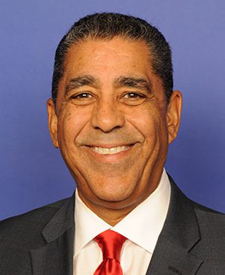


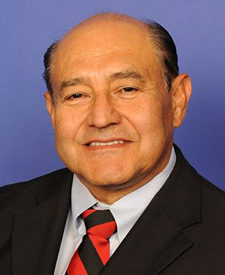
Legislative Progress
In CommitteeMr. Lieu (for himself, Mr. Beyer, Ms. Norton, and Mr. …
Referred to the Committee on the Judiciary, and in addition …
Referred to the Subcommittee on Border Security and Enforcement.
Introduced in House
Stakeholder Effects
cui bono?How this legislation distributes effects. Mention counts reflect frequency, not effect magnitude.
Customs and Border Protection officers, DHS investigative officers
Bill Structure & Actor Mappings
Who is "The Secretary" in each section?
We use a combination of our own taxonomy and classification in addition to large language models to assess meaning and potential beneficiaries. High confidence means strong textual evidence. Always verify with the original bill text.
Learn more about our methodology