Aviation Medication Transparency Act of 2025
Summary
What This Bill Does
The Aviation Medication Transparency Act directs the FAA Administrator to publish within one year and maintain on a public FAA website the list of medications and treatments that may be safely prescribed to an airman for medical certification. The list must be drafted in consultation with the Aeromedical Innovation and Modernization Working Group, certified bargaining representatives of FAA air traffic controllers, the principal organization representing the largest certified collective bargaining representative of airline pilots, and other relevant stakeholders. It must be comprehensive, user-friendly, accessible, provided when airmen first seek a license and medical certification, state average periods when an airman must have limited or no duties to stabilize on an approved medication, include FAA Do Not Issue medications, provide a mechanism for doctors or medical providers to contact FAA with questions, explain what conditions a medication may or may not treat and why a medication is allowed or prohibited, and be updated annually as appropriate.
Who Benefits and How
Airline pilots benefit from a public medication list that explains approved treatments, Do Not Issue drugs, and stabilization periods for certification. Air traffic controllers benefit because their certified bargaining representatives must be consulted in drafting the list. Aviation medical examiners benefit from a provider contact mechanism and clearer information about allowed or prohibited medications. Airmen seeking first medical certification benefit because the list must be provided when they first seek a license and medical certificate.
Who Bears the Burden and How
FAA medical certification staff must publish, maintain, explain, and annually update the medication and treatment list. Aeromedical Innovation and Modernization Working Group members must participate in developing the list. Pilot and controller bargaining representatives must provide consultation input. Doctors and medical providers must use the FAA contact mechanism when they need medication-list guidance for airmen.
Key Provisions
- Requires FAA to publish a public medication and treatment list for airman medical certification within one year.
- Requires consultation with aeromedical experts, air traffic controller representatives, pilot representatives, and relevant stakeholders.
- Requires the list to include stabilization-duty periods, Do Not Issue medications, provider contact options, and explanations.
- Requires annual updates to the medication and treatment list after publication.
Evidence Chain:
This summary is generated from the full bill text using AI analysis. Expand "Detailed Analysis" below for identified beneficiaries/burden bearers with clause-level evidence links.
At a Glance
What This Bill Does
Requires FAA to publish, provide, and annually update a public user-friendly list of medications and treatments that may be safely prescribed to airmen for medical certification purposes, including stabilization periods, Do Not Issue medications, and a provider contact mechanism.
Key Policy Areas
Aviation, Health Care, Federal Workforce
Primary Purpose
Requires FAA to publish, provide, and annually update a public user-friendly list of medications and treatments that may be safely prescribed to airmen for medical certification purposes, including stabilization periods, Do Not Issue medications, and a provider contact mechanism.
Policy Domains
Resolution provisions
Identified Gains
- Airline pilots
- Air traffic controllers
- Aviation medical examiners
- Airmen seeking certification
Identified Costs
- FAA medical certification staff
- Aeromedical working group members
- Pilot representatives
- Doctors and medical providers
Sponsors

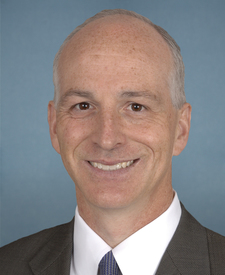



Legislative Progress
In CommitteeMr. Casten (for himself and Mr. Stauber) introduced the following …
Referred to the House Committee on Transportation and Infrastructure.
Referred to the Subcommittee on Aviation.
Introduced in House
Stakeholder Effects
cui bono?How this legislation distributes effects. Mention counts reflect frequency, not effect magnitude.
Bill Structure & Actor Mappings
Who is "The Secretary" in each section?
We use a combination of our own taxonomy and classification in addition to large language models to assess meaning and potential beneficiaries. High confidence means strong textual evidence. Always verify with the original bill text.
Learn more about our methodology