Mental Health in Aviation Act of 2025
Summary
What This Bill Does
The Mental Health in Aviation Act of 2025 requires the Federal Aviation Administration to reduce mental-health barriers in aviation medical certification. Within two years, FAA must update regulations, including 14 CFR part 67, to encourage people carrying out aviation activities to seek help for mental-health conditions or symptoms and disclose those conditions or symptoms. The bill expands the FAA Reauthorization Act mental-health task group review to include National Transportation Safety Board recommendations and current clinical studies, diagnostic manuals, protocols, and consultation with air traffic controller bargaining representatives, airline pilot unions, aviation medical examiners, and other aviation and medical stakeholders.
Who Benefits and How
Pilots with mental-health conditions, air traffic controllers with mental-health conditions, pilots awaiting special issuance, air traffic controllers awaiting special issuance, aviation medical examiners, HIMS aviation medical examiners, psychiatrists seeking examiner roles, air traffic controller unions, airline pilot unions, the FAA Office of Aerospace Medicine, aviation mental-health clinicians, and public-information campaign contractors benefit from less punitive disclosure rules, annual medication and special-issuance review, more examiner capacity, backlog reduction, funded education campaigns, and required implementation of the April 1, 2024 rulemaking committee recommendations.
Who Bears the Burden and How
The FAA Administrator, FAA Office of Aerospace Medicine, FAA regulatory staff, aviation medical examiner oversight staff, mental-health task group members, special-issuance reviewers, congressional reporting staff, and aviation employers must revise regulations, review policies annually, reclassify medication rules, train examiners, delegate authority where appropriate, spend set-aside funds, justify unimplemented recommendations, develop public-information campaigns, and report campaign plans to Congress.
Key Provisions
- Requires FAA within two years to update mental-health-related aviation regulations and implement task-group recommendations encouraging treatment-seeking and disclosure.
- Requires the task group to consider NTSB recommendations, clinical studies, diagnostic manuals, protocols, and labor and medical stakeholder consultation.
- Requires annual review and updates to mental-health-related special issuance rules for pilots and air traffic controllers.
- Funds $13.74 million per year for fiscal years 2026 through 2028 for additional aviation medical examiners, HIMS examiners, oversight, and backlog reduction.
- Requires FAA to implement Mental Health and Aviation Medical Clearances Aviation Rulemaking Committee recommendations to the greatest extent practicable or justify refusals to Congress.
- Funds $1.5 million per year for fiscal years 2026 through 2028 for public education to destigmatize aviation mental-health care.
Evidence Chain:
This summary is generated from the full bill text using AI analysis. Expand "Detailed Analysis" below for identified beneficiaries/burden bearers with clause-level evidence links.
At a Glance
What This Bill Does
Directs the FAA to update aviation mental-health certification rules, implement aviation workforce mental-health recommendations, review the special-issuance process every year, fund aviation medical examiner capacity, and run public education campaigns to destigmatize mental-health care for pilots and air traffic controllers.
Key Policy Areas
Transportation, Health Care, Labor
Primary Purpose
Directs the FAA to update aviation mental-health certification rules, implement aviation workforce mental-health recommendations, review the special-issuance process every year, fund aviation medical examiner capacity, and run public education campaigns to destigmatize mental-health care for pilots and air traffic controllers.
Policy Domains
Substantive provisions
Identified Gains
- Pilots with mental-health conditions
- Air traffic controllers with mental-health conditions
- Pilots awaiting special issuance
- Air traffic controllers awaiting special issuance
- Aviation medical examiners
- HIMS aviation medical examiners
- Psychiatrists seeking examiner roles
- Air traffic controller unions
- Airline pilot unions
- FAA Office of Aerospace Medicine
Identified Costs
- FAA Administrator
- FAA Office of Aerospace Medicine
- FAA regulatory staff
- Aviation medical examiner oversight staff
- Mental-health task group members
- Special-issuance reviewers
- Congressional reporting staff
- Aviation employers
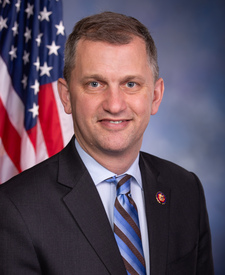
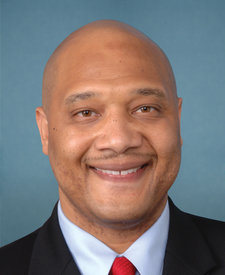
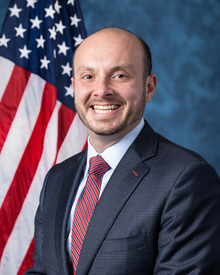
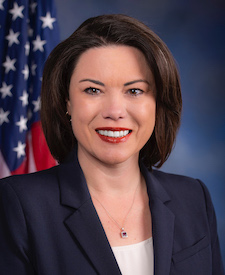
Sponsors

Legislative Progress
Passed HouseReceived; read twice and referred to the Committee on Commerce, …
Received in the Senate and Read twice and referred to …
Passed House (inferred from eh version)
Additional sponsors: Ms. Wilson of Florida, Mr. Bergman, Ms. Davids …
Reported with an amendment, committed to the Committee of the …
Motion to reconsider laid on the table Agreed to without …
On motion to suspend the rules and pass the bill, …
Passed/agreed to in House: On motion to suspend the rules …
DEBATE - The House proceeded with forty minutes of debate …
Considered under suspension of the rules. (consideration: CR H3872-3874)
Stakeholder Effects
cui bono?How this legislation distributes effects. Mention counts reflect frequency, not effect magnitude.
Air traffic controllers seeking mental-health care, Air traffic controllers with mental-health conditions, Air traffic controllers with pending special issuance requests
Congressional transportation committees, FAA Administrator, FAA Office of Aerospace Medicine
Positive-direction: Congressional transportation committees, National Transportation Safety Board
Negative-direction: FAA Administrator, FAA Office of Aerospace Medicine, FAA public information staff
Aviation medical examiners, HIMS aviation medical examiners, Mental-health care providers serving aviation workers
Bill Structure & Actor Mappings
Who is "The Secretary" in each section?
- "office"
- → FAA Office of Aerospace Medicine
- "administrator"
- → Federal Aviation Administration Administrator
- "special_issuance"
- → special issuance under 14 CFR 67.401
We use a combination of our own taxonomy and classification in addition to large language models to assess meaning and potential beneficiaries. High confidence means strong textual evidence. Always verify with the original bill text.
Learn more about our methodology