To require the Administrator of the Federal Aviation Administration to revise regulations for certain individuals carrying out aviation activities who disclose a mental health diagnosis or condition, and for other purposes.
Sponsors


Legislative Progress
Passed HouseReceived; read twice and referred to the Committee on Commerce, …
Passed House (inferred from eh version)
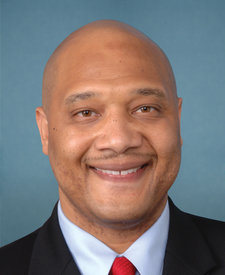
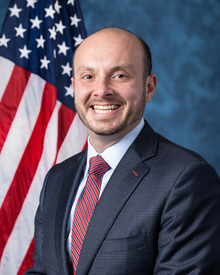
Additional sponsors: Ms. Wilson of Florida, Mr. Bergman, Ms. Davids …
Reported with an amendment, committed to the Committee of the …
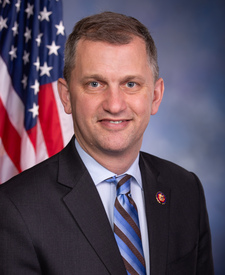
Mr. Casten (for himself, Mr. Stauber, Mr. Larsen of Washington, …
Summary
What This Bill Does
The Mental Health in Aviation Act of 2025 updates Federal Aviation Administration (FAA) regulations to make it easier for pilots and air traffic controllers to seek mental health treatment without risking their careers. The bill aims to reduce the stigma around mental health issues in the aviation industry by revising medical certification rules and launching a public education campaign.
Who Benefits and How
Pilots and air traffic controllers benefit the most, as they will face fewer barriers to seeking mental health care while maintaining their medical certifications. The bill allows more medications to be safely prescribed to aviation professionals and streamlines the "special issuance" process for those with mental health conditions. Aviation medical examiners, particularly psychiatrists, may see increased demand for their services as the FAA recruits additional examiners.
Who Bears the Burden and How
The FAA faces significant new administrative requirements, including conducting annual reviews of mental health policies, implementing rulemaking committee recommendations within 2 years, and running a public education campaign. Taxpayers bear the cost, with approximately $60.96 million authorized over four years (fiscal years 2026-2029): $13.74 million annually for recruiting aviation medical examiners and $1.5 million annually for the public awareness campaign.
Key Provisions
- Requires the FAA to update regulations within 2 years to implement recommendations from the aviation workforce mental health task group, encouraging pilots and controllers to seek help for mental health conditions.
- Mandates annual FAA reviews of mental health special issuance policies, including approving additional medications for treating mental health conditions in aviation professionals.
- Authorizes $13.74 million per year (2026-2029) to recruit and train additional aviation medical examiners, including psychiatrists, and clear the backlog of special issuance requests.
- Funds a $1.5 million per year public information campaign to destigmatize mental health care in the aviation industry.
- Requires implementation of recommendations from the Mental Health and Aviation Medical Clearances Aviation Rulemaking Committee submitted in April 2024.
Evidence Chain:
This summary is derived from the structured analysis below. See "Detailed Analysis" for per-title beneficiaries/burden bearers with clause-level evidence links.
Primary Purpose
The bill aims to improve mental health support for individuals in the aviation industry, including pilots and air traffic controllers, by updating regulations, encouraging help-seeking behavior, and implementing recommendations from relevant stakeholders.
Policy Domains
Bill Structure & Actor Mappings
Who is "The Secretary" in each section?
- "the_administrator"
- → Administrator of the Federal Aviation Administration (FAA)
Key Definitions
Terms defined in this bill
Initiatives aimed at educating the public about mental health issues in the aviation industry and available resources.
The procedure for granting special permissions or clearances to pilots and air traffic controllers with mental health conditions.
The process by which the Administrator puts into practice the recommendations of the Mental Health and Aviation Medical Clearances Aviation Rulemaking Committee.
Refers to the Committee on Transportation and Infrastructure in the House of Representatives, and the Committee on Commerce, Science, and Transportation in the Senate.
The allocation of funds by the Administrator for specific purposes, such as recruiting and training additional aviation medical examiners.
The rules and guidelines set by the Administrator of the Federal Aviation Administration, including those in part 67 of title 14 of Code of Federal Regulations.
We use a combination of our own taxonomy and classification in addition to large language models to assess meaning and potential beneficiaries. High confidence means strong textual evidence. Always verify with the original bill text.
Learn more about our methodology