Reduce Duplication and Improve Access to Work Act
Summary
What This Bill Does
The Reduce Duplication and Improve Access to Work Act amends Social Security Act section 404(d) so TANF funds can be transferred to title I of the Workforce Innovation and Opportunity Act. For transferred funds, not more than 15 percent may be reserved for statewide workforce investment activities under WIOA section 128(a)(1). If a state intends to transfer TANF funds to WIOA title I, it must submit a WIOA combined state plan covering the TANF program and apply the WIOA plan-review requirements to the combined programs. The amendments take effect October 1, 2026. The practical goal is to let states use TANF resources in workforce-development systems while imposing a planning and reservation framework.
Who Benefits and How
TANF recipients seeking work benefit if states use transferred funds for WIOA title I employment, training, and workforce services. State workforce agencies benefit because TANF resources can flow into WIOA title I programs under a combined state plan. Local workforce boards benefit if transferred funds support job training and employment services rather than duplicative welfare programs. Low-income job seekers benefit from potentially easier access to coordinated TANF and workforce-development services.
Who Bears the Burden and How
State TANF agencies must decide whether to transfer funds, prepare a combined WIOA state plan, and apply WIOA plan requirements. State workforce administrators must keep statewide workforce investment reservations under 15 percent of transferred TANF funds. The Department of Health and Human Services must coordinate with the Department of Labor on combined plan submissions. TANF cash assistance advocates may bear tradeoffs if states redirect TANF funds toward workforce programs instead of direct assistance.
Key Provisions
- Amends Social Security Act section 404(d) to allow TANF transfers to WIOA title I.
- Limits statewide workforce investment reservations to 15 percent of transferred TANF funds.
- Requires states making the transfer to submit a WIOA combined state plan covering TANF.
- Provides an October 1, 2026 effective date for the transfer authority.
Evidence Chain:
This summary is generated from the full bill text using AI analysis. Expand "Detailed Analysis" below for identified beneficiaries/burden bearers with clause-level evidence links.
At a Glance
What This Bill Does
Allows states to transfer Temporary Assistance for Needy Families funds to Workforce Innovation and Opportunity Act title I programs, limits statewide workforce reservations to 15 percent of transferred funds, and requires a WIOA combined state plan when a state makes the transfer.
Key Policy Areas
Public Assistance, Workforce Development, Labor
Primary Purpose
Allows states to transfer Temporary Assistance for Needy Families funds to Workforce Innovation and Opportunity Act title I programs, limits statewide workforce reservations to 15 percent of transferred funds, and requires a WIOA combined state plan when a state makes the transfer.
Policy Domains
Resolution provisions
Identified Gains
- TANF recipients seeking work
- State workforce agencies
- Local workforce boards
- Low-income job seekers
Identified Costs
- State TANF agencies
- State workforce administrators
- Health and Human Services
- TANF cash assistance advocates
Sponsors

Legislative Progress
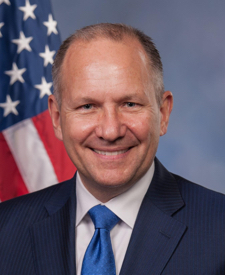
In CommitteeMr. Smucker (for himself and Ms. Van Duyne) introduced the …
Referred to the House Committee on Ways and Means.
Introduced in House
Stakeholder Effects
cui bono?How this legislation distributes effects. Mention counts reflect frequency, not effect magnitude.
State TANF agencies, TANF recipients seeking work
Positive-direction: TANF recipients seeking work
Negative-direction: State TANF agencies
Bill Structure & Actor Mappings
Who is "The Secretary" in each section?
We use a combination of our own taxonomy and classification in addition to large language models to assess meaning and potential beneficiaries. High confidence means strong textual evidence. Always verify with the original bill text.
Learn more about our methodology