PLAN for School Safety Act of 2025
Summary
What This Bill Does
The PLAN for School Safety Act creates a Regional School Safety Development Center program in the Homeland Security Act. The CISA Director may make grants or cooperative agreements to states, state educational agencies, Tribal educational agencies, minority-serving institutions, Tribal Colleges and Universities, and other eligible entities to establish, improve, or maintain statewide or intrastate school safety development centers. Those centers provide customized consulting to schools on individualized school safety and student mental health plans, public awareness of evidence-based school safety practices, communications to educators, parents, guardians, and youth, help identifying federal or state implementation funding, and training for school staff and families. CISA must prefer entities with relationships with local schools, especially rural, Tribal, low-resourced communities, or minority-serving institutions. The federal share is capped at 95 percent. CISA must provide technical assistance with the Secretary of Education and a Youth Advisory Council, hire school mental health and administration experts, receive a reimbursable Education Department detailee, establish the Youth Advisory Council within one year, report to Congress after two years and annually thereafter, and may not use funds for firearm training or hiring school personnel or school-based contractors. The authorization is $25 million annually from fiscal years 2026 through 2030.
Who Benefits and How
Schools benefit because regional centers provide individualized consulting on safety plans, student mental health, violence prevention, threat assessment, emergency planning, drills, and recovery plans. Rural and Tribal communities benefit because award preferences favor eligible entities with existing relationships in underserved school communities. State educational agencies benefit because they can receive awards to establish or maintain school safety centers and coordinate evidence-based support. Students and families benefit from school staff training, public awareness materials, suicide prevention, mental health supports, and youth advisory input.
Who Bears the Burden and How
CISA administrators must run the award program, provide technical assistance, hire experts, convene the Youth Advisory Council, and report annually. Eligible grantees must submit applications, provide expertise evidence, operate centers, comply with the 95 percent federal share, and avoid prohibited firearm or staffing uses. The Department of Education must detail an employee to CISA on a reimbursable basis for training and technical assistance. Federal taxpayers bear $25 million annually in authorized spending for fiscal years 2026 through 2030.
Key Provisions
- Creates Regional School Safety Development Center grants or cooperative agreements in the Homeland Security Act.
- Authorizes $25 million annually from fiscal years 2026 through 2030 and caps the federal share at 95 percent.
- Requires centers to provide customized school safety, student mental health, funding, training, and technical assistance support.
- Prohibits use of funds for firearm training or hiring school personnel and requires CISA youth-advisory and congressional reporting duties.
Evidence Chain:
This summary is generated from the full bill text using AI analysis. Expand "Detailed Analysis" below for identified beneficiaries/burden bearers with clause-level evidence links.
At a Glance
What This Bill Does
Authorizes $25 million annually for fiscal years 2026 through 2030 for CISA awards to eligible entities that establish or maintain Regional School Safety Development Centers providing customized consulting, mental-health, violence-prevention, and school-safety plan support to schools.
Key Policy Areas
School Safety, Education, Public Safety, Mental Health
Primary Purpose
Authorizes $25 million annually for fiscal years 2026 through 2030 for CISA awards to eligible entities that establish or maintain Regional School Safety Development Centers providing customized consulting, mental-health, violence-prevention, and school-safety plan support to schools.
Policy Domains
Resolution provisions
Identified Gains
- Schools
- Rural communities
- State educational agencies
- Students and families
Identified Costs
- CISA administrators
- Eligible grantees
- Department of Education
- Federal taxpayers
Sponsors
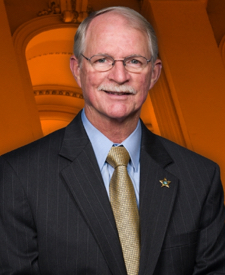
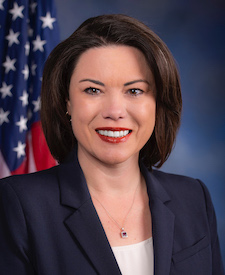
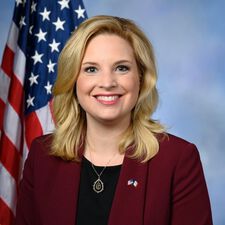
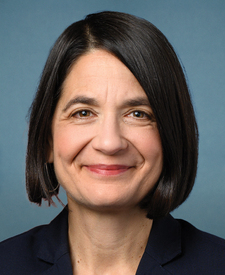

Legislative Progress
In CommitteeMr. Rutherford (for himself, Mr. Neguse, Mr. Tony Gonzales of …
Referred to the House Committee on Education and Workforce.
Introduced in House
Stakeholder Effects
cui bono?How this legislation distributes effects. Mention counts reflect frequency, not effect magnitude.
Bill Structure & Actor Mappings
Who is "The Secretary" in each section?
We use a combination of our own taxonomy and classification in addition to large language models to assess meaning and potential beneficiaries. High confidence means strong textual evidence. Always verify with the original bill text.
Learn more about our methodology