Servicemembers and Veterans Empowerment and Support Act of 2025
Summary
What This Bill Does
The Servicemembers and Veterans Empowerment and Support Act is a VA military sexual trauma package. It requires a VA report on how digital or technological communications affect military sexual trauma coverage and potential nonsexual online trauma. It creates a new compensation-claims standard for covered mental health conditions based on military sexual trauma, requiring VA to consider diagnosis, medical nexus, corroborating evidence from non-DoD sources, behavior changes, notice to the veteran before denial, medical or mental health expert review, points of contact, and specialized claim-processing teams. It lets veterans request that MST-related compensation examinations occur at a VA medical facility by qualified VA employees rather than only at contractor-designated sites. It establishes a VA workgroup to review MST correspondence for dignity and re-traumatization risk, requires contact information for VBA and VHA MST coordinators, the Veterans Crisis Line, local VHA facilities, and Vet Centers, requires studies and annual special focus reviews of claims processing, creates a workgroup on examinations, extends MST counseling and treatment eligibility to former reserve-component members, connects VBA claimants to VHA care when MST claims are submitted, and provides care coverage for people who withdraw from or do not complete service at service academies.
Who Benefits and How
Veterans with military sexual trauma claims benefit from clearer evidence rules, notice before denial, specialized teams, expert review, and required points of contact. Former reserve-component members benefit because MST counseling and treatment eligibility expands beyond prior active-duty-centered coverage. Service academy survivors benefit because people who withdraw from or do not complete academy service can receive VA care for military sexual trauma. Veterans seeking compensation examinations benefit because they may request an examination at a VA medical facility by qualified VA employees. MST mental health patients benefit from correspondence reforms designed to avoid re-traumatization and connect claimants to VHA care. Veterans service organizations benefit because VA must consult stakeholders and produce reports, studies, and annual reviews of MST policy.
Who Bears the Burden and How
The Department of Veterans Affairs must produce digital-age reports, update claim rules, build outreach, run workgroups, and conduct annual special focus reviews. Veterans Benefits Administration claims processors must identify nonmilitary evidence, behavior changes, medical opinions, notices, and specialized-team review requirements. Veterans Health Administration providers must support MST care connections, medical facility examination requests, and expanded eligibility for reserve and academy survivors. VA medical examination contractors may lose some MST-related examination volume when veterans request VA facility examinations. Federal taxpayers bear implementation costs for reporting, outreach, additional reviews, expanded care eligibility, and VA examination options. VA correspondence staff must rewrite standard notices to include coordinator, crisis line, VHA facility, and Vet Center contact information.
Key Provisions
- Requires a VA report on military sexual trauma in the digital age and gaps in health care or compensation coverage.
- Creates compensation-claim rules requiring nonmilitary evidence review, behavior-change evidence, notice before denial, expert review, points of contact, and specialized teams.
- Provides veterans an option to request MST-related compensation examinations at VA medical facilities by qualified VA employees.
- Requires trauma-sensitive correspondence, claims-processing studies, annual special focus reviews, and medical-examination workgroups.
- Expands VA MST counseling and treatment to former reserve-component members, VBA claimants, and service academy survivors.
Evidence Chain:
This summary is generated from the full bill text using AI analysis. Expand "Detailed Analysis" below for identified beneficiaries/burden bearers with clause-level evidence links.
At a Glance
What This Bill Does
Expands and standardizes Department of Veterans Affairs treatment of military sexual trauma by requiring digital-age reporting, broader compensation-evidence rules, claimant outreach, choice of VA examination location, trauma-sensitive correspondence, claim-processing studies, annual reviews, reserve-component treatment eligibility, VBA-to-VHA connections, and service academy care coverage.
Key Policy Areas
Veterans, Military Sexual Trauma, Health Care, Disability Benefits
Primary Purpose
Expands and standardizes Department of Veterans Affairs treatment of military sexual trauma by requiring digital-age reporting, broader compensation-evidence rules, claimant outreach, choice of VA examination location, trauma-sensitive correspondence, claim-processing studies, annual reviews, reserve-component treatment eligibility, VBA-to-VHA connections, and service academy care coverage.
Policy Domains
Resolution provisions
Identified Gains
- Veterans with military sexual trauma claims
- Former reserve-component members
- Service academy survivors
- Veterans seeking compensation examinations
- MST mental health patients
- Veterans service organizations
Identified Costs
- Department of Veterans Affairs
- VBA claims processors
- VHA providers
- VA examination contractors
- Federal taxpayers
- VA correspondence staff
Sponsors

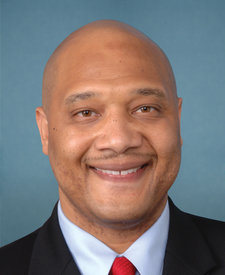



Legislative Progress
In CommitteeReferred to the Subcommittee on Health.
Ms. Pingree (for herself, Ms. Tokuda, Mrs. Cherfilus-McCormick, Mrs. Ramirez, …
Referred to the House Committee on Veterans' Affairs.
Introduced in House
Stakeholder Effects
cui bono?How this legislation distributes effects. Mention counts reflect frequency, not effect magnitude.
Former reserve-component members, Service academy survivors
Bill Structure & Actor Mappings
Who is "The Secretary" in each section?
We use a combination of our own taxonomy and classification in addition to large language models to assess meaning and potential beneficiaries. High confidence means strong textual evidence. Always verify with the original bill text.
Learn more about our methodology