Self-Insurance Protection Act
Sponsors

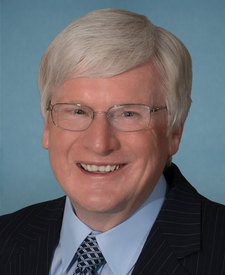

Legislative Progress
IntroducedAdditional sponsors: Mr. Messmer and Mr. Grothman
Reported with an amendment, committed to the Committee of the …
Mr. Onder introduced the following bill; which was referred to …
Summary
What This Bill Does
This bill changes federal law to exclude stop-loss insurance from being regulated as health insurance under ERISA (the Employee Retirement Income Security Act). It also prevents states from restricting employers' ability to purchase stop-loss insurance for their self-insured health plans. Stop-loss insurance is a financial product that reimburses employers when their health plan claims exceed a certain amount.
Who Benefits and How
Stop-loss insurance companies benefit by facing less federal regulatory oversight and fewer state restrictions on their products. Self-insured employers (both large and small companies) benefit by having easier access to stop-loss coverage with potentially lower costs and fewer regulatory hurdles. Third-party administrators who manage self-insured plans could see increased business opportunities as more employers opt for self-insurance with stop-loss protection.
Who Bears the Burden and How
State insurance regulators lose authority to oversee stop-loss insurance products and set minimum attachment points (the dollar amount before coverage kicks in). This preemption reduces consumer protections that states may want to impose. Employees in self-insured health plans could face increased risk if their employers purchase stop-loss policies with very low attachment points, which could effectively convert a self-insured plan into a minimally-regulated insurance arrangement.
Key Provisions
- Amends ERISA Section 733(b)(1) to explicitly exclude stop-loss insurance from the federal definition of "health insurance coverage"
- Adds a new preemption clause to ERISA Section 514(b) blocking state laws that would prevent group health plans from purchasing stop-loss insurance
- Congressional findings assert that both large and small employers need access to stop-loss insurance to protect company assets
- The bill applies to stop-loss policies that reimburse plan sponsors for losses exceeding predetermined levels set in the policy
Evidence Chain:
This summary is derived from the structured analysis below. See "Detailed Analysis" for per-title beneficiaries/burden bearers with clause-level evidence links.
Primary Purpose
Excludes medical stop-loss insurance from federal health insurance regulation and preempts state laws that would prevent self-insured group health plans from purchasing stop-loss coverage
Policy Domains
Legislative Strategy
"Reduce federal and state regulatory oversight of stop-loss insurance products for self-insured health plans by excluding them from the federal definition of health insurance coverage and preempting state regulation"
Likely Beneficiaries
- Stop-loss insurance providers
- Self-insured employers (both large and small)
- Third-party administrators of self-insured plans
- Employee benefit plan sponsors
Likely Burden Bearers
- State insurance regulators (lose authority over stop-loss insurance)
- Employees in self-insured plans with low stop-loss attachment points (reduced consumer protections)
- Federal regulators tasked with ERISA oversight
Bill Structure & Actor Mappings
Who is "The Secretary" in each section?
Key Definitions
Terms defined in this bill
A stop-loss policy obtained by a self-insured group health plan or a plan sponsor to reimburse the plan or sponsor for losses that the plan or sponsor incurs in providing health or medical benefits to plan participants in excess of a predetermined level
We use a combination of our own taxonomy and classification in addition to large language models to assess meaning and potential beneficiaries. High confidence means strong textual evidence. Always verify with the original bill text.
Learn more about our methodology