Maximum Pressure Act
Summary
What This Bill Does
The Maximum Pressure Act is a large Iran sanctions and accountability package. It codifies existing Iran-related executive orders and sanctions, keeps pressure on the Supreme Leader of Iran, Iranian officials, the Islamic Revolutionary Guard Corps, foreign persons involved in international arms transfers, ballistic missiles, drones, energy, shipping, construction, mining, manufacturing, financial institutions, and sectors controlled by the IRGC or Supreme Leader. It restricts fund transfers involving Iran, narrows waiver and license authority, expands congressional review of sanction relief, requires sanctions determinations and reports on banks, oil sales, militia groups, arms shipments to the Houthis and Russia, disinformation, Hamas support, Iranian counterintelligence threats, and unblocked assets. It also blocks International Monetary Fund allocations for Iran, requires special measures at domestic financial institutions, increases Rewards for Justice amounts for Hamas, Hezbollah, PIJ, IRGC, and related targets, repurposes frozen Iranian funds for U.S. victims of state-sponsored terrorism, creates an Iran Strike Fund and labor strike and civil society support fund, and establishes an Iran Kleptocracy Initiative to trace and recover assets stolen by regime officials. The bill's legal strategy is to make sanctions relief harder, increase reporting and oversight, redirect frozen assets toward victims and civil society, and target the revenue streams that support Iran's nuclear, missile, proxy, and repression apparatus.
Who Benefits and How
U.S. sanctions enforcement officers benefit from codified executive orders, clearer review triggers, mandatory reports, and specific sectoral targets. Israeli communities benefit because the bill targets Iran's support for Hamas, Hezbollah, missiles, drones, and regional proxy attacks. U.S. victims of state-sponsored terrorism benefit because frozen Iranian funds and collection tools are directed toward existing judgments. Iranian civil society organizations benefit from the proposed labor strike and civil society support fund and human-rights provisions. Maritime workers benefit indirectly when sanctions and reports target Iranian support for Houthi attacks on commercial vessels and U.S. Navy ships. Domestic security agencies benefit from reports on Iranian counterintelligence threats and sanctions violations inside the United States.
Who Bears the Burden and How
Iranian regime officials, the Supreme Leader, the IRGC, Iranian banks, and regime-controlled sectors face asset blocking, transaction restrictions, and expanded sanctions exposure. Foreign financial institutions must avoid transactions with targeted Iranian banks, sectors, officials, and sanctioned persons or face secondary sanctions. Foreign persons supporting Iranian ballistic missiles, drones, arms transfers, terrorism, or energy exports face sanctions determinations and blocking measures. Treasury Department sanctions administrators must implement new reports, special measures, frozen-fund controls, and congressional review procedures. State Department officials must maintain militia watchlists, terrorism reports, Rewards for Justice changes, human-rights support, and Iran policy certifications. Federal agencies administering frozen assets and victim payments must balance sanctions enforcement, litigation, and reporting duties.
Key Provisions
- Amends Iran sanctions policy by codifying executive orders and maintaining sanctions on the Supreme Leader, Iranian officials, the IRGC, arms transfers, energy, shipping, and finance.
- Requires expanded sanctions for ballistic missile support, foreign financial institutions, militia groups, Iranian sectors, and sanctions violators.
- Restricts waivers, licenses, fund transfers, IMF allocations, and sanction-relief actions unless Congress receives review or certification.
- Requires reports on Iranian banks, oil sales, militia lists, Houthi and Russian arms shipments, disinformation, Hamas support, unblocked assets, and counterintelligence threats.
- Creates victims-compensation, Iran Strike Fund, civil society support, and kleptocracy recovery tools tied to frozen Iranian assets and regime corruption.
Evidence Chain:
This summary is generated from the full bill text using AI analysis. Expand "Detailed Analysis" below for identified beneficiaries/burden bearers with clause-level evidence links.
At a Glance
What This Bill Does
Codifies and expands a maximum-pressure sanctions policy against Iran by hardening nuclear, missile, terrorism, financial, energy, shipping, IMF, militia, human-rights, victims-compensation, labor-strike, and kleptocracy measures until Iran stops terrorism support and dismantles weapons and missile capabilities.
Key Policy Areas
Foreign Affairs, Sanctions, National Security, Human Rights
Primary Purpose
Codifies and expands a maximum-pressure sanctions policy against Iran by hardening nuclear, missile, terrorism, financial, energy, shipping, IMF, militia, human-rights, victims-compensation, labor-strike, and kleptocracy measures until Iran stops terrorism support and dismantles weapons and missile capabilities.
Policy Domains
Resolution provisions
Identified Gains
- U.S. sanctions enforcement officers
- Israeli communities
- U.S. victims of state-sponsored terrorism
- Iranian civil society organizations
- Maritime workers
- Domestic security agencies
Identified Costs
- Iranian regime officials
- Foreign financial institutions
- Foreign arms suppliers
- Treasury sanctions administrators
- State Department officials
- Federal asset administrators
Sponsors


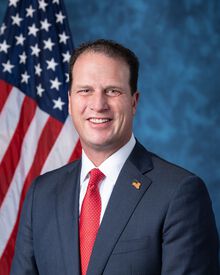
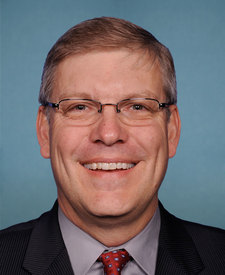

Legislative Progress
In CommitteeMr. Nunn of Iowa (for himself, Mr. Pfluger, Mr. Williams …
Referred to the Committee on Foreign Affairs, and in addition …
Introduced in House
Stakeholder Effects
cui bono?How this legislation distributes effects. Mention counts reflect frequency, not effect magnitude.
Iranian regime officials, State Department officials, Treasury sanctions administrators
U.S. victims of state-sponsored terrorism
Bill Structure & Actor Mappings
Who is "The Secretary" in each section?
We use a combination of our own taxonomy and classification in addition to large language models to assess meaning and potential beneficiaries. High confidence means strong textual evidence. Always verify with the original bill text.
Learn more about our methodology