To impose additional sanctions with respect to Iran and modify other existing sanctions with respect to Iran, and for other purposes.
Sponsors




Legislative Progress
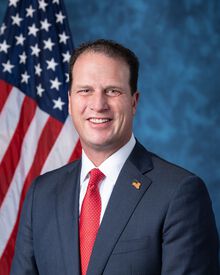
IntroducedMr. Nunn of Iowa (for himself, Mr. Pfluger, Mr. Williams …
Summary
What This Bill Does
The Maximum Pressure Act imposes sweeping new sanctions on Iran targeting its nuclear program, ballistic missile development, support for terrorist groups, and human rights abuses. It codifies Trump-era executive orders into permanent law and severely restricts the President's ability to waive, suspend, or lift these sanctions without Congressional approval.
Who Benefits and How
U.S. national security establishment: Gains permanent legal framework for maximum pressure on Iran without executive branch flexibility to reverse course.
Israel and Gulf allies: Benefit from sustained U.S. economic pressure on their primary regional adversary, including mandatory sanctions on Iran-backed groups like Hamas, Hezbollah, and Houthis.
Victims of Iranian terrorism: Gains access to frozen Iranian assets for compensation, with penalties and forfeitures directed to victim funds.
Iranian civil society and dissidents: Receives support through a new fund for Iranian workers on strike and families of political prisoners.
Who Bears the Burden and How
Iranian government and IRGC: Face comprehensive asset freezes, travel bans, and economic isolation across virtually all sectors of the economy.
Foreign financial institutions: Must cut all ties with Iranian entities or face exclusion from the U.S. financial system (secondary sanctions).
Foreign companies trading with Iran: Face sanctions for involvement in Iranian oil, shipping, metals, automotive, petrochemical, and other sectors.
Executive branch: Loses significant waiver authority over Iran sanctions, with all relief requiring Congressional certification.
Marine insurers and shipping companies: Must refuse service to Iranian vessels or face sanctions.
Key Provisions
-
Codifies seven Trump executive orders: Makes 2017-2020 Iran sanctions permanent law, preventing future administrations from easily reversing them
-
Eliminates presidential waiver authority: Beginning February 2028, the President cannot issue waivers or licenses for Iran sanctions under IEEPA
-
Imposes 12 conditions for sanctions relief: Iran must meet all demands from former Secretary Pompeo (end enrichment, release hostages, stop terror funding) before any sanctions can be lifted
-
Expands sectoral sanctions: Adds iron, steel, aluminum, copper, construction, manufacturing, mining, textile, petrochemical, and automotive industries to sanctioned sectors
-
Creates IRGC Watch List: Requires Treasury to publish entities with any IRGC ownership or influence, not just those currently sanctioned
-
Blocks IMF access: Prohibits any U.S. funds for IMF Special Drawing Rights allocations to Iran
-
Targets Supreme Leader personally: Mandates sanctions on Khamenei, his office, his appointees, and anyone transacting with them
-
Establishes kleptocracy investigation: Creates DOJ initiative to identify and seize assets of corrupt Iranian officials
Evidence Chain:
This summary is derived from the structured analysis below. See "Detailed Analysis" for per-title beneficiaries/burden bearers with clause-level evidence links.
Primary Purpose
Imposes comprehensive sanctions on Iran (the Maximum Pressure Act) targeting its nuclear program, ballistic missile development, support for terrorism, and human rights abuses, while codifying executive orders and limiting the Presidents ability to waive or lift sanctions.
Policy Domains
Legislative Strategy
"Codify Trump-era maximum pressure sanctions against Iran, eliminate presidential waiver authority, and create new reporting requirements to ensure sustained enforcement"
Likely Beneficiaries
- U.S. national security establishment (enhanced Iran pressure tools)
- Israel and Gulf allies (strategic support against Iran)
- Victims of Iranian terrorism (access to frozen assets)
- Iranian civil society and dissidents (support fund established)
- U.S. sanctions enforcement agencies (expanded authority)
Likely Burden Bearers
- Iranian government and IRGC (comprehensive sanctions)
- Foreign financial institutions (secondary sanctions exposure)
- Foreign companies in Iranian sectors (sanctions risk)
- Executive branch (eliminated waiver authority, new reporting requirements)
- Entities on Tehran Stock Exchange (potential sanctions)
- Iranian regime officials (asset freezes, kleptocracy investigations)
Bill Structure & Actor Mappings
Who is "The Secretary" in each section?
- "the_president"
- → President of the United States
- "the_president"
- → President of the United States
- "the_secretary"
- → Secretary of the Treasury (for OFAC matters) or Secretary of State (for designations)
- "the_secretary_of_state"
- → Secretary of State
- "the_secretary_of_the_treasury"
- → Secretary of the Treasury
- "the_president"
- → President of the United States
- "the_secretary_of_state"
- → Secretary of State
- "the_secretary_of_the_treasury"
- → Secretary of the Treasury
- "the_president"
- → President of the United States
- "the_secretary_of_state"
- → Secretary of State
- "the_secretary_of_the_treasury"
- → Secretary of the Treasury
- "the_president"
- → President of the United States
- "the_secretary_of_state"
- → Secretary of State
- "the_secretary_of_the_treasury"
- → Secretary of the Treasury
- "the_president"
- → President of the United States
- "the_attorney_general"
- → Attorney General
- "the_secretary_of_state"
- → Secretary of State
- "the_secretary_of_the_treasury"
- → Secretary of the Treasury
- "the_director_of_national_intelligence"
- → Director of National Intelligence
- "the_president"
- → President of the United States
- "the_attorney_general"
- → Attorney General
- "the_secretary_of_state"
- → Secretary of State
- "the_secretary_of_the_treasury"
- → Secretary of the Treasury
Note: The Secretary may refer to Secretary of the Treasury (for OFAC/financial matters) or Secretary of State (for designations/diplomatic matters) depending on context
Key Definitions
Terms defined in this bill
Has the meaning given that term in section 102 of the Agricultural Trade Act of 1978 (7 U.S.C. 5602)
Has the meaning given in section 5318A of title 31, United States Code
Has the meaning as determined by the Secretary of the Treasury pursuant to section 104(i) of CISADA
Includes any agencies or instrumentalities of that Government and any entities controlled by that Government
Has the meaning given the term device in section 201 of the Federal Food, Drug, and Cosmetic Act
Determined by the President considering totality of facts and circumstances, similar to factors in 31 CFR 561.404
We use a combination of our own taxonomy and classification in addition to large language models to assess meaning and potential beneficiaries. High confidence means strong textual evidence. Always verify with the original bill text.
Learn more about our methodology