Lifespan Respite Care Reauthorization Act of 2025
Summary
What This Bill Does
The Lifespan Respite Care Reauthorization Act makes two targeted changes to the Public Health Service Act respite-care program. It changes the definition in section 2901(5) from unpaid adult to unpaid individual, allowing the statutory caregiver concept to include unpaid caregivers who are not adults when other program requirements are met. It also reauthorizes the program by replacing the old fiscal years 2020 through 2024 authorization window with fiscal years 2025 through 2029. The bill therefore keeps the federal respite-care framework active and broadens who can be recognized as an unpaid caregiver within the program.
Who Benefits and How
Unpaid family caregivers benefit because the respite-care program remains authorized for fiscal years 2025 through 2029. Young unpaid caregivers benefit because the definition changes from unpaid adult to unpaid individual. People needing long-term care benefit if broader caregiver recognition improves access to respite and support services. State lifespan respite programs benefit from continued federal authorization for program planning and grants.
Who Bears the Burden and How
Health and Human Services administrators must update caregiver-definition guidance and manage the 2025 through 2029 authorization period. State respite-care agencies must apply the broader unpaid-individual definition when designing services and outreach. Federal taxpayers bear continued program costs if Congress appropriates funds under the renewed authorization. Program evaluators must account for a potentially broader caregiver population that includes unpaid individuals who are not adults.
Key Provisions
- Amends the Public Health Service Act caregiver definition by replacing unpaid adult with unpaid individual.
- Extends Lifespan Respite Care authorization from fiscal years 2025 through 2029.
- Provides continued federal support for respite-care planning and services for family caregivers.
- Expands recognition to younger unpaid caregivers without creating a separate new benefit program.
Evidence Chain:
This summary is generated from the full bill text using AI analysis. Expand "Detailed Analysis" below for identified beneficiaries/burden bearers.
At a Glance
What This Bill Does
Reauthorizes Lifespan Respite Care Act funding for fiscal years 2025 through 2029 and broadens the statutory caregiver definition from unpaid adults to unpaid individuals.
Key Policy Areas
Caregiving, Public Health, Family Support
Primary Purpose
Reauthorizes Lifespan Respite Care Act funding for fiscal years 2025 through 2029 and broadens the statutory caregiver definition from unpaid adults to unpaid individuals.
Policy Domains
Resolution provisions
Identified Gains
Contextual inference, no direct clause citation- Unpaid family caregivers
- Young unpaid caregivers
- People needing long-term care
- State lifespan respite programs
Contextual inference, no direct clause citation
Identified Costs
Contextual inference, no direct clause citation- Health and Human Services
- State respite-care agencies
- Federal taxpayers
- Program evaluators
Contextual inference, no direct clause citation
Sponsors
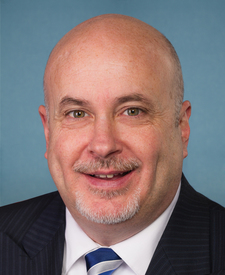
Legislative Progress
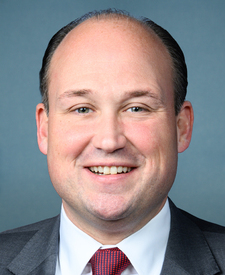
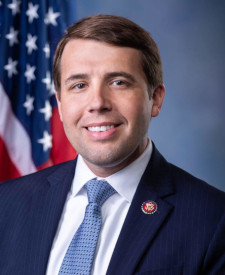
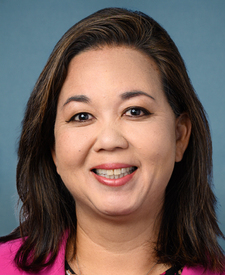
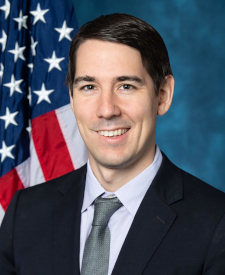
In CommitteeMr. Langworthy (for himself and Ms. Tokuda) introduced the following …
Referred to the House Committee on Energy and Commerce.
Introduced in House
Bill Structure & Actor Mappings
Who is "The Secretary" in each section?
We use a combination of our own taxonomy and classification in addition to large language models to assess meaning and potential beneficiaries. High confidence means strong textual evidence. Always verify with the original bill text.
Learn more about our methodology