Sanctioning Russia Act of 2025
Summary
What This Bill Does
The Sanctioning Russia Act is a broad escalation package that activates after a covered presidential determination tied to Russia refusing good-faith negotiations for a lasting peace with Ukraine. It requires blocking sanctions and visa restrictions on senior Russian government and military officials, foreign persons supporting Russia's armed forces or undermining Ukraine, oligarchs, and sanctions evaders. It directs sanctions against Bank of Russia, Sberbank, VTB Bank, Gazprombank, Russian government-owned financial institutions, directors, officers, and shareholders, and entities owned by or affiliated with the Russian government. It bars U.S. persons and financial institutions from transactions, fund transfers, investments, and Russian energy-sector activity; cuts sanctioned Russian banks off from global financial messaging systems; prohibits Russian-origin uranium imports; raises duties on Russian goods and services to at least 500 percent ad valorem; applies CAATSA sanctions; and imposes 500 percent duties on countries buying Russian-origin oil, uranium, natural gas, petroleum products, or petrochemicals, subject to a one-time national-security waiver. The bill preserves humanitarian, intelligence, and international-organization exceptions and lets sanctions terminate only after Russia enters a peace agreement with Ukraine and covered actors cease prohibited conduct.
Who Benefits and How
Ukraine benefits because the bill ties sweeping sanctions relief to a peace agreement and cessation of activities undermining Ukrainian sovereignty. U.S. sanctions officials benefit from mandatory triggers, named Russian targets, and recurring 90-day sanction review duties. Domestic uranium and energy competitors benefit if Russian-origin imports and investment channels are cut off or burdened by 500 percent duties. Humanitarian aid providers benefit from explicit exceptions for medical and humanitarian assistance to the Russian people.
Who Bears the Burden and How
Russian government officials, military leaders, oligarchs, banks, and state-linked companies face asset blocking, transaction bans, visa restrictions, and messaging-system cutoffs. U.S. financial institutions must block investments, transfers, correspondent accounts, and other transactions involving targeted Russian entities or officials. Importers of Russian-origin goods, services, uranium, oil, gas, and petroleum products face prohibitions or duties of at least 500 percent ad valorem. Countries continuing to buy Russian-origin oil, uranium, natural gas, petroleum products, or petrochemicals can face 500 percent U.S. duties on their goods and services.
Key Provisions
- Requires sanctions on Russian officials, military leaders, oligarchs, supporters of Russian forces, and sanctions evaders after a covered determination.
- Blocks Russian government-affiliated financial institutions and restricts U.S. correspondent and payable-through accounts.
- Prohibits fund transfers, energy exports, energy-sector investments, financial messaging services, and uranium imports tied to Russia.
- Requires at least 500 percent duties on Russian-origin imports and on imports from countries buying Russian-origin energy or uranium.
Evidence Chain:
This summary is generated from the full bill text using AI analysis. Expand "Detailed Analysis" below for identified beneficiaries/burden bearers with clause-level evidence links.
At a Glance
What This Bill Does
Creates a maximum-sanctions framework triggered by Russian refusal to negotiate peace with Ukraine, targeting Russian officials, banks, state-linked entities, fund transfers, energy exports, uranium, duties on Russian imports, and countries buying Russian-origin energy or uranium.
Key Policy Areas
Foreign Affairs, Sanctions, Trade
Primary Purpose
Creates a maximum-sanctions framework triggered by Russian refusal to negotiate peace with Ukraine, targeting Russian officials, banks, state-linked entities, fund transfers, energy exports, uranium, duties on Russian imports, and countries buying Russian-origin energy or uranium.
Policy Domains
Resolution provisions
Identified Gains
- Ukrainian communities
- U.S. sanctions enforcement officers
- Domestic uranium producers
- Humanitarian aid providers
Identified Costs
- Russian military officers
- Russian energy providers
- U.S. bank compliance officers
- Russian financial services providers
Sponsors

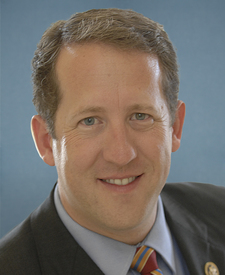

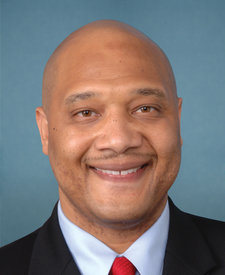
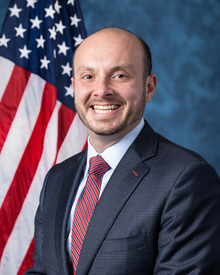
Legislative Progress
In CommitteeMr. Fitzpatrick (for himself, Mr. Quigley, Mr. Wilson of South …
Referred to the Committee on Foreign Affairs, and in addition …
Introduced in House
Stakeholder Effects
cui bono?How this legislation distributes effects. Mention counts reflect frequency, not effect magnitude.
Russian financial institutions, U.S. financial institutions
Bill Structure & Actor Mappings
Who is "The Secretary" in each section?
We use a combination of our own taxonomy and classification in addition to large language models to assess meaning and potential beneficiaries. High confidence means strong textual evidence. Always verify with the original bill text.
Learn more about our methodology