Old Drugs, New Cures Act
Summary
What This Bill Does
The Old Drugs, New Cures Act adds a priority research drug process to the Medicaid drug rebate statute. Within 90 days, HHS must create a process for manufacturers of covered outpatient drugs to request designation. Within 60 days after a request, HHS must designate the drug if at least 10 years have passed since approval or licensure, the manufacturer is studying a new indication under an investigational new drug or biologics process, the indication addresses a significant unmet medical need with no approved alternative drug for that indication, and the disease or condition has high prevalence among federal health program beneficiaries. High prevalence means at least 33 percent of claims in the targeted population were paid in the prior year by Medicaid or CHIP, Medicare Part D low-income subsidy coverage, the 340B drug discount program, or VA health care. The bill then inserts priority research drugs into exclusions from certain Medicaid and Medicare Part D rebate or line-extension treatment, reducing rebate exposure while the drug qualifies.
Who Benefits and How
Drug manufacturers repurposing older medicines benefit from a formal HHS designation and reduced rebate exposure for qualifying research drugs. Patients with unmet medical needs benefit if the incentive leads manufacturers to study older drugs for new indications with no approved alternative. Medicaid, CHIP, Medicare Part D low-income subsidy, 340B, and VA populations benefit if research targets diseases prevalent in federal health programs. Clinical researchers benefit from more manufacturer-sponsored studies of old drugs for new uses.
Who Bears the Burden and How
HHS must establish a request process within 90 days and make designation decisions within 60 days of receiving requests. Medicaid and Medicare rebate administrators must identify priority research drugs and apply the new exclusions. Federal health programs may collect lower rebates from designated drugs during qualifying periods. Manufacturers must document age, investigational status, unmet medical need, lack of alternatives, and federal-program prevalence.
Key Provisions
- Creates a priority research drug designation request process for covered outpatient drugs.
- Requires designation when older drugs are being studied for new indications addressing significant unmet needs with no approved alternative.
- Defines high prevalence by a 33 percent prior-year claims threshold across Medicaid, CHIP, Medicare Part D low-income subsidy, 340B, or VA programs.
- Excludes designated priority research drugs from specified Medicaid and Medicare rebate or line-extension treatment.
Evidence Chain:
This summary is generated from the full bill text using AI analysis. Expand "Detailed Analysis" below for identified beneficiaries/burden bearers with clause-level evidence links.
At a Glance
What This Bill Does
Creates a priority research drug designation for older covered outpatient drugs being investigated for new indications addressing significant unmet medical needs in high-prevalence federal health program populations, and excludes those drugs from specified Medicaid and Medicare rebate treatment while designated.
Key Policy Areas
Prescription Drugs, Medicaid, Medicare
Primary Purpose
Creates a priority research drug designation for older covered outpatient drugs being investigated for new indications addressing significant unmet medical needs in high-prevalence federal health program populations, and excludes those drugs from specified Medicaid and Medicare rebate treatment while designated.
Policy Domains
Resolution provisions
Identified Gains
- Drug manufacturers repurposing old medicines
- Patients with unmet medical needs
- Federal health program beneficiaries
- Clinical researchers
Identified Costs
- Department of Health and Human Services
- Medicaid rebate administrators
- Federal health programs
- Drug manufacturers requesting designation
Sponsors
Legislative Progress
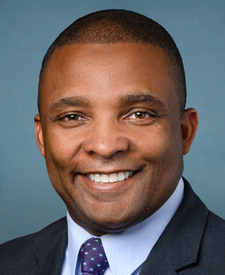
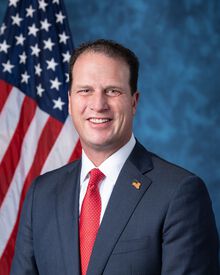
In CommitteeMr. Davis of North Carolina (for himself and Mr. Pfluger) …
Referred to the Committee on Energy and Commerce, and in …
Introduced in House
Stakeholder Effects
cui bono?How this legislation distributes effects. Mention counts reflect frequency, not effect magnitude.
Department of Health and Human Services, Federal health programs
Bill Structure & Actor Mappings
Who is "The Secretary" in each section?
We use a combination of our own taxonomy and classification in addition to large language models to assess meaning and potential beneficiaries. High confidence means strong textual evidence. Always verify with the original bill text.
Learn more about our methodology