Paying a Fair Share Act of 2025
Summary
What This Bill Does
The Paying a Fair Share Act creates a new Internal Revenue Code section 59B minimum-style tax for high-income noncorporate taxpayers. A taxpayer with adjusted gross income above $1 million, or $500,000 for married separate filers, would owe an additional fair-share tax phased in over the excess above that threshold. The tentative fair-share tax is 30 percent of adjusted gross income after a modified charitable contribution deduction. The final tax accounts for regular tax liability, alternative minimum tax, payroll taxes under self-employment, Medicare, wage, railroad retirement, and net investment income provisions, and most credits. The $1 million threshold is indexed for inflation after 2025 and rounded down to the next $10,000. Estates and trusts compute adjusted gross income under section 67(e), and the tax is not treated as chapter 1 tax for most credits or AMT. The House sense provision frames the bill as an interim floor on taxes for the wealthiest taxpayers and a deficit-reduction step.
Who Benefits and How
Federal taxpayers benefit because the fair-share tax would raise additional revenue from high-income taxpayers who otherwise pay below the 30 percent floor. Deficit reduction advocates benefit because the bill is designed to cut the deficit by increasing high-income tax liability. Taxpayers below the $1 million adjusted gross income threshold benefit from not being subject to the new tax. Charitable organizations benefit indirectly because the 30 percent calculation still allows a modified charitable contribution deduction for itemizers.
Who Bears the Burden and How
High-income taxpayers above $1 million of adjusted gross income must calculate and potentially pay an additional fair-share tax. Married individuals filing separately face the threshold at $500,000 rather than $1 million. Trusts and estates with high adjusted gross income must apply the special section 67(e) computation. IRS administrators must implement a new part VIII tax, inflation indexing, payroll-tax coordination, credit limits, and charitable deduction rules.
Key Provisions
- Creates a fair-share tax for noncorporate taxpayers with adjusted gross income above $1 million, or $500,000 for married separate filers.
- Establishes a 30 percent tentative tax floor after a modified charitable contribution deduction.
- Requires coordination with regular tax, AMT, payroll taxes, and most credits to determine the additional tax owed.
- Indexes the threshold after 2025 and applies the amendments to taxable years beginning after December 31, 2024.
Evidence Chain:
This summary is generated from the full bill text using AI analysis. Expand "Detailed Analysis" below for identified beneficiaries/burden bearers with clause-level evidence links.
At a Glance
What This Bill Does
Creates a new Internal Revenue Code fair-share tax requiring noncorporate taxpayers with adjusted gross income above $1 million, or $500,000 for married separate filers, to pay toward a 30 percent tax floor after payroll tax, regular tax, AMT, credits, and a modified charitable deduction calculation.
Key Policy Areas
Tax, High-Income Taxpayers, Deficit Reduction
Primary Purpose
Creates a new Internal Revenue Code fair-share tax requiring noncorporate taxpayers with adjusted gross income above $1 million, or $500,000 for married separate filers, to pay toward a 30 percent tax floor after payroll tax, regular tax, AMT, credits, and a modified charitable deduction calculation.
Policy Domains
Resolution provisions
Identified Gains
- Federal taxpayers
- Deficit reduction advocates
- Taxpayers below the million-dollar threshold
- Charitable organizations
Identified Costs
- High-income taxpayers
- Married separate filers
- High-income estates
- Internal Revenue Service
Sponsors

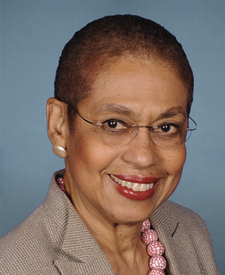

Legislative Progress
In CommitteeMr. Boyle of Pennsylvania (for himself, Mr. Khanna, and Ms. …
Referred to the House Committee on Ways and Means.
Introduced in House
Stakeholder Effects
cui bono?How this legislation distributes effects. Mention counts reflect frequency, not effect magnitude.
High-income taxpayers, Taxpayers
Positive-direction: Taxpayers
Negative-direction: High-income taxpayers
Bill Structure & Actor Mappings
Who is "The Secretary" in each section?
We use a combination of our own taxonomy and classification in addition to large language models to assess meaning and potential beneficiaries. High confidence means strong textual evidence. Always verify with the original bill text.
Learn more about our methodology