Bus Parity and Clarity Act
Summary
What This Bill Does
The Bus Parity and Clarity Act updates federal highway toll and HOV/HOT-lane access provisions for over-the-road buses. It replaces language tied to buses that 'serve the public' with buses in scheduled or charter service, defines charter service by reference to 49 CFR part 604, and requires public authorities operating value-pricing toll facilities to give over-the-road buses in scheduled or charter service access on the same rates, terms, and conditions as public transportation vehicles. The Federal Highway Administration must publish, within 180 days and annually thereafter, a unified public database showing the rates, terms, and conditions for each toll facility covered by the equal-access provisions.
Who Benefits and How
Over-the-road bus operators benefit from equal toll-facility treatment for scheduled and charter service. Charter bus companies benefit because the bill expressly includes charter service rather than limiting parity to public scheduled service. Bus passengers benefit if equal toll access lowers operating costs or improves route reliability for intercity, tour, commuter, or charter trips. Bus industry compliance staff benefit from FHWA's unified database of toll-facility rates, terms, and conditions.
Who Bears the Burden and How
Toll authorities must give scheduled and charter over-the-road buses access under the same rates, terms, and conditions as public transportation vehicles. FHWA must publish and annually update a public database of covered toll-facility access terms. Public authorities using value-pricing pilots lose flexibility to charge over-the-road buses differently from public transportation vehicles. Competing transportation providers may face bus operators receiving more favorable toll treatment.
Key Provisions
- Expands equal toll access language to over-the-road buses in scheduled or charter service.
- Requires value-pricing toll facilities to provide the same rates, terms, and conditions as public transportation vehicles.
- Defines charter service by reference to 49 CFR part 604.
- Directs FHWA to publish a unified toll-facility access database within 180 days and annually thereafter.
Evidence Chain:
This summary is generated from the full bill text using AI analysis. Expand "Detailed Analysis" below for identified beneficiaries/burden bearers with clause-level evidence links.
At a Glance
What This Bill Does
Requires over-the-road buses in scheduled or charter service to receive the same toll-facility rates, terms, and conditions as public transportation vehicles and directs FHWA to publish a unified annual toll-access database.
Key Policy Areas
Transportation, Tolls, Bus Service
Primary Purpose
Requires over-the-road buses in scheduled or charter service to receive the same toll-facility rates, terms, and conditions as public transportation vehicles and directs FHWA to publish a unified annual toll-access database.
Policy Domains
Resolution provisions
Identified Gains
- Over-the-road bus operators
- Charter bus companies
- Bus passengers
- Bus industry compliance staff
Identified Costs
- Toll authorities
- Federal Highway Administration
- Value-pricing public authorities
- Competing transportation providers
Sponsors




Legislative Progress
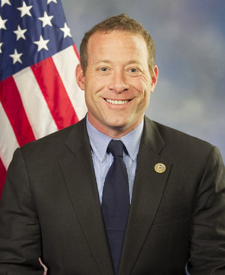
In CommitteeMr. Van Drew (for himself and Mr. Gottheimer) introduced the …
Referred to the Subcommittee on Highways and Transit.
Referred to the House Committee on Transportation and Infrastructure.
Introduced in House
Stakeholder Effects
cui bono?How this legislation distributes effects. Mention counts reflect frequency, not effect magnitude.
Charter bus companies, Over-the-road bus operators, Toll authorities
Positive-direction: Charter bus companies, Over-the-road bus operators
Negative-direction: Toll authorities
Bill Structure & Actor Mappings
Who is "The Secretary" in each section?
We use a combination of our own taxonomy and classification in addition to large language models to assess meaning and potential beneficiaries. High confidence means strong textual evidence. Always verify with the original bill text.
Learn more about our methodology