Accreditation for College Excellence Act of 2025
Summary
What This Bill Does
The Accreditation for College Excellence Act restricts what federally recognized higher education accrediting agencies may require from colleges and universities. Accrediting standards may not require, encourage, or coerce institutions to support or oppose specific partisan, political, ideological, social, cultural, or political viewpoints. Accreditors may not assess an institution's or program's commitment to an ideology, belief, or viewpoint. The bill also protects religious institutions by preventing accreditation standards from barring religious missions, religious control, statements of faith, or religious codes of conduct. It allows constitutional oaths and bars accreditation standards that require institutions to violate constitutional rights. A rule of construction preserves religious accreditors' ability to hold and enforce religious standards for institutions they choose to accredit.
Who Benefits and How
Religious colleges benefit because the bill protects religious missions, statements of faith, and codes of conduct from accreditation penalties. Conservative-leaning institutions benefit from limits on accreditor pressure around political or ideological commitments. Colleges seeking accreditation autonomy benefit from reduced accreditor authority over institutional viewpoints. Religious accreditors benefit because the rule of construction preserves their ability to enforce religious standards. Applicants and employees at religious colleges may face continued faith-statement or religious-code requirements when those institutions choose to impose them.
Who Bears the Burden and How
Higher education accrediting agencies must revise standards and review practices so they do not require viewpoint commitments, ideological assessments, or prohibited treatment rules. The Department of Education must evaluate recognized accreditors under the new restrictions. Civil rights advocacy organizations may lose accreditor leverage to press institutions on viewpoint, social, cultural, or protected-class commitments beyond federal law or court orders. Students seeking accreditor pressure on institutional ideology or social policy may have fewer accreditation-based tools.
Key Provisions
- Prohibits accrediting agencies from requiring institutions to support or oppose specific political, ideological, social, cultural, or partisan viewpoints.
- Bars accreditor assessment of an institution's or program's commitment to an ideology, belief, or viewpoint.
- Protects religious institutions' missions, statements of faith, and religious codes of conduct from accreditation penalties.
- Allows institutions to require constitutional oaths and bars accreditation standards requiring violations of constitutional rights.
- Preserves religious accreditors' ability to hold and enforce religious standards for institutions they choose to accredit.
Evidence Chain:
This summary is generated from the full bill text using AI analysis. Expand "Detailed Analysis" below for identified beneficiaries/burden bearers with clause-level evidence links.
At a Glance
What This Bill Does
Amends Higher Education Act accreditation recognition rules to bar accrediting agencies from requiring institutions to support, oppose, or commit to political, ideological, social, or cultural viewpoints; from assessing institutional commitment to ideology; from forcing disparate treatment by protected class except as required by law or court order; or from penalizing religious missions, statements of faith, religious codes of conduct, constitutional oaths, or constitutional rights, while preserving religious accreditors' ability to enforce religious standards.
Key Policy Areas
Higher Education, Accreditation, Religious Freedom, Civil Rights
Primary Purpose
Amends Higher Education Act accreditation recognition rules to bar accrediting agencies from requiring institutions to support, oppose, or commit to political, ideological, social, or cultural viewpoints; from assessing institutional commitment to ideology; from forcing disparate treatment by protected class except as required by law or court order; or from penalizing religious missions, statements of faith, religious codes of conduct, constitutional oaths, or constitutional rights, while preserving religious accreditors' ability to enforce religious standards.
Policy Domains
House resolution provisions
Identified Gains
- Religious colleges
- Conservative-leaning institutions
- Colleges seeking accreditation autonomy
- Religious accreditors
- Applicants at religious colleges
Identified Costs
- Higher education accrediting agencies
- Department of Education
- Civil rights advocacy organizations
- Students seeking accreditor pressure on institutional ideology
Sponsors
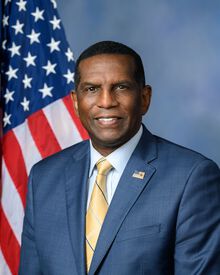
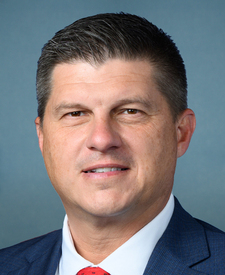
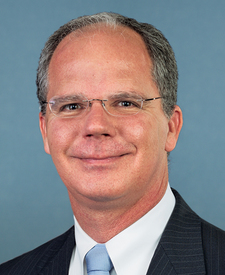
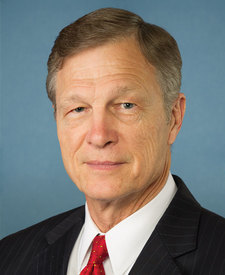
Legislative Progress
ReportedAdditional sponsors: Mr. Finstad, Mr. Steube, Mr. Fine, and Mr. …
Reported with an amendment, committed to the Committee of the …
Placed on the Union Calendar, Calendar No. 380.
Reported (Amended) by the Committee on Education and Workforce. H. …
Ordered to be Reported (Amended) by the Yeas and Nays: …
Committee Consideration and Mark-up Session Held
Mr. Owens (for himself, Ms. Tenney, Mr. Murphy, Mr. Grothman, …
Referred to the House Committee on Education and Workforce.
Introduced in House
Stakeholder Effects
cui bono?How this legislation distributes effects. Mention counts reflect frequency, not effect magnitude.
Colleges seeking accreditation autonomy, Conservative-leaning institutions, Department of Education
Positive-direction: Colleges seeking accreditation autonomy, Conservative-leaning institutions, Religious accreditors, Religious colleges
Negative-direction: Department of Education, Higher education accrediting agencies
Bill Structure & Actor Mappings
Who is "The Secretary" in each section?
- "secretary"
- → Secretary of Education
- "accreditors"
- → Higher education accrediting agencies
We use a combination of our own taxonomy and classification in addition to large language models to assess meaning and potential beneficiaries. High confidence means strong textual evidence. Always verify with the original bill text.
Learn more about our methodology