Free Speech Fairness Act
Summary
What This Bill Does
The Free Speech Fairness Act amends Internal Revenue Code section 501. A charity, church, school, or other 501(c)(3) organization would not lose tax-exempt status, donor deductibility, estate and gift tax benefits, or trigger section 4955 treatment solely because of a statement related to a candidate for public office if the statement is made in the ordinary course of the organization's regular and customary exempt-purpose activities and causes no more than de minimis incremental expenses. The bill is a narrow Johnson Amendment carveout: it does not create a general campaign-spending permission, but it protects low-cost candidate-related statements embedded in normal exempt-purpose speech.
Who Benefits and How
Churches and religious charities benefit because sermons, newsletters, or ordinary programming could include candidate-related statements without automatic tax-exemption loss if costs are de minimis. 501(c)(3) advocacy organizations benefit from a broader safe harbor for low-cost speech connected to their exempt purposes. Donors to covered nonprofits benefit because the bill protects related charitable deduction, estate tax, and gift tax treatment. Nonprofit speakers benefit from reduced uncertainty around incidental candidate-related remarks made during regular activities.
Who Bears the Burden and How
IRS exempt-organization staff must administer a new ordinary-course and de minimis expense standard. Campaign finance watchdogs bear reduced leverage over certain candidate-related statements by tax-exempt organizations. Opposing candidates may face more nonprofit commentary that does not count as prohibited intervention under section 501(c)(3). Nonprofit compliance officers must judge whether statements are ordinary-course and involve only de minimis incremental expenses.
Key Provisions
- Adds a special rule protecting certain candidate-related statements by 501(c)(3) organizations.
- Requires the statement to be made in the ordinary course of the organization's regular exempt-purpose activities.
- Limits the safe harbor to statements causing no more than de minimis incremental expenses.
- Protects tax-exempt status, charitable contribution treatment, estate and gift tax provisions, and section 4955 treatment for qualifying statements.
Evidence Chain:
This summary is generated from the full bill text using AI analysis. Expand "Detailed Analysis" below for identified beneficiaries/burden bearers with clause-level evidence links.
At a Glance
What This Bill Does
Creates a tax-law safe harbor allowing 501(c)(3) organizations to make political campaign-related statements in the ordinary course of their exempt-purpose activities when the statements cause no more than de minimis incremental expenses.
Key Policy Areas
Tax, Nonprofits, Campaign Speech
Primary Purpose
Creates a tax-law safe harbor allowing 501(c)(3) organizations to make political campaign-related statements in the ordinary course of their exempt-purpose activities when the statements cause no more than de minimis incremental expenses.
Policy Domains
Resolution provisions
Identified Gains
- Churches and religious charities
- 501(c)(3) advocacy organizations
- Charitable donors
- Nonprofit speakers
Identified Costs
- IRS exempt-organization staff
- Campaign finance watchdogs
- Opposing candidates
- Nonprofit compliance officers
Sponsors



Legislative Progress
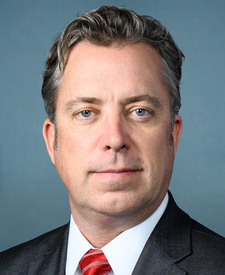
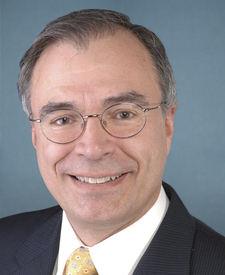
In CommitteeMr. Harris of North Carolina (for himself, Mr. Guest, Mr. …
Referred to the House Committee on Ways and Means.
Introduced in House
Stakeholder Effects
cui bono?How this legislation distributes effects. Mention counts reflect frequency, not effect magnitude.
501(c)(3) advocacy organizations, Campaign finance watchdogs, Churches and religious charities
Positive-direction: 501(c)(3) advocacy organizations, Churches and religious charities
Negative-direction: Campaign finance watchdogs
Bill Structure & Actor Mappings
Who is "The Secretary" in each section?
We use a combination of our own taxonomy and classification in addition to large language models to assess meaning and potential beneficiaries. High confidence means strong textual evidence. Always verify with the original bill text.
Learn more about our methodology