Homes for Young Adults Act of 2025
Summary
What This Bill Does
The Homes for Young Adults Act turns Section 8 tenant-based rental assistance into an entitlement for otherwise eligible households that consist of or include youth or young adults beginning in fiscal year 2027. HUD must fund both vouchers and administrative fees, encourage regional public housing agency consortia, designate an agency where no capable PHA exists, and make supportive services available, including housing navigation, job-skill training, higher education help, legal and tenant-protection services, assistance applying for other federal programs, and safety planning for vulnerable youth including migrant youth. The bill protects household choice over location and housing type, requires ombudsman mediation and appeals for landlord disputes, limits elective PHA screening to lease-related criteria with mitigating circumstances, requires HUD language-access infrastructure, and authorizes such sums as necessary.
Who Benefits and How
Homeless youth and young adults benefit because eligible households that include them would be entitled to Housing Choice Voucher assistance instead of waiting for scarce discretionary voucher slots. Youth aging out of foster care benefit from explicit coordination with the family self-sufficiency program and voluntary landlord participation incentives. Migrant youth and limited-English-proficient households benefit from privacy, status-neutral eligibility language, safety planning, translated vital documents, and a 24-hour interpretation line. Landlords willing to house young voucher holders benefit from a clearer federally supported rental stream and self-sufficiency coordination.
Who Bears the Burden and How
HUD must fund the entitlement, designate or coordinate PHAs, create language-access systems, regulate housing-quality enforcement, and include homeless youth in studies and reports. Public housing agencies must administer additional vouchers, provide service information, make ombudsmen and appeals available, and narrow screening practices. Federal taxpayers bear open-ended annual costs for vouchers, administrative fees, language services, and HUD implementation. Landlords using broad screening exclusions face constraints when PHAs limit criteria to lease-related factors and mitigating circumstances.
Key Provisions
- Creates a fiscal year 2027 entitlement to Section 8 tenant-based rental assistance for eligible households that include youth or young adults.
- Requires HUD and PHAs to offer support services such as housing navigation, job training, higher education help, legal services, and safety planning.
- Limits PHA applicant screening to lease-related criteria and requires notice plus informal hearing rights for adverse decisions.
- Directs HUD to build language-access infrastructure, including translated vital documents, a clearinghouse, and a 24-hour interpretation line.
Evidence Chain:
This summary is generated from the full bill text using AI analysis. Expand "Detailed Analysis" below for identified beneficiaries/burden bearers with clause-level evidence links.
At a Glance
What This Bill Does
Creates an entitlement to Housing Choice Voucher rental assistance for eligible households that include homeless or at-risk youth and young adults beginning in fiscal year 2027, with supportive services, ombudsman protections, screening limits, language access, and necessary appropriations.
Key Policy Areas
Housing, Youth Homelessness, Public Assistance
Primary Purpose
Creates an entitlement to Housing Choice Voucher rental assistance for eligible households that include homeless or at-risk youth and young adults beginning in fiscal year 2027, with supportive services, ombudsman protections, screening limits, language access, and necessary appropriations.
Policy Domains
Resolution provisions
Identified Gains
- Young adults experiencing homelessness
- Youth aging out of foster care
- Migrant young adults
- Limited-English-proficient voucher applicants
- Voucher landlords
Identified Costs
- Department of Housing and Urban Development
- Public housing agencies
- HUD language-access staff
- Federal taxpayers
- Landlords using broad screening exclusions
Sponsors

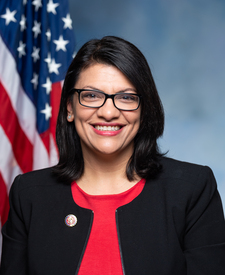
Legislative Progress
In CommitteeMrs. Watson Coleman (for herself and Ms. Tlaib) introduced the …
Referred to the House Committee on Financial Services.
Introduced in House
Stakeholder Effects
cui bono?How this legislation distributes effects. Mention counts reflect frequency, not effect magnitude.
Homeless young adults, Public housing agencies, Youth aging out of foster care
Positive-direction: Homeless young adults, Youth aging out of foster care
Negative-direction: Public housing agencies
Bill Structure & Actor Mappings
Who is "The Secretary" in each section?
We use a combination of our own taxonomy and classification in addition to large language models to assess meaning and potential beneficiaries. High confidence means strong textual evidence. Always verify with the original bill text.
Learn more about our methodology