Financial Exploitation Prevention Act of 2025
Summary
What This Bill Does
The Financial Exploitation Prevention Act of 2025 amends the Investment Company Act of 1940 so a registered open-end investment company or its transfer agent may elect to use special protections for direct-at-fund accounts. Participating companies must request trusted-contact information from non-institutional customers, keep that information, and disclose that the contact may be used to address suspected financial exploitation, confirm health or contact status, or identify a guardian, executor, trustee, or power-of-attorney holder. If the company or agent reasonably believes a redemption is requested by a specified adult and financial exploitation has occurred, is occurring, or has been attempted, it may delay payment for up to 15 business days, extend the delay by 10 more business days with notice and internal review, and receive protection from liability for good-faith actions.
Who Benefits and How
Older mutual fund investors and adults unable to protect their interests because of mental or physical impairment benefit because suspicious redemptions can be paused before money leaves the account. Trusted contact persons benefit because they can be notified when exploitation is suspected and can help identify guardians, trustees, executors, or power-of-attorney holders. Open-end investment companies and transfer agents benefit from a clear legal process and good-faith liability protection when delaying redemptions to stop suspected exploitation. The Securities and Exchange Commission benefits from a statutory study mandate to coordinate with banking, credit union, and State securities regulators on broader protections.
Who Bears the Burden and How
Open-end investment companies and transfer agents that elect the framework must collect trusted-contact information, retain records, provide written disclosures, notify contacts within two business days when extending delays, conduct internal reviews, segregate delayed redemption amounts, disclose the delay policy in prospectuses or statements of additional information, and notify the SEC of their election. Investors seeking immediate redemptions may wait up to 25 business days if the firm reasonably suspects exploitation. The SEC must consult with Federal and State regulators and report to Congress within one year on whether further rules are needed.
Key Provisions
- Allows open-end investment companies and transfer agents to elect the anti-exploitation redemption-delay framework by notifying the SEC.
- Requires trusted-contact requests, record retention, and written disclosures for direct-at-fund non-institutional accounts.
- Authorizes redemption delays of up to 15 business days when suspected exploitation involves a specified adult.
- Allows a 10-business-day extension if the firm gives notice, starts an internal review, and holds delayed amounts apart from other assets.
- Provides good-faith protection from liability for firms, transfer agents, and associated persons using the framework.
- Requires an SEC report, after consultation with seven other regulatory bodies, on additional protections against financial exploitation.
Evidence Chain:
This summary is generated from the full bill text using AI analysis. Expand "Detailed Analysis" below for identified beneficiaries/burden bearers with clause-level evidence links.
At a Glance
What This Bill Does
Authorizes registered open-end investment companies and transfer agents to delay suspicious redemptions from direct-at-fund accounts held by specified adults, creates trusted-contact and notice procedures, limits delay periods, provides good-faith legal protection, and requires an SEC-led study of related anti-exploitation tools.
Key Policy Areas
Financial Services, Consumer Protection, Elder Protection
Primary Purpose
Authorizes registered open-end investment companies and transfer agents to delay suspicious redemptions from direct-at-fund accounts held by specified adults, creates trusted-contact and notice procedures, limits delay periods, provides good-faith legal protection, and requires an SEC-led study of related anti-exploitation tools.
Policy Domains
House resolution provisions
Identified Gains
- Older investor consumers
- Adults with mental impairments
- Trusted-contact family members
- Open-end investment company compliance staff
- Transfer agent administrators
Identified Costs
- Open-end investment company compliance staff
- Transfer agent administrators
- Investor consumers seeking immediate redemptions
- Securities and Exchange Commission
- Associated-person compliance officers
Sponsors




Legislative Progress
ReportedAdditional sponsors: Mr. Huizenga, Mr. Vindman, Mr. Fields, Mr. Sessions, …
Reported with an amendment, committed to the Committee of the …
Placed on the Union Calendar, Calendar No. 313.
Reported (Amended) by the Committee on Financial Services. H. Rept. …
Committee Consideration and Mark-up Session Held
Ordered to be Reported (Amended) by the Yeas and Nays: …
Introduced in House
Referred to the House Committee on Financial Services.
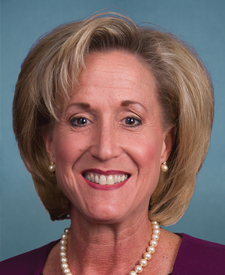
Mrs. Wagner (for herself, Mr. Gottheimer, Mr. Garbarino, Mr. Steil, …
Stakeholder Effects
cui bono?How this legislation distributes effects. Mention counts reflect frequency, not effect magnitude.
Open-end investment companies, Transfer agents
Open-end investment companies, Transfer agents face effects in multiple directions
Adults with mental impairments, Investors seeking immediate redemptions, Older mutual fund investors
Bill Structure & Actor Mappings
Who is "The Secretary" in each section?
- "commission"
- → Securities and Exchange Commission
- "transfer_agent"
- → Transfer agent servicing a direct-at-fund account
- "registered_company"
- → Registered open-end investment company
We use a combination of our own taxonomy and classification in addition to large language models to assess meaning and potential beneficiaries. High confidence means strong textual evidence. Always verify with the original bill text.
Learn more about our methodology