Youth Homelessness Guaranteed Income Pilot Program Act of 2025
Summary
What This Bill Does
The Youth Homelessness Guaranteed Income Pilot Program Act directs HHS to build a national database of homeless individuals, select up to 105,000 emancipated minors and 18-to-29-year-olds, and run a 36-month pilot. All participants can receive services such as housing navigation, financial coaching, workforce development, education support, landlord-tenant education, and McKinney-Vento assistance navigation. A randomized payment group receives monthly cash equal to the greater of $1,400 or adjusted fair market rent for a two-bedroom home in the participant's ZIP Code, with up to half allowed to take as many as the first 12 payments as a lump sum. The bill protects immigration-status and Social Security number data, bars using participation or payments against other benefit eligibility or public-charge determinations, excludes payments from gross income, creates misdemeanor penalties for improper disclosure or false access, requires an experimental study, and establishes a National Youth Economic Advisory Council.
Who Benefits and How
Homeless youth under age 30 benefit from housing navigation, financial coaching, workforce and education services, tenant-rights education, and McKinney-Vento assistance navigation. Payment-group participants benefit from 36 months of unrestricted cash equal to at least $1,400 per month or adjusted local two-bedroom fair market rent. Researchers and policymakers benefit from a randomized study on housing, economic, health, well-being, and social-cost effects of direct cash transfers. Youth homelessness service organizations benefit because the advisory council and database rules incorporate homeless-youth, civil-rights, LGBTQ, CDFI, and cash-transfer expertise.
Who Bears the Burden and How
HHS must create and verify a national homeless-individual database, protect sensitive data, select participants, administer services and payments, contract with an external research partner, and destroy the database after the council ends. Education, Agriculture, and HUD program administrators may have to require McKinney-Vento-funded recipients to identify homeless individuals and submit information for the database. Federal taxpayers bear the cost of monthly payments, wraparound services, advisory council compensation, external research, and administration. Recipients of federal homeless-assistance funds may face new identification and data-submission duties if agencies issue regulations.
Key Provisions
- Establishes a Youth Homelessness Guaranteed Income Pilot Program in HHS for up to 105,000 homeless emancipated minors and adults under age 30.
- Provides 36 months of services and randomizes participants into payment and nonpayment groups.
- Sets monthly payments at the greater of $1,400 or adjusted two-bedroom fair market rent, with limited lump-sum election.
- Protects pilot payments from income, benefit-eligibility, immigration public-charge, and certain federal public-benefit restrictions while creating study and advisory-council requirements.
Evidence Chain:
This summary is generated from the full bill text using AI analysis. Expand "Detailed Analysis" below for identified beneficiaries/burden bearers with clause-level evidence links.
At a Glance
What This Bill Does
Creates a 36-month Youth Homelessness Guaranteed Income Pilot Program for up to 105,000 homeless youth under age 30, with services for all participants and monthly cash payments equal to at least $1,400 or adjusted two-bedroom fair market rent for a randomized payment group.
Key Policy Areas
Housing, Public Assistance, Youth Homelessness
Primary Purpose
Creates a 36-month Youth Homelessness Guaranteed Income Pilot Program for up to 105,000 homeless youth under age 30, with services for all participants and monthly cash payments equal to at least $1,400 or adjusted two-bedroom fair market rent for a randomized payment group.
Policy Domains
Resolution provisions
Identified Gains
- Homeless youth under age 30
- Payment-group participants
- Researchers and policymakers
- Youth homelessness service organizations
Identified Costs
- Department of Health and Human Services
- Education and HUD administrators
- Federal taxpayers
- McKinney-Vento fund recipients
Sponsors
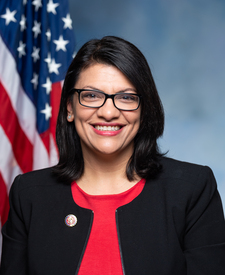

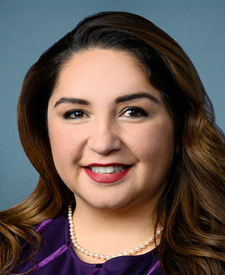
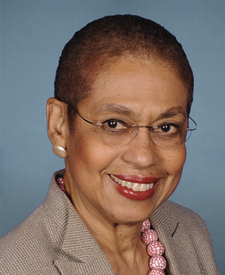
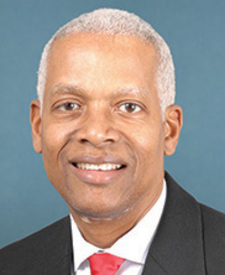
Legislative Progress
In CommitteeMs. Tlaib (for herself, Ms. Ansari, Ms. Schakowsky, Mr. Garcia …
Referred to the Committee on Financial Services, and in addition …
Introduced in House
Stakeholder Effects
cui bono?How this legislation distributes effects. Mention counts reflect frequency, not effect magnitude.
Bill Structure & Actor Mappings
Who is "The Secretary" in each section?
We use a combination of our own taxonomy and classification in addition to large language models to assess meaning and potential beneficiaries. High confidence means strong textual evidence. Always verify with the original bill text.
Learn more about our methodology