Black Vulture Relief Act
Summary
What This Bill Does
The Black Vulture Relief Act creates a targeted exception to Migratory Bird Treaty Act permitting for livestock protection. A livestock producer, or an employee actively engaged in livestock production, may capture, kill, disperse, or transport the carcass of a black vulture if the bird is causing, or the producer reasonably believes it will cause, death, injury, or destruction to livestock. The bill does not allow poison. Covered producers must submit annual reports to the appropriate U.S. Fish and Wildlife Service regional office by January 31 for black vultures taken during the prior 12 months, but reporting does not begin until the Director creates a form. The Director must make that form available on the Fish and Wildlife Service website within 180 days, and the form cannot be more onerous than similar Migratory Bird Treaty Act permitted-take forms.
Who Benefits and How
Livestock producers benefit because cattle ranchers, sheep farmers, goat producers, and other livestock operations can act immediately when black vultures threaten calves, lambs, or other animals instead of waiting for a Federal permit. Livestock producer employees benefit because the same authority applies while they are actively engaged in livestock production. Rural agricultural communities benefit indirectly if producers can reduce animal losses and veterinary costs from black vulture attacks. The U.S. Fish and Wildlife Service also receives standardized annual take reports rather than ad hoc producer activity.
Who Bears the Burden and How
Black vulture populations face increased mortality and dispersal risk because more producers can legally take birds without individual permits. Wildlife conservation organizations lose some of the protective effect of the current permit process and may need to monitor take levels through annual reports. The U.S. Fish and Wildlife Service must create the reporting form within 180 days, host it publicly, receive annual reports from covered producers, and route reports through regional offices. Livestock producers still carry a light reporting duty and may not use poison.
Key Provisions
- Authorizes livestock producers and active livestock-production employees to take black vultures threatening livestock without a Migratory Bird Treaty Act permit.
- Prohibits covered persons from using poison to take black vultures.
- Requires annual reports to the appropriate U.S. Fish and Wildlife Service regional office by January 31 for black vultures taken during the prior year.
- Requires the Fish and Wildlife Service Director to create a reporting form within 180 days and keep it no more onerous than comparable permitted-take forms.
Evidence Chain:
This summary is generated from the full bill text using AI analysis. Expand "Detailed Analysis" below for identified beneficiaries/burden bearers with clause-level evidence links.
At a Glance
What This Bill Does
Allows livestock producers and their employees to take black vultures that are harming or likely to harm livestock without first obtaining a Migratory Bird Treaty Act permit, while banning poison and requiring annual reports to the U.S. Fish and Wildlife Service.
Key Policy Areas
Agriculture, Wildlife Management, Environmental Regulation
Primary Purpose
Allows livestock producers and their employees to take black vultures that are harming or likely to harm livestock without first obtaining a Migratory Bird Treaty Act permit, while banning poison and requiring annual reports to the U.S. Fish and Wildlife Service.
Policy Domains
House resolution provisions
Identified Gains
- Livestock producers
- Livestock producer employees
- Rural agricultural communities
- U.S. Fish and Wildlife Service
Identified Costs
- Black vulture populations
- Wildlife conservation organizations
- U.S. Fish and Wildlife Service
- Livestock producers
Sponsors
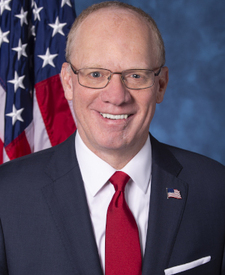
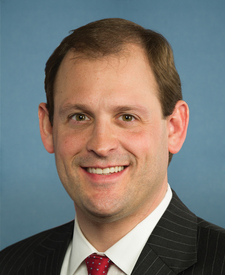

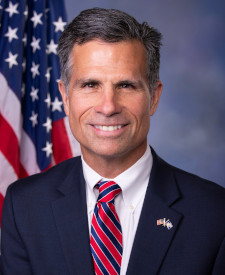

Legislative Progress
ReportedAdditional sponsors: Mr. Harrigan, Mr. Sessions, Mr. Carter of Georgia, …
Reported with an amendment, committed to the Committee of the …
Placed on the Union Calendar, Calendar No. 286.
Reported (Amended) by the Committee on Natural Resources. H. Rept. …
Committee Consideration and Mark-up Session Held
Ordered to be Reported in the Nature of a Substitute …
Introduced in House
Referred to the House Committee on Natural Resources.
Mr. Rose (for himself, Mr. Soto, Mr. Rouzer, Mr. Bost, …
Stakeholder Effects
cui bono?How this legislation distributes effects. Mention counts reflect frequency, not effect magnitude.
Livestock producer employees, Livestock producers, Rural agricultural communities
Bill Structure & Actor Mappings
Who is "The Secretary" in each section?
- "director"
- → Director of the United States Fish and Wildlife Service
- "covered_person"
- → Livestock producer or livestock-production employee
We use a combination of our own taxonomy and classification in addition to large language models to assess meaning and potential beneficiaries. High confidence means strong textual evidence. Always verify with the original bill text.
Learn more about our methodology