Manufactured Housing Tenant’s Bill of Rights Act of 2025
Summary
What This Bill Does
The Manufactured Housing Tenant's Bill of Rights Act ties federal mortgage support for manufactured home communities to concrete tenant protections. HUD-insured loans and Fannie Mae or Freddie Mac manufactured-community loans would be unavailable unless borrowers certify that their leases include minimum protections such as renewable one-year terms, advance rent-increase notices, a five-day rent grace period, a 15-day right to cure rent defaults, rights to sell homes in place, sublease or assign pad leases, post For Sale signs, and 60-day notice plus good-faith negotiation before community sale or closure. HUD and FHFA must publish covered-property lists, enforce penalties and minimum tenant payments, create a 16-member lending standards commission, and have FHFA develop a standard site lease for enterprise single-family mortgage eligibility.
Who Benefits and How
Manufactured home community tenants benefit because federally backed community financing would require lease protections against sudden rent increases, eviction, blocked home sales, and community sales or closures. Resident-owned community organizers benefit because the 60-day sale or closure notice and good-faith negotiation requirement gives tenants time to organize a purchase offer. Tenants injured by violations benefit from minimum payments such as six months of rent, refund of improper increases with interest plus 25 percent, or sale-related compensation. Manufactured-home buyers benefit if FHFA's standard site lease makes mortgages on homes in communities easier for the enterprises to purchase.
Who Bears the Burden and How
Manufactured home community borrowers using HUD, Fannie Mae, or Freddie Mac financing must rewrite leases, document compliance, and accept penalties for willful material violations. Fannie Mae and Freddie Mac must police covered loans, publish covered properties, compare existing tenant-protection programs, and stop offering noncompliant pricing incentives. HUD and FHFA must write regulations, run enforcement, support the standards commission, and develop or review lease standards without new appropriations. Community owners lose flexibility to terminate tenancies, impose large rent increases without extended notice, or block in-place home sales.
Key Provisions
- Requires federally backed manufactured home community borrowers to certify minimum consumer protections in leases within 180 days.
- Adds tenant rights covering renewable one-year leases, rent-increase notices, grace periods, cure rights, in-place home sales, lease assignments, For Sale signs, and sale or closure notice.
- Authorizes penalties, future-financing bans of at least two years, and minimum payments to injured tenants for material violations.
- Establishes a 16-member Manufactured Home Community Lending Standards Commission and directs FHFA to develop a standard site lease.
Evidence Chain:
This summary is generated from the full bill text using AI analysis. Expand "Detailed Analysis" below for identified beneficiaries/burden bearers with clause-level evidence links.
At a Glance
What This Bill Does
Conditions federally backed manufactured-home-community financing on lease protections for residents, including renewable one-year terms, rent-increase notice, cure rights, sale rights, penalties for violations, and a federal standards commission.
Key Policy Areas
Housing, Consumer Protection, Manufactured Housing
Primary Purpose
Conditions federally backed manufactured-home-community financing on lease protections for residents, including renewable one-year terms, rent-increase notice, cure rights, sale rights, penalties for violations, and a federal standards commission.
Policy Domains
Resolution provisions
Identified Gains
- Manufactured home community tenants
- Resident-owned community organizers
- Tenants injured by lease violations
- Manufactured-home buyers
Identified Costs
- Manufactured home community borrowers
- Fannie Mae and Freddie Mac
- HUD and FHFA
- Community owners
Sponsors

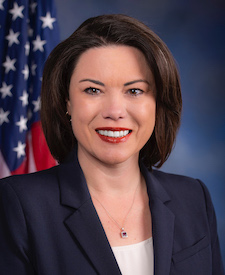


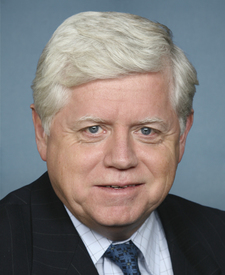
Legislative Progress
In CommitteeMs. Pettersen (for herself, Ms. Bonamici, Mr. Larson of Connecticut, …
Referred to the House Committee on Financial Services.
Introduced in House
Stakeholder Effects
cui bono?How this legislation distributes effects. Mention counts reflect frequency, not effect magnitude.
Fannie Mae and Freddie Mac, Manufactured home community borrowers, Manufactured home community tenants
Positive-direction: Manufactured home community tenants, Resident-owned community organizers
Negative-direction: Fannie Mae and Freddie Mac, Manufactured home community borrowers
Bill Structure & Actor Mappings
Who is "The Secretary" in each section?
We use a combination of our own taxonomy and classification in addition to large language models to assess meaning and potential beneficiaries. High confidence means strong textual evidence. Always verify with the original bill text.
Learn more about our methodology