Mining Schools Act of 2025
Summary
What This Bill Does
The Mining Schools Act establishes technology grants to strengthen domestic mining education. DOE, in consultation with Interior through the U.S. Geological Survey, must create a grant program for mining schools to recruit and educate the next generation of mining engineers and professionals for U.S. energy and mineral needs. Eligible mining schools include accredited mining, metallurgical, geological, or mineral engineering programs at higher education institutions, including Tribal Colleges and Universities, and certain geology or engineering programs at four-year public institutions in states with at least $2 billion in 2021 GDP from mining and support activities. DOE may award no more than 10 grants per year, must seek geographic diversity and region-specific geology specialties, and must consider recommendations from a six-member Mining Professional Development Advisory Board made up of three mining industry professionals and three mining education experts. Grant funds can support student recruitment and programs in critical minerals, rare earths, extraction and refining, reclamation, reprocessing abandoned mine resources, reduced-impact mining, acid mine drainage, reforestation, unconventional deposits, extreme mining conditions, mineral economics, supply chains, and water-efficient practices. DOE must justify any rejection of Board recommendations and publish the statement within 15 days after awards. No additional funds are authorized.
Who Benefits and How
Mining schools benefit from competitive grants to recruit students and strengthen mining, mineral, geology, and engineering programs. Tribal Colleges and Universities with mining programs benefit from explicit eligibility for the grant program. Mining engineering students benefit from better-supported programs tied to critical minerals, rare earths, reclamation, and domestic supply chains. Domestic mining employers benefit if the program expands the pipeline of qualified mining professionals. Mining education experts benefit from advisory board roles in evaluating applications and grant amounts.
Who Bears the Burden and How
DOE grant administrators must create the program, run competitions, justify rejections of Board recommendations, and publish award statements. Mining Professional Development Advisory Board members must evaluate applications, recommend awards, and oversee grant use. Grant-seeking universities must design qualifying programs and comply with oversight of recruitment and educational uses. Federal appropriators must fund activities from existing or future appropriations because no additional funds are authorized.
Key Provisions
- Establishes a DOE competitive grant program to strengthen domestic mining education.
- Limits awards to no more than 10 mining school grants each year and directs geographic diversity.
- Creates a six-member Mining Professional Development Advisory Board with industry and academic expertise.
- Authorizes grant uses for student recruitment, critical minerals, rare earths, extraction, refining, reclamation, recycling, environmental mitigation, and mineral economics.
- Requires DOE to explain and publish any rejection of advisory board recommendations and provides no additional authorized funds.
Evidence Chain:
This summary is generated from the full bill text using AI analysis. Expand "Detailed Analysis" below for identified beneficiaries/burden bearers with clause-level evidence links.
At a Glance
What This Bill Does
Creates a Department of Energy competitive grant program awarding up to 10 annual grants to mining schools, including Tribal Colleges and mining-state public universities, to recruit and educate mining engineers and professionals, guided by a six-member Mining Professional Development Advisory Board, with no additional funds authorized.
Key Policy Areas
Mining, Higher Education, Workforce
Primary Purpose
Creates a Department of Energy competitive grant program awarding up to 10 annual grants to mining schools, including Tribal Colleges and mining-state public universities, to recruit and educate mining engineers and professionals, guided by a six-member Mining Professional Development Advisory Board, with no additional funds authorized.
Policy Domains
Resolution provisions
Identified Gains
- Mining schools
- Tribal Colleges and Universities
- Mining engineering students
- Domestic mining employers
- Mining education experts
Identified Costs
- DOE grant administrators
- Mining advisory board members
- Grant-seeking universities
- Federal appropriators
Sponsors
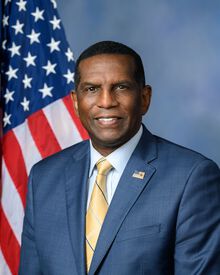

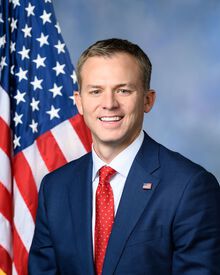


Legislative Progress
In CommitteeMr. Owens (for himself, Mr. Costa, Ms. Maloy, Ms. Pettersen, …
Referred to the House Committee on Natural Resources.
Introduced in House
Stakeholder Effects
cui bono?How this legislation distributes effects. Mention counts reflect frequency, not effect magnitude.
DOE grant administrators, Tribal Colleges and Universities
Positive-direction: Tribal Colleges and Universities
Negative-direction: DOE grant administrators
Domestic mining employers, Mining advisory board members
Positive-direction: Domestic mining employers
Negative-direction: Mining advisory board members
Bill Structure & Actor Mappings
Who is "The Secretary" in each section?
We use a combination of our own taxonomy and classification in addition to large language models to assess meaning and potential beneficiaries. High confidence means strong textual evidence. Always verify with the original bill text.
Learn more about our methodology