Foster Care Tax Credit Act
Summary
What This Bill Does
The Foster Care Tax Credit Act creates a new section 36C credit. Eligible taxpayers receive $850 when a qualifying foster child under age 17 who is a U.S. citizen, national, or resident is placed with them for at least one month and they do not claim the child tax credit for that child. A child who stays more than 15 consecutive days in a month counts for the full month. The credit phases out above modified adjusted gross income thresholds of $250,000 for joint filers, $150,000 for unmarried individuals, and $125,000 for married separate filers, with reduction over $17,000. Fraudulent claims trigger a 10-year disallowance period, reckless or intentional disregard triggers two years, and taxpayers denied through deficiency procedures must prove eligibility in later years. New section 6039K requires authorized placement agencies and courts to file returns with foster parent names, addresses, TINs, child names, and placement dates, and to furnish statements by January 31. The bill adds preparer due diligence, lets taxpayers elect not to use child tax credit treatment for a dependent, applies after 2024, directs HHS and Treasury to identify tax provisions useful to foster families, increases outreach to state and Tribal foster care agencies and foster families, and requires a one-year HHS report on costs, burdens, and documentation challenges for emergency and short-term placements.
Who Benefits and How
Foster parents benefit from an $850 tax credit when a qualifying foster child is placed for at least one month and the child tax credit is not claimed. Foster families with short placements benefit because more than 15 consecutive days in a month counts as a full month. State foster care agencies benefit from coordinated HHS and Treasury outreach on tax provisions useful to foster families. Tribal foster care agencies benefit from the same targeted outreach and educational materials. Congressional child welfare committees benefit from a study of emergency and short-term foster placement costs and verification challenges.
Who Bears the Burden and How
Authorized placement agencies must file information returns and furnish January 31 placement statements to foster parents. Courts placing foster children must report foster parent identity, child identity, and placement dates to Treasury. IRS tax administration staff must implement section 36C, phaseouts, disallowance periods, due diligence, and new information reporting. Tax preparers face due diligence penalties if they fail to satisfy requirements for the new foster care credit. Federal taxpayers bear the cost of refundable-style credit payments and outreach funding.
Key Provisions
- Creates an $850 foster care tax credit for eligible taxpayers with a qualifying foster child placed at least one month.
- Limits the credit through income phaseouts beginning at $250,000 joint, $150,000 unmarried, and $125,000 married filing separately.
- Bars taxpayers from the credit for 10 years after fraudulent claims and two years after reckless or intentional disregard.
- Requires placement agencies and courts to file information returns and furnish foster parent statements by January 31.
- Authorizes HHS and Treasury outreach to state and Tribal foster care agencies and foster families and requires a one-year emergency placement study.
Evidence Chain:
This summary is generated from the full bill text using AI analysis. Expand "Detailed Analysis" below for identified beneficiaries/burden bearers with clause-level evidence links.
At a Glance
What This Bill Does
Creates an $850 foster care tax credit for taxpayers with qualifying foster children placed at least one month, adds income phaseouts and fraud disallowance periods, requires placement agencies and courts to file information returns and January 31 statements, lets taxpayers elect out of child tax credit treatment, and directs HHS and Treasury outreach and a study on emergency placements.
Key Policy Areas
Tax, Foster Care, Child Welfare
Primary Purpose
Creates an $850 foster care tax credit for taxpayers with qualifying foster children placed at least one month, adds income phaseouts and fraud disallowance periods, requires placement agencies and courts to file information returns and January 31 statements, lets taxpayers elect out of child tax credit treatment, and directs HHS and Treasury outreach and a study on emergency placements.
Policy Domains
Resolution provisions
Identified Gains
- Foster parents
- Foster families with short placements
- State foster care agencies
- Tribal foster care agencies
- Congressional child welfare committees
Identified Costs
- Authorized placement agencies
- Courts placing foster children
- IRS tax administration staff
- Tax preparers
- Federal taxpayers
Sponsors

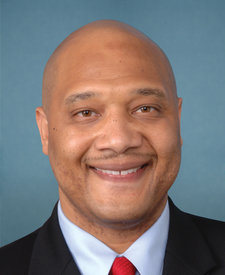



Legislative Progress
In CommitteeMrs. Houchin (for herself and Ms. Johnson of Texas) introduced …
Referred to the Committee on Ways and Means, and in …
Introduced in House
Stakeholder Effects
cui bono?How this legislation distributes effects. Mention counts reflect frequency, not effect magnitude.
Courts placing foster children, IRS tax administration staff, State foster care agencies
Authorized placement agencies, Foster families with short placements
Positive-direction: Foster families with short placements
Negative-direction: Authorized placement agencies
Bill Structure & Actor Mappings
Who is "The Secretary" in each section?
We use a combination of our own taxonomy and classification in addition to large language models to assess meaning and potential beneficiaries. High confidence means strong textual evidence. Always verify with the original bill text.
Learn more about our methodology