Veterans Mental Health and Addiction Therapy Quality of Care Act
Summary
What This Bill Does
The Veterans Mental Health and Addiction Therapy Quality of Care Act requires an independent comparison of VA and non-VA mental health and addiction treatment. Within 90 days, the VA Secretary must seek an agreement with an objective outside organization to study quality differences across telehealth, inpatient, intensive outpatient, outpatient, and residential treatment modalities. The organization must be able to complete the study within 18 months after the agreement. The report goes to the House and Senate Veterans' Affairs Committees and must be published publicly. Required assessment topics include symptom improvement and suicide risk using evidence-based scales such as the Columbia-Suicide Severity Rating Scale, use of evidence-based practices including American Society of Addiction Medicine criteria, coordination gaps and record sharing between VA and non-VA providers, veteran-centric care and satisfaction, provider competency with military and veteran needs, integrated care for co-occurring conditions, continuous outcome monitoring for up to three years after treatment, and average time from outreach to initial service.
Who Benefits and How
Veterans receiving mental health treatment benefit because the study compares outcomes, access time, suicide risk, and veteran-centric care across VA and community providers. Veterans receiving addiction therapy benefit from review of evidence-based practices and American Society of Addiction Medicine criteria. Congressional veterans committees benefit from public evidence on whether VA or non-VA providers deliver better quality in specific modalities. VA care coordination staff benefit from findings on patient record sharing and coordination gaps.
Who Bears the Burden and How
VA mental health program staff must arrange the independent study and provide data needed for outcome and access comparisons. Non-VA community care providers may face scrutiny of evidence-based practices, coordination, and veteran-specific competency. Independent research organization staff must complete a complex quality study within 18 months. VA leadership must respond to public findings on treatment quality, suicide risk monitoring, and time to initiate services.
Key Provisions
- Requires VA to seek an agreement within 90 days with an independent outside organization.
- Requires the organization to study quality differences between VA and non-VA mental health and addiction therapy care.
- Requires assessment of outcomes, suicide risk, evidence-based practices, coordination gaps, veteran-centric care, co-occurring conditions, monitoring, and wait times.
- Requires completion within 18 months after the agreement and public reporting to the veterans committees.
Evidence Chain:
This summary is generated from the full bill text using AI analysis. Expand "Detailed Analysis" below for identified beneficiaries/burden bearers with clause-level evidence links.
At a Glance
What This Bill Does
Requires VA to seek an agreement within 90 days with an independent outside organization to study quality differences between VA and non-VA mental health and addiction therapy care across treatment modalities, with final results due within 18 months and published publicly.
Key Policy Areas
Veterans, Mental Health, Health Care Quality
Primary Purpose
Requires VA to seek an agreement within 90 days with an independent outside organization to study quality differences between VA and non-VA mental health and addiction therapy care across treatment modalities, with final results due within 18 months and published publicly.
Policy Domains
Resolution provisions
Identified Gains
- Veterans receiving mental health treatment
- Veterans receiving addiction therapy
- Congressional veterans committees
- VA care coordination staff
Identified Costs
- VA mental health program staff
- Non-VA community care providers
- Independent research organization staff
- VA leadership
Sponsors
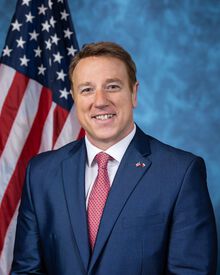
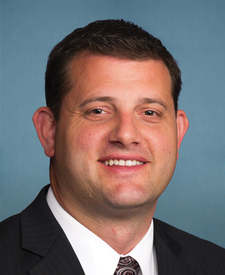



Legislative Progress
In CommitteeSubcommittee Hearings Held
Referred to the Subcommittee on Health.
Mr. Fallon (for himself, Mr. Bishop, Mr. Wilson of South …
Referred to the House Committee on Veterans' Affairs.
Introduced in House
Stakeholder Effects
cui bono?How this legislation distributes effects. Mention counts reflect frequency, not effect magnitude.
Veterans receiving addiction therapy, Veterans receiving mental health treatment
Congressional veterans committees, VA mental health program staff
Bill Structure & Actor Mappings
Who is "The Secretary" in each section?
We use a combination of our own taxonomy and classification in addition to large language models to assess meaning and potential beneficiaries. High confidence means strong textual evidence. Always verify with the original bill text.
Learn more about our methodology