To amend part E of title IV of the Social Security Act to require the Secretary of Health and Human Services to identify obstacles to identifying and responding to reports of children missing from foster care and other vulnerable foster youth, to provide technical assistance relating to the removal of such obstacles, and for other purposes.
Analysis under review: This bill has generated analysis that may be too generic or incomplete. Clause-level evidence remains available below.
Summary
What This Bill Does
This bill strengthens protections for children in foster care who run away or go missing, with a particular focus on preventing sex trafficking. It requires the Secretary of Health and Human Services to evaluate state protocols for responding to missing foster children, provide technical assistance to improve those protocols, and help states better screen children who return to foster care for signs of trafficking.
Who Benefits and How
Foster children and vulnerable youth benefit from improved screening, tracking, and recovery protocols when they go missing. State and tribal child welfare agencies receive technical assistance, educational materials, and best practices guidance from HHS. Anti-trafficking organizations and child welfare advocates see their priorities advanced through mandated federal evaluation and intervention protocols.
Who Bears the Burden and How
The Department of Health and Human Services (specifically the Administration for Children and Families) must conduct evaluations, develop technical assistance programs, and submit reports to Congress. State and tribal child welfare agencies may face increased compliance expectations and reporting requirements to meet improved protocols. Federal taxpayers fund the appropriations authorized through fiscal year 2027.
Key Provisions
- Requires HHS to evaluate existing state protocols for responding to missing foster children and identify obstacles to compliance
- Mandates technical assistance to states and tribes for screening children returning from runaway episodes for sex trafficking risk
- Directs the GAO to study characteristics of foster youth runaways and recommend best practices
- Authorizes appropriations for fiscal years 2024-2027
Evidence Chain:
This summary is generated from the full bill text using AI analysis. Expand "Detailed Analysis" below for identified beneficiaries/burden bearers.
At a Glance
What This Bill Does
To require the Secretary of Health and Human Services to identify obstacles to locating and responding to reports of children missing from foster care and provide technical assistance to states and tribal organizations to protect vulnerable foster youth from sex trafficking.
Key Policy Areas
Child Welfare, Foster Care, Human Trafficking Prevention, Social Services
Primary Purpose
To require the Secretary of Health and Human Services to identify obstacles to locating and responding to reports of children missing from foster care and provide technical assistance to states and tribal organizations to protect vulnerable foster youth from sex trafficking.
Policy Domains
Entire Bill - Foster Care Missing Children Protections
Identified Gains
Contextual inference, no direct clause citation- Foster children at risk of sex trafficking
- State child welfare agencies
- Tribal organizations
- Anti-trafficking advocacy groups
Contextual inference, no direct clause citation
Identified Costs
Contextual inference, no direct clause citation- Department of Health and Human Services
- Federal taxpayers
- State child welfare agencies (compliance)
Contextual inference, no direct clause citation
Sponsors

Legislative Progress
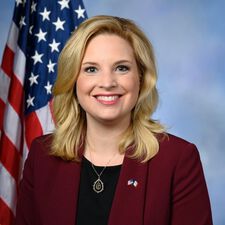
ReportedAdditional sponsors: Ms. Mace, Mr. Lamborn, Mr. Casten, Mr. Doggett, …
Reported with an amendment, committed to the Committee of the …
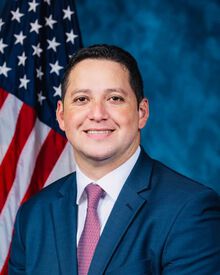
Mr. Tony Gonzales of Texas (for himself, Ms. Brown, Mrs. …
Stakeholder Effects
cui bono?How this legislation distributes effects. Mention counts reflect frequency, not effect magnitude.
Department of Health and Human Services, Department of Health and Human Services (Office on Trafficking in Persons), Government Accountability Office
Positive-direction: Department of Health and Human Services
Negative-direction: Department of Health and Human Services (Office on Trafficking in Persons), Government Accountability Office
Foster care system administrators, State child welfare agencies, State child welfare agencies (as grant recipients)
Foster children at risk of going missing, Foster children returning after running away, Foster youth at risk of running away
Bill Structure & Actor Mappings
Who is "The Secretary" in each section?
- "the_secretary"
- → Secretary of Health and Human Services
- "comptroller_general"
- → Comptroller General of the United States (GAO)
We use a combination of our own taxonomy and classification in addition to large language models to assess meaning and potential beneficiaries. High confidence means strong textual evidence. Always verify with the original bill text.
Learn more about our methodology