To amend part E of title IV of the Social Security Act to require the Secretary of Health and Human Services to identify obstacles to identifying and responding to reports of children missing from foster care and other vulnerable foster youth, to provide technical assistance relating to the removal of such obstacles, and for other purposes.
Sponsors

Legislative Progress
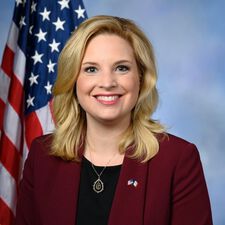
ReportedAdditional sponsors: Ms. Mace, Mr. Lamborn, Mr. Casten, Mr. Doggett, …
Reported with an amendment, committed to the Committee of the …
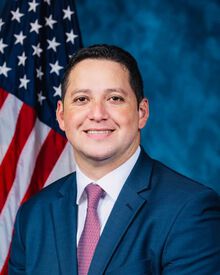
Mr. Tony Gonzales of Texas (for himself, Ms. Brown, Mrs. …
Summary
What This Bill Does
Directs HHS to evaluate state protocols for identifying and responding to missing foster children and vulnerable foster youth. Requires analysis of compliance, effectiveness, and best practices.
Who Benefits and How
Missing foster children may be found faster through improved protocols. States receive best practices guidance. Tribal organizations get included in evaluation.
Who Bears the Burden and How
HHS must conduct comprehensive evaluation. States must provide compliance information. Tribal organizations face similar reporting requirements.
Key Provisions
- Requires HHS evaluation of missing foster child protocols
- Mandates analysis of state compliance and effectiveness
- Includes Indian tribes and tribal organizations in evaluation
Evidence Chain:
This summary is derived from the structured analysis below. See "Detailed Analysis" for per-title beneficiaries/burden bearers with clause-level evidence links.
Primary Purpose
Requires HHS evaluation of state protocols for missing foster children and vulnerable foster youth
Policy Domains
Legislative Strategy
"Improve missing foster child response through evaluation"
Bill Structure & Actor Mappings
Who is "The Secretary" in each section?
- "secretary"
- → Secretary of HHS
We use a combination of our own taxonomy and classification in addition to large language models to assess meaning and potential beneficiaries. High confidence means strong textual evidence. Always verify with the original bill text.
Learn more about our methodology