To amend the Taiwan Allies International Protection and Enhancement Initiative (TAIPEI) Act of 2019 to provide that the United States, as a member of any international organizations, should oppose any attempts by the People’s Republic of China to resolve Taiwan’s status by distorting the decisions, language, policies, or procedures of the organization, and for other purposes.
Sponsors




Legislative Progress
Passed HouseReceived; read twice and referred to the Committee on Foreign …
Passed House (inferred from eh version)
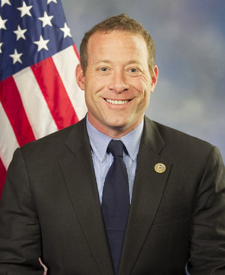
Mr. Connolly (for himself, Mrs. Kim, Mr. Cohen, Mr. Fitzpatrick, …
Summary
What This Bill Does
Amends TAIPEI Act to clarify that UN General Assembly Resolution 2758 only addressed PRC representation at the UN, not Taiwan's status, sovereignty, or relationship with PRC. Opposes changing Taiwan's status without consent of its people.
Who Benefits and How
Taiwan gains U.S. affirmation that UNGA 2758 did not determine its status. Counters PRC narrative on Taiwan.
Who Bears the Burden and How
U.S. must oppose PRC attempts to distort resolution in international forums.
Key Provisions
- UNGA 2758 established PRC as China's UN representative only
- Resolution did not address Taiwan representation or sovereignty
- U.S. opposes changing Taiwan status without people's consent
- Counters PRC interpretation in international organizations
Evidence Chain:
This summary is derived from the structured analysis below. See "Detailed Analysis" for per-title beneficiaries/burden bearers with clause-level evidence links.
Primary Purpose
Clarifies UN Resolution 2758 did not address Taiwan status or sovereignty
Policy Domains
Legislative Strategy
"Counter PRC narrative on Taiwan at international level"
Bill Structure & Actor Mappings
Who is "The Secretary" in each section?
We use a combination of our own taxonomy and classification in addition to large language models to assess meaning and potential beneficiaries. High confidence means strong textual evidence. Always verify with the original bill text.
Learn more about our methodology