To establish an Office for Indigenous Affairs, and for other purposes.
Analysis under review: This bill has generated analysis that may be too generic or incomplete. Clause-level evidence remains available below.
Summary
This bill creates a new Office for Indigenous Affairs in the State Department, led by a Coordinator for Indigenous Affairs with the rank of Ambassador at Large. The Coordinator would develop a 5-year strategy for engaging with Indigenous peoples in 10-20 countries, coordinate federal programs across State, USAID, Interior, MCC, and DFC, and serve as the principal advisor to the Secretary of State on international Indigenous issues. The bill also establishes an Advisory Commission of 18 members including representatives from the National Congress of American Indians, Alaska Federation of Natives, and Office of Hawaiian Affairs. Foreign Service officers would receive training on Indigenous communities near their overseas posts. The bill authorizes such sums as may be necessary.
Evidence Chain:
This summary is generated from the full bill text using AI analysis. Expand "Detailed Analysis" below for identified beneficiaries/burden bearers.
At a Glance
What This Bill Does
Establishes a permanent Office for Indigenous Affairs within the State Department, headed by a Senate-confirmed Coordinator with Ambassador rank, to coordinate US diplomacy and engagement with Indigenous Peoples worldwide, including a 5-year international strategy, an Advisory Commission, and Foreign Service training requirements.
Who Benefits
- International Indigenous communities
- Domestic Indigenous peoples (enhanced engagement)
- State Department (new diplomatic tools)
Who Bears Costs
- State Department (staffing and coordination costs)
- Foreign Service officers (additional training requirements)
Key Policy Areas
{'domain': 'Foreign Affairs', 'evidence': 'Section 4 establishes Office for Indigenous Affairs within the State Department'}, {'domain': 'Indigenous Affairs', 'evidence': 'Entire bill focuses on promoting diplomacy and engagement with international Indigenous peoples'}
Primary Purpose
Establishes a permanent Office for Indigenous Affairs within the State Department, headed by a Senate-confirmed Coordinator with Ambassador rank, to coordinate US diplomacy and engagement with Indigenous Peoples worldwide, including a 5-year international strategy, an Advisory Commission, and Foreign Service training requirements.
Policy Domains
Legislative Strategy
"Institutionalizing Indigenous diplomacy within the State Department through a permanent office, Senate-confirmed leadership, and mandated strategies and reporting"
Sponsors
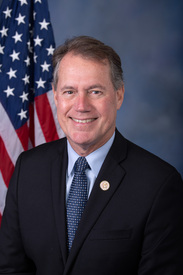
Ed Case
D-HI | Primary Sponsor
Legislative Progress
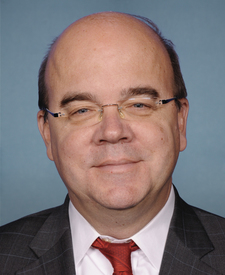
IntroducedMr. Case (for himself and Mr. McGovern) introduced the following …
Stakeholder Effects
cui bono?How this legislation distributes effects. Mention counts reflect frequency, not effect magnitude.
Alaska Federation of Natives, American Indians, Native Hawaiians, Alaska Natives, and Pacific Islanders, Domestic Indigenous peoples (American Indians, Native Hawaiians, Alaska Natives)
Congressional oversight committees, Department of State, Foreign Service officers
Positive-direction: Congressional oversight committees
Negative-direction: Department of State, Foreign Service officers, USAID
Indigenous rights academics and NGO representatives, NGOs working with Indigenous peoples
Bill Structure & Actor Mappings
Who is "The Secretary" in each section?
- "the_secretary"
- → Secretary of State
- "the_coordinator"
- → Coordinator for Indigenous Affairs (Ambassador rank)
- "advisory_commission"
- → Advisory Commission on Indigenous Peoples
Key Definitions
Terms defined in this bill
Indians, Native Hawaiians, Alaska Natives, and Pacific Islanders as defined by respective federal statutes
Distinct social and cultural groups designated by the Coordinator, including domestic and international Indigenous peoples
Peoples indigenous to foreign countries or territories
We use a combination of our own taxonomy and classification in addition to large language models to assess meaning and potential beneficiaries. High confidence means strong textual evidence. Always verify with the original bill text.
Learn more about our methodology