UNRWA Funding Emergency Restoration Act of 2025
Summary
What This Bill Does
The UNRWA Funding Emergency Restoration Act restores U.S. support for the United Nations Relief and Works Agency. Congress states that preventing further erosion of civilian conditions in Gaza is a strategic and moral U.S. interest, supports UNRWA's role in mitigating famine and disease, urges Israel to provide evidence for UNRWA neutrality investigations, urges the President to restore funding in light of UN and UNRWA accountability commitments, and supports funding for fiscal year 2025 and beyond. Operatively, the bill repeals title III of division G of Public Law 118-47 and section 308 of Public Law 118-50, directs the Secretary of State to resume UNRWA funding under current State Department authorities and the Secretary's lifesaving humanitarian aid waiver, rescinds the February 4, 2025 executive order withdrawing from and ending funding to certain United Nations organizations, and requires State to report within 90 days and quarterly through December 31, 2028 on UNRWA implementation of the Independent Review Group recommendations led by Catherine Colonna.
Who Benefits and How
Palestinian refugees receiving UNRWA services benefit because U.S. funding would resume for humanitarian and human development services. Civilians in Gaza benefit from restored support for aid intended to mitigate famine, disease, and deteriorating civilian conditions. UNRWA program administrators benefit from renewed U.S. funding under current State Department authorities. Humanitarian aid organizations benefit if U.S. policy again supports UNRWA coordination in Gaza, Jordan, Lebanon, Syria, and the West Bank.
Who Bears the Burden and How
State Department foreign assistance staff must resume funding and produce quarterly reports through December 31, 2028. The President must rescind the February 4, 2025 executive order ending support to certain United Nations organizations. UNRWA neutrality compliance staff must continue implementing the Catherine Colonna independent review recommendations. Opponents of UNRWA funding lose statutory funding bars enacted in 2024 and must rely on oversight rather than a blanket prohibition.
Key Provisions
- Repeals 2024 statutory provisions that barred or restricted funding for UNRWA.
- Directs the Secretary of State to resume UNRWA funding under current authorities and lifesaving humanitarian aid waiver authority.
- Requires the President to rescind the February 4, 2025 executive order on ending funding to certain United Nations organizations.
- Requires State Department reports within 90 days and quarterly through December 31, 2028 on UNRWA implementation of the Catherine Colonna review recommendations.
- States congressional support for UNRWA humanitarian services in Gaza, Jordan, Lebanon, Syria, and the West Bank.
Evidence Chain:
This summary is generated from the full bill text using AI analysis. Expand "Detailed Analysis" below for identified beneficiaries/burden bearers with clause-level evidence links.
At a Glance
What This Bill Does
Repeals statutory funding bars on UNRWA, directs the Secretary of State to resume funding under current authorities and lifesaving humanitarian aid waiver authority, rescinds the February 4, 2025 executive order ending funding to certain UN organizations, and requires quarterly reports through 2028 on UNRWA implementation of the Catherine Colonna independent review recommendations.
Key Policy Areas
Foreign Aid, Humanitarian Assistance, Middle East
Primary Purpose
Repeals statutory funding bars on UNRWA, directs the Secretary of State to resume funding under current authorities and lifesaving humanitarian aid waiver authority, rescinds the February 4, 2025 executive order ending funding to certain UN organizations, and requires quarterly reports through 2028 on UNRWA implementation of the Catherine Colonna independent review recommendations.
Policy Domains
Resolution provisions
Identified Gains
- Palestinian refugees receiving UNRWA services
- Civilians in Gaza
- UNRWA program administrators
- Humanitarian aid organizations
Identified Costs
- State Department foreign assistance staff
- President of the United States
- UNRWA neutrality compliance staff
- Opponents of UNRWA funding
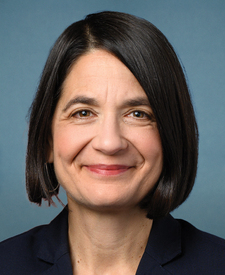
Sponsors
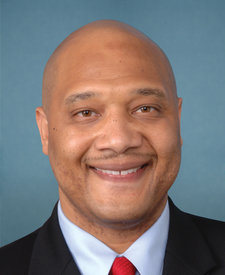
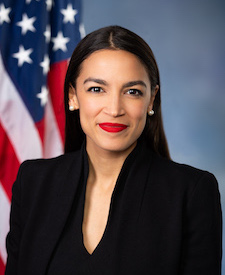
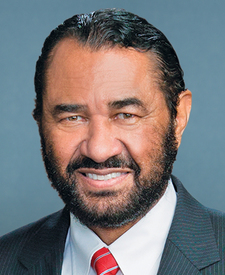
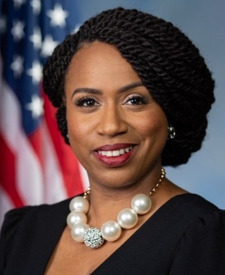
Legislative Progress
In CommitteeMr. Carson (for himself, Ms. Jayapal, Ms. Schakowsky, Ms. Balint, …
Referred to the House Committee on Foreign Affairs.
Introduced in House
Stakeholder Effects
cui bono?How this legislation distributes effects. Mention counts reflect frequency, not effect magnitude.
Civilians in Gaza, Palestinian refugees receiving UNRWA services, UNRWA neutrality compliance staff
Positive-direction: Civilians in Gaza, Palestinian refugees receiving UNRWA services, UNRWA program administrators
Negative-direction: UNRWA neutrality compliance staff
Bill Structure & Actor Mappings
Who is "The Secretary" in each section?
We use a combination of our own taxonomy and classification in addition to large language models to assess meaning and potential beneficiaries. High confidence means strong textual evidence. Always verify with the original bill text.
Learn more about our methodology