SNAP Reform and Upward Mobility Act of 2025
Summary
What This Bill Does
The SNAP Reform and Upward Mobility Act combines poverty-measure changes with extensive SNAP program restrictions and oversight. Title I defines federal benefits across tax credits, SSI, TANF, Medicaid, CHIP, Indian Health Service, ACA subsidies, school meals, WIC, housing, LIHEAP, universal service, and other programs for poverty measurement. It creates an eight-member Census Bureau Commission on Valuation of Federal Benefits appointed by congressional leaders to study how benefits should be valued, and requires GAO to compare poverty rates using current CPS ASEC data with supplementary data by January 1, 2028 and every two years after. Title II adds SNAP purposes of increasing employment, encouraging healthy marriage, and promoting self-sufficiency; changes food definitions to items deemed essential by USDA; raises work-registration age from 60 to 65; modifies ABAWD and work-program rules; requires a five-year outcomes report for SNAP employment and training; phases in state administrative matching funds from 10 percent in fiscal year 2025 to 50 percent in fiscal year 2033 and later; narrows categorical eligibility to households receiving means-tested benefits for at least six months worth at least $50; requires individuals to cooperate with fraud investigations; limits EBT cards to no more than five authorized users and suspends benefits after repeated unauthorized use; restores annual state activity reporting; requires permanent disqualification of retailers convicted of trafficking or exchanging benefits for firearms, ammunition, explosives, or controlled substances; and lets states retain 50 percent of recaptured funds, with amounts above 35 percent used for SNAP fraud investigations.
Who Benefits and How
SNAP fraud investigators benefit because participants must attend requested meetings and hearings, states can retain more recaptured funds, and excess retained funds must support fraud investigations. State SNAP agencies benefit from higher retained recapture shares and clearer authority to suspend households after repeated unauthorized EBT use. Census Bureau poverty researchers benefit from a commission focused on how refundable credits and in-kind benefits should be valued in poverty measures. GAO poverty analysts benefit from a recurring mandate to compare poverty rates using supplementary benefit data. Taxpayers concerned about SNAP integrity benefit from retailer disqualification, authorized-user limits, fraud-cooperation rules, and state match requirements. SNAP employment programs benefit from required five-year outcomes reporting on jobs, wages, hours, earnings, and benefit use.
Who Bears the Burden and How
SNAP recipients ages 60 to 64 may face work-registration requirements that previously ended at age 60. Households using broad categorical eligibility must meet a six-month and $50 means-tested benefit test to be deemed eligible. State governments must contribute rising administrative matching funds, reaching 50 percent in fiscal year 2033 and later. EBT households face required rights-and-responsibilities review and benefit suspensions after repeated unauthorized card use. Retail food stores convicted of trafficking or exchanging benefits for firearms, ammunition, explosives, or controlled substances must be permanently disqualified. USDA Food and Nutrition Service staff must rewrite guidance, collect state reports, administer match rules, and publish annual state activity reports.
Key Provisions
- Creates a Census Bureau Commission on Valuation of Federal Benefits with eight congressional appointees and expertise in quantitative poverty research.
- Requires GAO poverty-measure reports by January 1, 2028 and every two years thereafter using supplementary federal-benefit data.
- Raises SNAP work-registration age from 60 to 65 and revises work and employment-training provisions.
- Requires state administrative matching funds rising from 10 percent in fiscal year 2025 to 50 percent in fiscal year 2033 and later.
- Tightens categorical eligibility to households receiving means-tested benefits for at least six consecutive months valued at not less than $50.
- Requires cooperation with fraud investigations, limits EBT cards to five authorized users, and imposes review or suspension after repeated unauthorized use.
- Requires annual state activity reports, permanent disqualification of certain convicted retailers, and 50 percent state retention of recaptured funds.
Evidence Chain:
This summary is generated from the full bill text using AI analysis. Expand "Detailed Analysis" below for identified beneficiaries/burden bearers with clause-level evidence links.
At a Glance
What This Bill Does
Creates a Census Bureau commission on valuing federal benefits in poverty measures, requires recurring GAO poverty-measure reports, and rewrites SNAP rules on work requirements, employment-training outcomes, state administrative matching funds, categorical eligibility, fraud cooperation, EBT authorized users, state activity reports, retailer disqualification, and state retention of recaptured funds.
Key Policy Areas
SNAP, Public Benefits, Poverty Measurement
Primary Purpose
Creates a Census Bureau commission on valuing federal benefits in poverty measures, requires recurring GAO poverty-measure reports, and rewrites SNAP rules on work requirements, employment-training outcomes, state administrative matching funds, categorical eligibility, fraud cooperation, EBT authorized users, state activity reports, retailer disqualification, and state retention of recaptured funds.
Policy Domains
Resolution provisions
Identified Gains
- SNAP fraud investigators
- State SNAP agencies
- Census Bureau poverty researchers
- GAO poverty analysts
- Taxpayers concerned about SNAP integrity
- SNAP employment programs
Identified Costs
- SNAP recipients ages 60 to 64
- Households using broad categorical eligibility
- State governments
- EBT households
- Retail food stores
- USDA Food and Nutrition Service staff
Sponsors
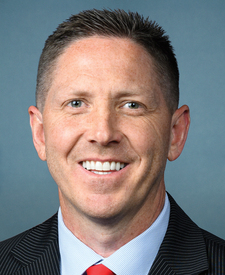
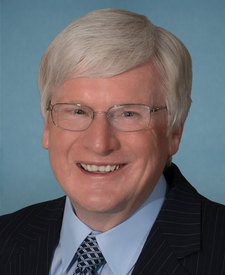

Legislative Progress
In CommitteeReferred to the Subcommittee on Nutrition and Foreign Agriculture.
Mr. Brecheen (for himself, Mr. Kennedy of Utah, and Mr. …
Referred to the Committee on Agriculture, and in addition to …
Introduced in House
Stakeholder Effects
cui bono?How this legislation distributes effects. Mention counts reflect frequency, not effect magnitude.
Census Bureau poverty researchers, GAO poverty analysts, SNAP fraud investigators
Positive-direction: State SNAP agencies
Negative-direction: GAO poverty analysts, State governments, USDA Food and Nutrition Service staff
Households using broad categorical eligibility, SNAP recipients ages 60 to 64
Bill Structure & Actor Mappings
Who is "The Secretary" in each section?
We use a combination of our own taxonomy and classification in addition to large language models to assess meaning and potential beneficiaries. High confidence means strong textual evidence. Always verify with the original bill text.
Learn more about our methodology