Targeting TANF to Families in Need Act
Summary
What This Bill Does
The Targeting TANF to Families in Need Act adds a financial-need threshold to state TANF spending. Beginning October 1, 2026, a state receiving a TANF grant under Social Security Act section 403(a)(1) may use the grant only to provide assistance or services to a family whose income is less than twice the poverty guidelines published under the Community Services Block Grant Act poverty definition. The bill therefore restricts states from using TANF block grant dollars for families above the two-times-poverty threshold, even if state policy currently funds broader services with TANF dollars.
Who Benefits and How
Low-income TANF families below twice poverty benefit because federal block grant spending is targeted more tightly toward families under that threshold. Anti-poverty oversight advocates benefit from a clear income standard for TANF-funded assistance and services. Federal taxpayers benefit if TANF dollars are less likely to fund services for higher-income households. State eligibility workers benefit from a single federal threshold tied to published poverty guidelines.
Who Bears the Burden and How
State TANF agencies must screen federally funded assistance and services against the less-than-200-percent-of-poverty rule. Families above twice poverty may lose TANF-funded services that states currently provide with federal block grant dollars. State program designers lose flexibility to use TANF funds for broad family services without a qualifying income test. HHS family assistance staff must monitor state compliance beginning October 1, 2026.
Key Provisions
- Limits TANF block grant spending to assistance or services for families with income below twice the poverty guidelines.
- Uses the poverty guidelines updated in the Federal Register under the Community Services Block Grant Act poverty definition.
- Applies the restriction to grants made under Social Security Act section 403(a)(1).
- Establishes an October 1, 2026 effective date.
Evidence Chain:
This summary is generated from the full bill text using AI analysis. Expand "Detailed Analysis" below for identified beneficiaries/burden bearers with clause-level evidence links.
At a Glance
What This Bill Does
Requires states to use TANF block grant funds only for assistance or services to families with income below twice the federal poverty guidelines, effective October 1, 2026.
Key Policy Areas
Public Benefits, TANF, Poverty
Primary Purpose
Requires states to use TANF block grant funds only for assistance or services to families with income below twice the federal poverty guidelines, effective October 1, 2026.
Policy Domains
Resolution provisions
Identified Gains
- Low-income TANF families below twice poverty
- Anti-poverty oversight advocates
- Federal taxpayers
- State eligibility workers
Identified Costs
- State TANF agencies
- Families above twice poverty
- State program designers
- HHS family assistance staff
Sponsors
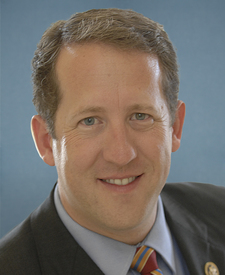
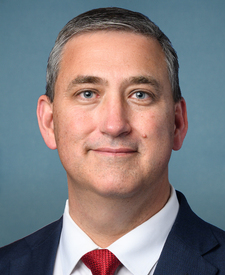
Legislative Progress
In CommitteeMr. Smith of Nebraska (for himself and Mr. Moran) introduced …
Referred to the House Committee on Ways and Means.
Introduced in House
Stakeholder Effects
cui bono?How this legislation distributes effects. Mention counts reflect frequency, not effect magnitude.
Families above twice poverty, Low-income TANF families below twice poverty
Positive-direction: Low-income TANF families below twice poverty
Negative-direction: Families above twice poverty
Bill Structure & Actor Mappings
Who is "The Secretary" in each section?
We use a combination of our own taxonomy and classification in addition to large language models to assess meaning and potential beneficiaries. High confidence means strong textual evidence. Always verify with the original bill text.
Learn more about our methodology