PHIT Act of 2025
Summary
What This Bill Does
The PHIT Act adds qualified sports and fitness expenses to the medical-care definition in Internal Revenue Code section 213(d). Taxpayers could treat certain physical activity costs as medical expenses, including fitness facility memberships, participation or instruction in physical exercise, and equipment used in exercise or sports programs. The benefit is capped at $1,000 per taxpayer per year or $2,000 for joint returns and heads of household. Eligible facilities must focus on physical fitness, comply with anti-discrimination law, and cannot be private clubs or facilities offering golf, hunting, sailing, or riding. Equipment must be exclusively used for physical activity, apparel and footwear must be necessary for a specific activity and not used otherwise, non-exercise sports equipment is capped at $250 per item, and travel and lodging are treated as separate non-exercise components.
Who Benefits and How
Taxpayers with fitness expenses benefit because eligible memberships, instruction, and equipment can count as medical care expenses. Fitness facility operators benefit if tax-preferred treatment makes gym memberships or exercise programs more attractive to consumers. Physical activity instructors benefit from broader tax recognition for exercise instruction expenses. Families filing joint returns benefit from a higher $2,000 annual cap for qualified sports and fitness expenses.
Who Bears the Burden and How
IRS guidance staff must define and administer qualified sports and fitness expenses, facility exclusions, apparel limits, and equipment caps. Tax preparers must distinguish eligible physical activity costs from private-club fees, travel, lodging, or nonqualified sports equipment. Federal taxpayers bear revenue loss from treating more fitness costs as medical care. Golf, hunting, sailing, and riding facilities are excluded from the fitness-facility definition even when they involve physical activity.
Key Provisions
- Adds qualified sports and fitness expenses to the Internal Revenue Code medical-care definition.
- Limits the annual qualified amount to $1,000 per taxpayer or $2,000 for joint returns and heads of household.
- Defines eligible expenses for fitness facility memberships, exercise participation or instruction, and exercise or sports equipment.
- Restricts eligible facilities by excluding private clubs and golf, hunting, sailing, or riding facilities.
- Limits apparel, footwear, equipment, mixed-purpose programs, travel, and accommodations, and applies after enactment.
Evidence Chain:
This summary is generated from the full bill text using AI analysis. Expand "Detailed Analysis" below for identified beneficiaries/burden bearers with clause-level evidence links.
At a Glance
What This Bill Does
Treats qualified sports and fitness expenses as medical care for tax purposes, capped at $1,000 per taxpayer or $2,000 for joint returns and heads of household, with limits on facilities, instruction, equipment, apparel, and excluded travel.
Key Policy Areas
Tax, Public Health, Fitness
Primary Purpose
Treats qualified sports and fitness expenses as medical care for tax purposes, capped at $1,000 per taxpayer or $2,000 for joint returns and heads of household, with limits on facilities, instruction, equipment, apparel, and excluded travel.
Policy Domains
Resolution provisions
Identified Gains
- Taxpayers with fitness expenses
- Fitness facility operators
- Physical activity instructors
- Families filing joint returns
Identified Costs
- IRS guidance staff
- Tax preparers
- Federal taxpayers
- Golf facilities
Sponsors
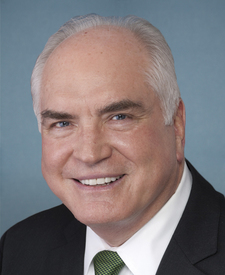




Legislative Progress
In CommitteeMr. Kelly of Pennsylvania (for himself, Mr. Panetta, and Mr. …
Referred to the House Committee on Ways and Means.
Introduced in House
Stakeholder Effects
cui bono?How this legislation distributes effects. Mention counts reflect frequency, not effect magnitude.
Taxpayers, Taxpayers with fitness expenses
Positive-direction: Taxpayers with fitness expenses
Negative-direction: Taxpayers
Fitness facility operators, Physical activity instructors
Bill Structure & Actor Mappings
Who is "The Secretary" in each section?
We use a combination of our own taxonomy and classification in addition to large language models to assess meaning and potential beneficiaries. High confidence means strong textual evidence. Always verify with the original bill text.
Learn more about our methodology