To provide for a waiver of duplication of benefits for certain assistance under the Robert T. Stafford Disaster Relief and Emergency Assistance Act as a result of a major disaster or emergency, and for other purposes.
Analysis under review: This bill has generated analysis that may be too generic or incomplete. Clause-level evidence remains available below.
Summary
What This Bill Does
The Helene Small Business Recovery Act allows the President to waive restrictions that currently prevent disaster victims from receiving federal assistance from multiple programs for the same loss. Right now, federal law says you can't get a FEMA grant and an SBA loan for the same damage - you have to choose one. This bill lets the President remove that restriction for disasters that happened in 2023 or 2024, as long as preventing waste and fraud. The bill specifically targets Hurricane Helene victims and other recent disaster survivors.
Who Benefits and How
Small businesses and homeowners affected by 2023-2024 disasters (especially Hurricane Helene) benefit significantly. They can now receive both grants and loans for the same disaster losses without penalty, giving them access to more total assistance to rebuild. The bill explicitly states that federal loans won't count as "duplicative assistance," so disaster victims can take an SBA loan even if they already received FEMA grants. There's also no income threshold - anyone affected qualifies regardless of how much money they make. State governors gain flexibility to request waivers on behalf of their constituents, making it easier to help disaster victims navigate federal bureaucracy.
Who Bears the Burden and How
Federal taxpayers will likely pay more for disaster assistance, since victims can now receive aid from multiple programs for the same losses. However, the bill includes safeguards requiring the President to find that waivers won't cause "waste, fraud, or abuse." FEMA and other federal disaster agencies face new administrative work - they must review and respond to waiver requests within 45 days and coordinate with other agencies administering disaster programs. This creates a tighter deadline and more bureaucratic coordination.
Key Provisions
- Allows the President to waive the "duplication of benefits" rule from the Stafford Act for 2023-2024 disasters when a state governor requests it
- Explicitly prevents federal loans from counting as duplicative assistance, so disaster victims can receive both grants and loans
- Requires the President to decide on waiver requests within 45 days
- Prohibits using income thresholds to determine eligibility - all disaster victims qualify regardless of income
- Limits the waiver authority to major disasters declared in calendar years 2023 and 2024 only
Evidence Chain:
This summary is generated from the full bill text using AI analysis. Expand "Detailed Analysis" below for identified beneficiaries/burden bearers.
At a Glance
What This Bill Does
Allows the President to waive duplication of benefits restrictions for disaster assistance provided under the Stafford Act for disasters in 2023-2024
Who Benefits
- Small businesses affected by 2023-2024 disasters
- Homeowners and individuals affected by Hurricane Helene and other 2023-2024 disasters
- State governments seeking flexible disaster assistance for constituents
Who Bears Costs
- Federal budget/taxpayers (increased potential for duplicative assistance payouts)
- FEMA and other federal agencies (administrative burden to process waiver requests and coordinate)
- Fraud prevention programs (waiver authority could increase fraud risk if not properly monitored)
Key Policy Areas
Disaster Relief, Emergency Management, Small Business
Primary Purpose
Allows the President to waive duplication of benefits restrictions for disaster assistance provided under the Stafford Act for disasters in 2023-2024
Policy Domains
Legislative Strategy
"Streamline disaster recovery by removing bureaucratic barriers that prevent victims from accessing multiple federal aid programs simultaneously, particularly targeting Hurricane Helene victims in 2023-2024"
Identified Gains
- Small businesses affected by 2023-2024 disasters
- Homeowners and individuals affected by Hurricane Helene and other 2023-2024 disasters
- State governments seeking flexible disaster assistance for constituents
- Banks and lenders (disaster victims can accept both grants and loans without penalty)
Identified Costs
- Federal budget/taxpayers (increased potential for duplicative assistance payouts)
- FEMA and other federal agencies (administrative burden to process waiver requests and coordinate)
- Fraud prevention programs (waiver authority could increase fraud risk if not properly monitored)
Sponsors

Legislative Progress
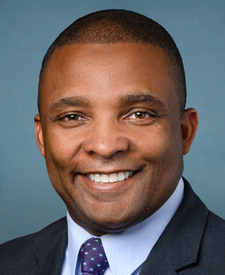
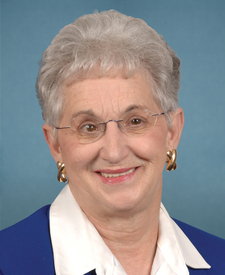
IntroducedMr. Edwards (for himself, Mr. Davis of North Carolina, and …
Stakeholder Effects
cui bono?How this legislation distributes effects. Mention counts reflect frequency, not effect magnitude.
Small businesses affected by 2023-2024 federally-declared disasters
Homeowners and individuals affected by Hurricane Helene and other 2023-2024 disasters
FEMA and federal disaster agencies
Bill Structure & Actor Mappings
Who is "The Secretary" in each section?
- "a_governor"
- → State Governor making request on behalf of state or affected entities
- "the_president"
- → President of the United States
- "the_administration"
- → Federal Emergency Management Agency (FEMA)
- "federal_agency_or_agencies"
- → Federal agencies administering duplicative disaster assistance programs
Key Definitions
Terms defined in this bill
As defined in the Robert T. Stafford Disaster Relief and Emergency Assistance Act, specifically disasters declared in calendar years 2023 or 2024
Federal loans that normally count as duplicative assistance under section 312(c) of the Stafford Act, but under this bill shall not be considered duplication if all Federal assistance is used toward disaster-related losses
We use a combination of our own taxonomy and classification in addition to large language models to assess meaning and potential beneficiaries. High confidence means strong textual evidence. Always verify with the original bill text.
Learn more about our methodology