Safer Skies Act of 2025
Summary
What This Bill Does
The Safer Skies Act closes a security gap for certain scheduled passenger operations that look like commercial service but do not enplane or deplane through TSA-managed checkpoints. Within 360 days, covered air carrier operations must become subject to the Aircraft Operator Standard Security Program. Covered operations are those under 14 CFR parts 135 and 380 that offer individual seats in advance, publish departure and arrival schedules, operate airplanes with more than nine passenger seats, and do not use TSA checkpoint facilities. TSA must revise rules, guidance, and policies to apply the screening program to these carriers.
Who Benefits and How
Passengers on public charter flights benefit because covered operations would be brought under TSA aircraft-operator security screening standards. Airport communities benefit from reduced security risk around scheduled passenger flights that bypass TSA checkpoints. TSA aviation security officials benefit from clearer authority to apply standard aircraft-operator screening to covered part 135 and part 380 operations. Commercial airlines using TSA checkpoints benefit from a more even security baseline across scheduled passenger services.
Who Bears the Burden and How
Public charter operators must comply with Aircraft Operator Standard Security Program requirements within 360 days. TSA policy staff must revise rules, guidance, and policies to bring the covered operations into the security program. Airports hosting covered operations may need to coordinate screening procedures for passengers who currently avoid TSA checkpoints. Travelers using covered public charter services may face added screening time and procedures.
Key Provisions
- Requires covered part 135 and part 380 passenger operations to follow the Aircraft Operator Standard Security Program.
- Applies to operations that sell individual seats, publish schedules, use aircraft with more than nine passenger seats, and avoid TSA checkpoints.
- Directs TSA to revise rules, guidance, and policies within 360 days after enactment.
- Extends aviation security screening requirements to scheduled public charter-style passenger service.
Evidence Chain:
This summary is generated from the full bill text using AI analysis. Expand "Detailed Analysis" below for identified beneficiaries/burden bearers with clause-level evidence links.
At a Glance
What This Bill Does
Requires TSA to apply Aircraft Operator Standard Security Program screening to scheduled public charter-style passenger operations under parts 135 and 380 that sell individual seats, publish schedules, use aircraft with more than nine passenger seats, and avoid TSA-managed checkpoints.
Key Policy Areas
Aviation, Homeland Security, Transportation
Primary Purpose
Requires TSA to apply Aircraft Operator Standard Security Program screening to scheduled public charter-style passenger operations under parts 135 and 380 that sell individual seats, publish schedules, use aircraft with more than nine passenger seats, and avoid TSA-managed checkpoints.
Policy Domains
Resolution provisions
Identified Gains
- Passengers on public charter flights
- Airport communities
- TSA aviation security officials
- Commercial airlines using TSA checkpoints
Identified Costs
- Public charter operators
- TSA policy staff
- Airports hosting covered operations
- Travelers using public charter services
Sponsors
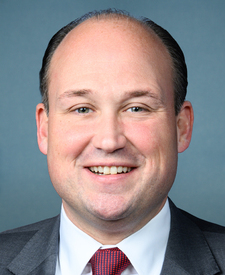
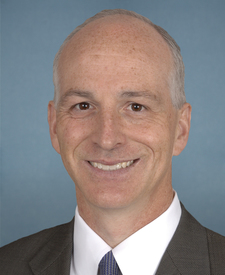
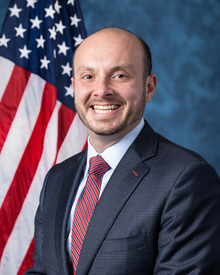
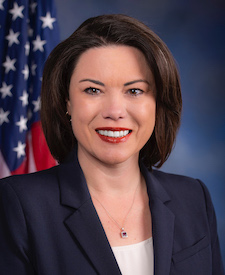

Legislative Progress
In CommitteeMr. Langworthy (for himself, Mr. Veasey, Mr. Bergman, Mr. Bacon, …
Referred to the Subcommittee on Transportation and Maritime Security.
Referred to the House Committee on Homeland Security.
Introduced in House
Stakeholder Effects
cui bono?How this legislation distributes effects. Mention counts reflect frequency, not effect magnitude.
Passengers on public charter flights, Public charter operators
Positive-direction: Passengers on public charter flights
Negative-direction: Public charter operators
TSA aviation security officials, TSA policy staff
Bill Structure & Actor Mappings
Who is "The Secretary" in each section?
We use a combination of our own taxonomy and classification in addition to large language models to assess meaning and potential beneficiaries. High confidence means strong textual evidence. Always verify with the original bill text.
Learn more about our methodology