Brake for Kids Act of 2025
Summary
What This Bill Does
The Brake for Kids Act directs the Secretary of Transportation to produce and distribute a national public safety messaging campaign about the dangers of illegally passing stopped school buses. It uses amounts already provided under the Infrastructure Investment and Jobs Act, and it specifies that the campaign must include television advertising and advertising time on high-audience national broadcasts, radio, social media, and edge-service advertising. The campaign cannot be limited to digital downloads or regional distribution, so the practical effect is a national safety communications mandate aimed at driver behavior around stopped school buses.
Who Benefits and How
School bus riders benefit because the campaign targets illegal passing behavior that creates crash and injury risk near stopped buses. Parents of school bus riders benefit from a national education campaign focused on a specific safety threat to children. School transportation safety advocates benefit because the bill gives DOT a national platform and paid media requirement for bus-stop safety. Broadcast and digital advertising vendors benefit from required television, radio, social media, and edge-service advertising buys.
Who Bears the Burden and How
Department of Transportation campaign staff must design, buy, and distribute a national paid-media campaign. Infrastructure law program managers must allocate existing IIJA funds to the safety messaging campaign. Drivers who illegally pass stopped school buses face greater public attention and potential enforcement pressure. Regional-only safety campaigns may lose priority because the bill requires national distribution and high-audience broadcasts.
Key Provisions
- Requires DOT to produce and distribute a national safety campaign on illegal passing of stopped school buses.
- Uses amounts provided to the Transportation Secretary under the Infrastructure Investment and Jobs Act.
- Requires television advertising and advertising time on key national broadcasts with wide audiences.
- Requires radio, social media, and edge-service advertising and bars a campaign limited to digital downloads or regional distribution.
Evidence Chain:
This summary is generated from the full bill text using AI analysis. Expand "Detailed Analysis" below for identified beneficiaries/burden bearers.
At a Glance
What This Bill Does
Requires the Transportation Secretary to use Infrastructure Investment and Jobs Act funds for a national television, radio, social media, and edge-service safety campaign warning about illegal passing of stopped school buses.
Key Policy Areas
Transportation, Public Safety, Education
Primary Purpose
Requires the Transportation Secretary to use Infrastructure Investment and Jobs Act funds for a national television, radio, social media, and edge-service safety campaign warning about illegal passing of stopped school buses.
Policy Domains
Resolution provisions
Identified Gains
Contextual inference, no direct clause citation- School bus riders
- Parents of school bus riders
- School transportation safety advocates
- Broadcast advertising vendors
Contextual inference, no direct clause citation
Identified Costs
Contextual inference, no direct clause citation- Department of Transportation campaign staff
- Infrastructure law program managers
- Drivers who illegally pass stopped school buses
- Regional safety campaign sponsors
Contextual inference, no direct clause citation
Sponsors
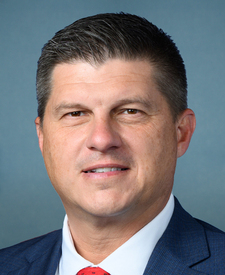
Legislative Progress
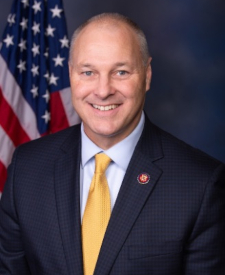
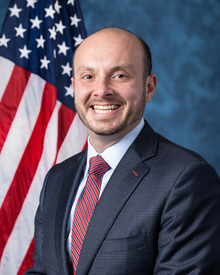
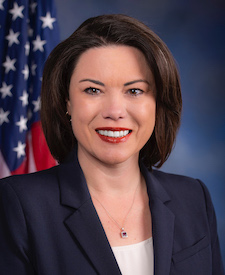
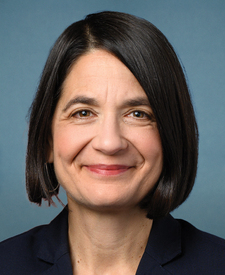
In CommitteeMr. Stauber (for himself, Mr. Yakym, Ms. Brownley, and Mr. …
Referred to the Subcommittee on Highways and Transit.
Referred to the House Committee on Transportation and Infrastructure.
Introduced in House
Bill Structure & Actor Mappings
Who is "The Secretary" in each section?
We use a combination of our own taxonomy and classification in addition to large language models to assess meaning and potential beneficiaries. High confidence means strong textual evidence. Always verify with the original bill text.
Learn more about our methodology