To amend the Robert T. Stafford Disaster Relief and Emergency Assistance Act to waive certain prohibitions on duplication of benefits, and for other purposes.
Sponsors

Legislative Progress
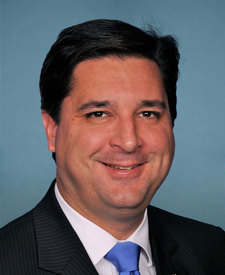
IntroducedMr. Rouzer (for himself and Mr. Carter of Louisiana) introduced …
Summary
What This Bill Does
The Duplications of Benefits Victims Relief Act changes federal disaster relief rules to allow people and businesses affected by disasters to receive help from multiple federal programs without being penalized for "duplication of benefits." Currently, if someone receives disaster aid from one federal agency, they can be denied assistance from another agency because it would be considered duplicative. This bill allows the President to waive that restriction when a state governor requests it, and specifically prohibits treating disaster loans as duplicative assistance.
Who Benefits and How
The primary beneficiaries are disaster victims—individuals, families, and businesses who need to rebuild after hurricanes, floods, wildfires, or other federally declared disasters. They benefit by being able to accept both grants and loans from different federal programs without losing eligibility, giving them more resources to recover. The bill explicitly helps low-income disaster victims by prohibiting agencies from using income thresholds to deny waivers. Secondary beneficiaries include construction contractors and building materials suppliers who will see increased business as disaster victims have access to more recovery funds.
Who Bears the Burden and How
Federal agencies, particularly FEMA, face new administrative burdens. FEMA must process waiver requests within 45 days, coordinate with other federal agencies, and prepare comprehensive reports on how to improve disaster assistance delivery. Other federal agencies that provide disaster aid (like HUD and USDA) must coordinate their programs and align their interpretations of duplication rules. Ultimately, taxpayers bear the cost through higher federal disaster spending, as the bill makes it easier for victims to receive assistance from multiple programs simultaneously.
Key Provisions
- Allows the President to waive duplication-of-benefits restrictions when requested by a state governor and determined to be in the public interest
- Prohibits treating federal disaster loans (like SBA loans) as duplicative assistance, allowing victims to receive both loans and grants
- Bans the use of income thresholds when determining eligibility for duplication waivers
- Requires waiver requests to be approved or denied within 45 days
- Applies retroactively to all disasters declared since January 1, 2016
- Requires FEMA to submit reports within 1 year and 4 years on improving coordination between federal disaster programs
Evidence Chain:
This summary is derived from the structured analysis below. See "Detailed Analysis" for per-title beneficiaries/burden bearers with clause-level evidence links.
Primary Purpose
Amends the Stafford Disaster Relief Act to allow presidential waivers of duplication-of-benefits restrictions for disaster relief recipients
Policy Domains
Legislative Strategy
"Expand flexibility in disaster relief by removing bureaucratic barriers that prevent victims from accessing multiple forms of federal assistance"
Likely Beneficiaries
- Disaster victims who previously were denied assistance due to duplication rules
- Low-income disaster victims (no income threshold can be applied)
- Persons, business concerns, and entities in disaster-affected areas
- State governors (gain authority to request waivers on behalf of constituents)
Likely Burden Bearers
- Federal agencies administering disaster programs (increased coordination burden)
- FEMA (must process waiver requests within 45 days and prepare coordination reports)
- Taxpayers (potentially higher costs due to more disaster assistance being provided)
Bill Structure & Actor Mappings
Who is "The Secretary" in each section?
- "the_governor"
- → Governor of an affected State
- "the_president"
- → President of the United States
- "the_administrator"
- → Administrator of the Federal Emergency Management Agency (FEMA)
Key Definitions
Terms defined in this bill
Federal assistance that duplicates benefits from another Federal program, which this bill allows to be waived by the President
Any major disaster or emergency declared by the President under section 401 or 501 of the Stafford Act on or after January 1, 2016
We use a combination of our own taxonomy and classification in addition to large language models to assess meaning and potential beneficiaries. High confidence means strong textual evidence. Always verify with the original bill text.
Learn more about our methodology