To allow certain veterans to use high occupancy vehicle lanes, including toll lanes.
Analysis under review: This bill has generated analysis that may be too generic or incomplete. Clause-level evidence remains available below.
Summary
What This Bill Does
The HOV Lanes for Heroes Act allows disabled veterans with service-connected disabilities to use high occupancy vehicle (HOV) lanes, including toll HOV lanes, even when driving alone. The bill amends federal highway law to give state and local transportation authorities the option to create this benefit for veterans with disability ratings at or above a threshold the authorities set.
Who Benefits and How
Disabled veterans are the primary beneficiaries. Those who qualify can bypass HOV lane occupancy requirements, saving time in traffic and potentially reducing fuel costs. Veterans using toll HOV lanes benefit even more because the bill prohibits charging them tolls under this program. To participate, veterans need a special license plate, transponder, or other identification method approved by their local transportation authority.
Who Bears the Burden and How
State and local transportation authorities must create and administer identification systems to verify which veterans qualify, adding administrative work and costs. Toll road operators may lose revenue from disabled veterans who would have paid tolls. Other HOV lane users could experience increased congestion if more vehicles enter these lanes, though the impact depends on how many veterans qualify under each authority's chosen disability rating threshold.
Key Provisions
- Amends 23 U.S.C. 166(b) to create a new exemption category for disabled veterans
- Defines "disabled veteran" as someone with a service-connected disability rated at or above a percentage determined by the public authority
- Exempts qualifying veterans from HOV occupancy requirements (allows single-occupant use)
- Prohibits charging tolls to disabled veterans using HOV lanes under this provision
- Requires some form of identification system (license plate, transponder, or similar)
Evidence Chain:
This summary is generated from the full bill text using AI analysis. Expand "Detailed Analysis" below for identified beneficiaries/burden bearers.
At a Glance
What This Bill Does
Allows disabled veterans to use high occupancy vehicle (HOV) lanes without meeting occupancy requirements and without being charged tolls
Who Benefits
- Disabled veterans with service-connected disabilities
- Veterans service organizations
Who Bears Costs
- State and local transportation authorities (administrative burden of implementing identification systems)
- Other HOV lane users (potentially increased congestion)
Key Policy Areas
Veterans Affairs, Transportation
Primary Purpose
Allows disabled veterans to use high occupancy vehicle (HOV) lanes without meeting occupancy requirements and without being charged tolls
Policy Domains
Legislative Strategy
"Provide transportation benefits to disabled veterans by granting HOV lane access as a form of recognition and practical assistance"
Identified Gains
- Disabled veterans with service-connected disabilities
- Veterans service organizations
Identified Costs
- State and local transportation authorities (administrative burden of implementing identification systems)
- Other HOV lane users (potentially increased congestion)
Legislative Progress
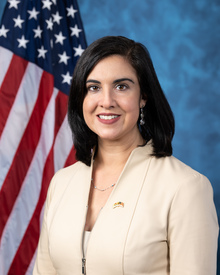
IntroducedMs. Malliotakis introduced the following bill; which was referred to …
Stakeholder Effects
cui bono?How this legislation distributes effects. Mention counts reflect frequency, not effect magnitude.
Disabled veterans using toll HOV lanes, Disabled veterans with service-connected disabilities
State and local transportation authorities managing HOV facilities
Bill Structure & Actor Mappings
Who is "The Secretary" in each section?
- "the_public_authority"
- → State or local transportation authority managing HOV facilities
- "the_secretary_of_veterans_affairs"
- → Secretary of Veterans Affairs (determines disability ratings)
Key Definitions
Terms defined in this bill
A veteran (as defined in 38 USC 101) who the Secretary of Veterans Affairs has determined has a service-connected disability rated at or above a percentage determined to be qualifying by the public authority
We use a combination of our own taxonomy and classification in addition to large language models to assess meaning and potential beneficiaries. High confidence means strong textual evidence. Always verify with the original bill text.
Learn more about our methodology