Unity through Service Act of 2025
Summary
What This Bill Does
The Unity through Service Act creates an Interagency Council on Service to advise the President on promoting military, national, and public service and to coordinate executive-branch recruitment strategies. Council members include representatives of State, Defense, Justice, Interior, Commerce, Labor, HHS, Education, VA, DHS, OMB, ODNI, OPM, Peace Corps, Selective Service, the Corporation for National and Community Service, and any other officers the President designates. The President annually designates a Senate-confirmed member as chair, and the council meets quarterly. It must develop common recruitment strategies, coordinate best practices, lead joint awareness and marketing initiatives, consult nonfederal entities such as state, local, Tribal, education, nonprofit, faith-based, philanthropic, and private-sector representatives, and submit a Service Strategy within two years and every four years thereafter. The chair, Defense Secretary, AmeriCorps CEO, and Peace Corps Director must submit quadrennial reports on cross-service marketing, research, recruitment, and prior service overlaps. The chair must study past advertising campaigns and the role of vaccine requirements in service recruitment and retention and report within 270 days. No additional funds are authorized, and GAO must report to Congress within 30 months on the Act's effectiveness.
Who Benefits and How
Prospective service applicants benefit from better coordinated pathways across military service, national service, Peace Corps, AmeriCorps, YouthBuild, and public service. Defense recruitment staff benefit from joint advertising and cross-service research with national service and Peace Corps programs. AmeriCorps recruitment staff benefit from coordinated marketing and data on people moving between national service and the Armed Forces. Peace Corps recruitment staff benefit from inclusion in quadrennial cross-service reports and recruitment studies. The President benefits from a standing interagency council advising on service strategy, civic responsibility, and recruitment priorities.
Who Bears the Burden and How
Interagency Council members must meet quarterly, coordinate recruitment strategies, consult nonfederal entities, and produce a Service Strategy. Defense Department staff, AmeriCorps staff, and Peace Corps staff must contribute to quadrennial joint reports and recruitment studies. The Council chair must study advertising campaigns and vaccine-requirement effects and report within 270 days. GAO analysts must report to Congress within 30 months on the Act's effectiveness. Participating agencies must carry out the work without additional authorized funds.
Key Provisions
- Creates an Interagency Council on Service with representatives from major service, national security, workforce, education, and civic agencies.
- Requires common recruitment strategies, cross-service initiatives, nonfederal consultation, and a Service Strategy within two years.
- Requires quadrennial reports on cross-service marketing, recruitment, prior service overlaps, and expansion feasibility.
- Requires a 270-day report on past advertising campaigns and vaccine-requirement effects on recruitment and retention.
- Provides no additional funds and requires a GAO effectiveness report within 30 months.
Evidence Chain:
This summary is generated from the full bill text using AI analysis. Expand "Detailed Analysis" below for identified beneficiaries/burden bearers with clause-level evidence links.
At a Glance
What This Bill Does
Creates an Interagency Council on Service to coordinate military, national, and public service recruitment strategies, requires service strategy and joint cross-service reports, studies advertising and vaccine-requirement effects on recruitment and retention, bars additional appropriations, and requires a GAO effectiveness report within 30 months.
Key Policy Areas
National Service, Military, Public Service, Interagency Coordination
Primary Purpose
Creates an Interagency Council on Service to coordinate military, national, and public service recruitment strategies, requires service strategy and joint cross-service reports, studies advertising and vaccine-requirement effects on recruitment and retention, bars additional appropriations, and requires a GAO effectiveness report within 30 months.
Policy Domains
Resolution provisions
Identified Gains
- Prospective service applicants
- Defense recruitment staff
- AmeriCorps recruitment staff
- Peace Corps recruitment staff
- President of the United States
Identified Costs
- Interagency Council members
- Defense Department staff
- AmeriCorps staff
- Peace Corps staff
- GAO analysts
Sponsors
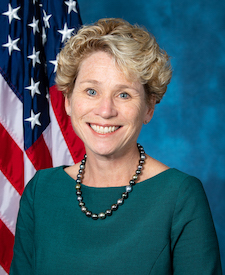

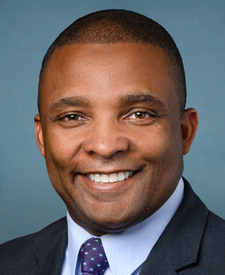


Legislative Progress
In CommitteeMs. Houlahan (for herself, Mr. Bergman, Mr. Panetta, and Mr. …
Referred to the Committee on Education and Workforce, and in …
Introduced in House
Stakeholder Effects
cui bono?How this legislation distributes effects. Mention counts reflect frequency, not effect magnitude.
AmeriCorps recruitment staff, Peace Corps recruitment staff, Prospective service applicants
Interagency Council members, President of the United States
Bill Structure & Actor Mappings
Who is "The Secretary" in each section?
We use a combination of our own taxonomy and classification in addition to large language models to assess meaning and potential beneficiaries. High confidence means strong textual evidence. Always verify with the original bill text.
Learn more about our methodology