Medicare and Medicaid Fraud Prevention Act
Summary
What This Bill Does
The Medicare and Medicaid Fraud Prevention Act adds a Medicaid provider-screening requirement. Beginning January 1, 2027, each state must check the Death Master File when enrolling or revalidating a Medicaid provider or supplier and at least quarterly while that provider or supplier remains enrolled. The purpose is to identify deceased providers or suppliers before Medicaid payments can be made under their enrollment records. The bill is narrow, but it creates an ongoing quarterly data match that state Medicaid agencies must integrate into provider screening and enrollment systems.
Who Benefits and How
Medicaid beneficiaries benefit if provider screening reduces fraud and preserves program resources for legitimate care. Federal taxpayers benefit if Death Master File checks prevent payments tied to deceased provider records. State Medicaid program integrity units benefit from a clear recurring data source for provider-screening checks. Legitimate Medicaid providers benefit when fraudulent or stale deceased-provider enrollments are removed from the program.
Who Bears the Burden and How
State Medicaid agencies must run Death Master File checks at enrollment, revalidation, and at least quarterly for enrolled providers or suppliers. Medicaid providers and suppliers may face additional screening during enrollment and revalidation. CMS oversight staff must monitor state compliance with the new provider-screening requirement. State provider enrollment vendors must update systems to perform and document quarterly Death Master File checks.
Key Provisions
- Requires state Medicaid Death Master File checks beginning January 1, 2027.
- Applies the check during provider or supplier enrollment and revalidation.
- Requires checks at least quarterly while a provider or supplier remains enrolled.
- Targets deceased-provider fraud and stale enrollment records in Medicaid.
Evidence Chain:
This summary is generated from the full bill text using AI analysis. Expand "Detailed Analysis" below for identified beneficiaries/burden bearers with clause-level evidence links.
At a Glance
What This Bill Does
Requires state Medicaid programs, beginning January 1, 2027, to check the Death Master File during provider enrollment or revalidation and at least quarterly while providers or suppliers remain enrolled.
Key Policy Areas
Medicaid, Program Integrity, Provider Screening
Primary Purpose
Requires state Medicaid programs, beginning January 1, 2027, to check the Death Master File during provider enrollment or revalidation and at least quarterly while providers or suppliers remain enrolled.
Policy Domains
Resolution provisions
Identified Gains
- Medicaid beneficiaries
- Federal taxpayers
- State Medicaid program integrity units
- Legitimate Medicaid providers
Identified Costs
- State Medicaid agencies
- Medicaid providers
- CMS oversight staff
- State provider enrollment vendors
Sponsors




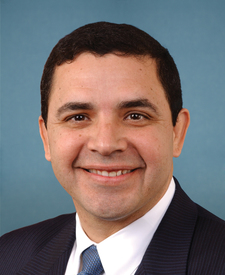
Legislative Progress
In CommitteeMr. Peters (for himself, Mr. Evans of Colorado, Mr. Suozzi, …
Referred to the House Committee on Energy and Commerce.
Introduced in House
Stakeholder Effects
cui bono?How this legislation distributes effects. Mention counts reflect frequency, not effect magnitude.
State Medicaid agencies, State Medicaid program integrity units
Legitimate Medicaid providers, Medicaid providers
Positive-direction: Legitimate Medicaid providers
Negative-direction: Medicaid providers
Bill Structure & Actor Mappings
Who is "The Secretary" in each section?
We use a combination of our own taxonomy and classification in addition to large language models to assess meaning and potential beneficiaries. High confidence means strong textual evidence. Always verify with the original bill text.
Learn more about our methodology