To promote the development of renewable energy on public land, and for other purposes.
Summary
What This Bill Does
The bill defines key terms including covered land (federal land eligible for renewable energy development), energy storage projects (5+ kWh), exclusion areas, priority areas, and renewable energy projects (geothermal, solar, expands increases the national renewable energy production goal on federal land from 25 GW to 60 GW and extends deadline from 2025 to December 31, 2030, requiring updated goals within 18 months, and requires BLM to designate areas on covered land for renewable energy and consider priority areas, update programmatic environmental impact statements within 18 months, with mandatory public comment and variance process. It relies on regulatory framework, mandate, fee change, and reporting requirements. The main policy areas are Energy, Environment, and Agriculture.
Who Benefits and How
Renewable energy developers on federal land could see lower costs, States with renewable energy projects on federal land could gain revenue opportunities, and Counties with renewable energy projects on federal land could gain revenue opportunities.
Who Bears the Burden and How
Bureau of Land Management would take on compliance duties, State BLM offices would take on compliance duties, and Federal government (revenue) could lose revenue opportunities.
Key Provisions
- Defines key terms including covered land (federal land eligible for renewable energy development), energy storage projects (5+ kWh), exclusion areas, priority areas, and renewable energy projects (geothermal, solar...
- Expands increases the national renewable energy production goal on federal land from 25 GW to 60 GW and extends deadline from 2025 to December 31, 2030, requiring updated goals within 18 months.
- Requires BLM to designate areas on covered land for renewable energy and consider priority areas, update programmatic environmental impact statements within 18 months, with mandatory public comment and variance process...
- Creates allows BLM to delegate renewable energy permit processing to State Renewable Energy Coordination Offices, with authority to issue leases and hire additional experts at applicant expense, and sets cost recovery...
- Creates caps federal land rental rates for renewable energy at average rates for similar activities on private land, allows use of NASS pastureland surveys for rate determination, limits annual increases to GDP...
Evidence Chain:
This summary is generated from the full bill text using AI analysis. Expand "Detailed Analysis" below for identified beneficiaries/burden bearers with clause-level evidence links.
At a Glance
What This Bill Does
The bill defines key terms including covered land (federal land eligible for renewable energy development), energy storage projects (5+ kWh), exclusion areas, priority areas, and renewable energy projects (geothermal, solar, expands increases the national renewable energy production goal on federal land from 25 GW to 60 GW and extends deadline from 2025 to December 31, 2030, requiring updated goals within 18 months, and requires BLM to designate areas on covered land for renewable energy and consider priority areas, update programmatic environmental impact statements within 18 months, with mandatory public comment and variance process.
Key Policy Areas
Energy, Environment, Agriculture
Primary Purpose
The bill defines key terms including covered land (federal land eligible for renewable energy development), energy storage projects (5+ kWh), exclusion areas, priority areas, and renewable energy projects (geothermal, solar, expands increases the national renewable energy production goal on federal land from 25 GW to 60 GW and extends deadline from 2025 to December 31, 2030, requiring updated goals within 18 months, and requires BLM to designate areas on covered land for renewable energy and consider priority areas, update programmatic environmental impact statements within 18 months, with mandatory public comment and variance process.
Policy Domains
Renewable Energy on Public Land
Identified Gains
- Renewable energy developers on federal land
- States with renewable energy projects on federal land
- Counties with renewable energy projects on federal land
- Fish and wildlife conservation programs
- Bureau of Land Management
Identified Costs
- Bureau of Land Management
- State BLM offices
- Federal government (revenue)
Sponsors
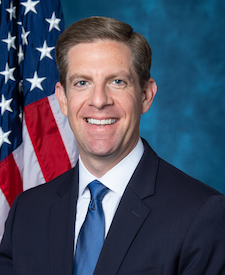
Legislative Progress
IntroducedMr. Levin introduced the following bill; which was referred to …
Stakeholder Effects
cui bono?How this legislation distributes effects. Mention counts reflect frequency, not effect magnitude.
Bureau of Land Management, Federal government (revenue), State BLM offices
Bureau of Land Management faces effects in multiple directions
Renewable energy developers on federal land, Wind and solar project applicants
Counties with renewable energy projects on federal land, States with renewable energy projects on federal land
Bill Structure & Actor Mappings
Who is "The Secretary" in each section?
- "blm"
- → Bureau of Land Management
- "the_secretary"
- → Secretary of the Interior
- "forest_service"
- → Department of Agriculture through the Forest Service
Key Definitions
Terms defined in this bill
Federal land not excluded from renewable energy development under land use plans or other law, not in DRECP areas
Covered land identified by BLM as not suitable for renewable energy development
Covered land identified through BLM planning as preferred location for renewable energy projects
Project on covered land using wind, solar, or geothermal energy, may include energy storage
We use a combination of our own taxonomy and classification in addition to large language models to assess meaning and potential beneficiaries. High confidence means strong textual evidence. Always verify with the original bill text.
Learn more about our methodology