American Broadband Deployment Act of 2025
Summary
What This Bill Does
The American Broadband Deployment Act of 2025 is a broad permitting and franchise streamlining bill for wireless, wireline, cable, and broadband infrastructure. It rewrites Communications Act limits on state and local review of personal wireless service facilities and telecommunications service facilities, preserving local zoning authority in general but barring discrimination, service-prohibiting regulations, moratoria, excessive fees, and slow decisions. It sets decision deadlines such as 60, 90, 120, and 150 days depending on the facility and request type, creates cure periods for incomplete applications, and deems certain requests granted if governments miss deadlines. It expands mandatory approval for eligible modifications to existing wireless towers, base stations, support structures, and wireline facilities. For cable, it imposes a 120-day franchise decision deadline, deemed grants for missed decisions, limits on cable-equipment placement rules, 120-day modification of franchise requirements for good cause, continuing franchises unless properly revoked or terminated, fair-market-value sale rules, and limits on blocking franchise transfers. It exempts eligible wireless and communications projects and certain federal easements from NEPA and National Historic Preservation Act treatment, while preserving FCC radiofrequency-exposure review. It also creates a 45-day presumption for tribal review of complete FCC Forms 620 and 621, accelerates federal easements, rights-of-way, and leases with deemed grants, and requires NTIA to report to Congress on broadband deployment fees charged by eligible entities and political subdivisions.
Who Benefits and How
Wireless carriers benefit from shorter zoning shot clocks, limits on moratoria and discriminatory rules, and mandatory approval of eligible facility modifications. Wireline broadband providers benefit because telecommunications facility requests receive similar anti-discrimination, deadline, tolling, and deemed-grant protections. Cable operators benefit from faster franchise grants, easier franchise modifications, continuing franchise terms, fair-market-value protections, and transfer limits on franchising authorities. Broadband infrastructure applicants benefit from NEPA and NHPA exemptions for covered projects and from deemed grants for federal easements, rights-of-way, and leases. Rural and underserved broadband users benefit if faster approvals reduce deployment delays. Congress and NTIA benefit from fee transparency about state and local broadband deployment charges.
Who Bears the Burden and How
State permitting authorities and local zoning boards must decide applications within federal deadlines, provide written incompleteness notices quickly, avoid moratoria, and limit fees to objective cost-based amounts. Cable franchising authorities must process franchise requests, equipment requests, modification requests, terminations, sales, and transfers under tighter federal rules. Federal Communications Commission staff must administer definitions, tribal-form presumptions, radiofrequency review, and communications-project rules. Indian Tribes reviewing FCC Forms 620 and 621 face a 45-day response window before a good-faith-effort presumption applies. Environmental reviewers and historic preservation offices lose NEPA or NHPA review leverage for specified eligible facilities requests and covered projects. Executive agencies managing federal property must process easements, rights-of-way, and leases under deemed-grant deadlines.
Key Provisions
- Amends Communications Act wireless zoning rules to bar discriminatory or service-prohibiting state and local regulation.
- Requires state and local governments to decide personal wireless and telecommunications facility requests within specified 60-, 90-, or 150-day timeframes.
- Prohibits moratoria, constrains application fees, and creates deemed grants when covered requests are not decided on time.
- Expands mandatory approval for eligible modifications to existing wireless towers, base stations, support structures, and wireline facilities.
- Requires cable franchise decisions within 120 days and limits cable-equipment placement, franchise modification, termination, sale, and transfer rules.
- Exempts eligible wireless and communications projects from specified NEPA and National Historic Preservation Act treatment.
- Creates tribal-review presumptions for complete FCC Form 620 and 621 submissions after 45 days.
- Requires executive agencies to process federal easements, rights-of-way, and leases under deadlines with deemed grants.
- Directs NTIA to report to Congress on fees charged for broadband deployment authorizations and rights-of-way.
Evidence Chain:
This summary is generated from the full bill text using AI analysis. Expand "Detailed Analysis" below for identified beneficiaries/burden bearers with clause-level evidence links.
At a Glance
What This Bill Does
Preempts or limits state, local, cable-franchise, and federal permitting barriers to broadband and communications deployment by imposing shot clocks and deemed grants, narrowing moratoria and fee practices, expanding eligible-facility modification approvals, exempting several wireless and communications projects from NEPA and NHPA review, creating tribal FCC Form 620 and 621 response presumptions, accelerating federal easements, and requiring NTIA fee reporting.
Key Policy Areas
Telecommunications, Broadband, Permitting, Federal Lands
Primary Purpose
Preempts or limits state, local, cable-franchise, and federal permitting barriers to broadband and communications deployment by imposing shot clocks and deemed grants, narrowing moratoria and fee practices, expanding eligible-facility modification approvals, exempting several wireless and communications projects from NEPA and NHPA review, creating tribal FCC Form 620 and 621 response presumptions, accelerating federal easements, and requiring NTIA fee reporting.
Policy Domains
House resolution provisions
Identified Gains
- Wireless carriers
- Wireline broadband providers
- Cable operators
- Broadband infrastructure applicants
- Rural broadband users
- Underserved broadband users
- National Telecommunications and Information Administration
- Congressional oversight committees
Identified Costs
- State permitting authorities
- Local zoning boards
- Cable franchising authorities
- Federal Communications Commission
- Indian Tribes reviewing FCC forms
- Environmental reviewers
- Historic preservation offices
- Executive agencies managing federal property
Sponsors
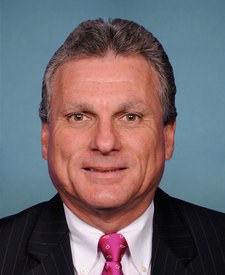

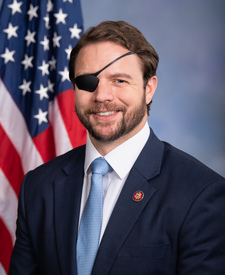

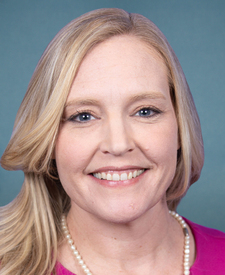
Legislative Progress
ReportedPlaced on the Union Calendar, Calendar No. 532.
Committee on Natural Resources discharged.
Reported (Amended) by the Committee on Energy and Commerce. H. …
Additional sponsors: Mr. Crenshaw, Mr. Allen, Mr. Griffith, Mr. Latta, …
Reported from the Committee on Energy and Commerce with amendments
Committee on Natural Resources discharged; committed to the Committee of …
Ordered to be Reported by the Yeas and Nays: 26 …
Committee Consideration and Mark-up Session Held
Forwarded by Subcommittee to Full Committee (Amended) by the Yeas …
Subcommittee Consideration and Mark-up Session Held
Stakeholder Effects
cui bono?How this legislation distributes effects. Mention counts reflect frequency, not effect magnitude.
Broadband infrastructure applicants, Cable franchise applicants, Cable operators
Positive-direction: Broadband infrastructure applicants, Cable franchise applicants, Cable operators, Communications project applicants, Rural broadband users, Underserved broadband users, Wireless carriers, Wireline broadband providers
Negative-direction: Federal Communications Commission
Cable franchising authorities, Executive agencies managing federal property, Local zoning boards
Historic preservation offices
Historic preservation offices faces effects in multiple directions
Bill Structure & Actor Mappings
Who is "The Secretary" in each section?
- "fcc"
- → Federal Communications Commission
- "ntia"
- → National Telecommunications and Information Administration
We use a combination of our own taxonomy and classification in addition to large language models to assess meaning and potential beneficiaries. High confidence means strong textual evidence. Always verify with the original bill text.
Learn more about our methodology