Recognizing Community Organizations for Veteran Engagement and Recovery Act
Summary
What This Bill Does
The RECOVER Act directs the Department of Veterans Affairs to run a 3-year pilot grant program for nonprofit outpatient mental health providers. Eligible providers must operate at least one outpatient mental health facility in the United States for three continuous years, identify the facilities that would receive grant support, and have at least one clinician at each grant facility trained to provide culturally competent veteran mental health care under VA requirements. Grant funds may be used to provide culturally competent, evidence-based mental health care, operate or establish outpatient mental health facilities, and encourage eligible veterans to enroll in the VA patient enrollment system and receive VA medical services. Recipients may not charge veterans fees or refuse care because a veteran is not eligible for reimbursement under a health plan or government program. VA must distribute grants evenly between rural and urban facilities, may prioritize medically underserved areas, large veteran populations, proximity to military installations, and high veteran suicide risk, and must set accountability, outcome, and data-reporting rules. The bill authorizes $20 million annually for fiscal years 2025 through 2027 and requires a report after the pilot.
Who Benefits and How
Veterans needing mental health care benefit because nonprofit grantees must provide evidence-based, culturally competent care without charging veterans fees. Veterans in medically underserved areas, communities near military installations, and high-suicide-risk areas benefit from VA priority factors. Nonprofit outpatient mental health providers receive grant funding that can support existing facilities, new facilities, clinicians, and veteran outreach. Rural and urban outpatient facilities both benefit because VA must distribute grants evenly between those settings. Clinicians receive a VA-defined training pathway for culturally competent veteran mental health care.
Who Bears the Burden and How
The Secretary of Veterans Affairs must design the pilot, review applications, distribute grants across rural and urban facilities, set training requirements, issue regulations, and report to Congress. Nonprofit grantees must meet eligibility requirements, avoid charging veteran fees, accept veterans regardless of reimbursement eligibility, collect data, show accountability, and demonstrate clinical outcomes. Facilities receiving at least half their budget from federal grants face a stricter cap tied to 50 percent of operating budget or $1.5 million. Health plans, VA Community Care, and other government programs may receive reimbursement claims from grantees. Congressional committees must review post-pilot data on veterans served, demographics, care types, duration, outcomes, enrollment, and obstacles.
Key Provisions
- Establishes a 3-year VA pilot grant program for eligible nonprofit outpatient mental health providers.
- Authorizes culturally competent, evidence-based mental health care and outpatient facility operations or establishment.
- Prohibits grantees from charging veterans fees or refusing care based on reimbursement eligibility.
- Requires clinician training in culturally competent veteran mental health care.
- Directs VA to distribute grants evenly between rural and urban facilities and consider underserved or high-risk areas.
- Caps awards at $1.5 million per facility per year, with a stricter cap for heavily federally funded facilities.
- Requires accountability, outcomes, data collection, regulations, and a congressional report.
- Authorizes $20 million annually for fiscal years 2025 through 2027.
Evidence Chain:
This summary is generated from the full bill text using AI analysis. Expand "Detailed Analysis" below for identified beneficiaries/burden bearers.
At a Glance
What This Bill Does
Creates a 3-year VA pilot grant program for nonprofit outpatient mental health providers to deliver culturally competent, evidence-based mental health care to veterans without charging veterans fees, authorizes $20 million annually for fiscal years 2025 through 2027, caps awards at $1.5 million per facility per year, and requires training, accountability, data, and congressional reporting.
Key Policy Areas
Veterans, Mental Health, Grants
Primary Purpose
Creates a 3-year VA pilot grant program for nonprofit outpatient mental health providers to deliver culturally competent, evidence-based mental health care to veterans without charging veterans fees, authorizes $20 million annually for fiscal years 2025 through 2027, caps awards at $1.5 million per facility per year, and requires training, accountability, data, and congressional reporting.
Policy Domains
House resolution provisions
Identified Gains
Contextual inference, no direct clause citation- Veterans needing mental health care
- Veterans in medically underserved areas
- Nonprofit outpatient mental health providers
- Rural outpatient mental health facilities
- Urban outpatient mental health facilities
- Clinicians serving veterans
Contextual inference, no direct clause citation
Identified Costs
Contextual inference, no direct clause citation- Secretary of Veterans Affairs
- Nonprofit grantees
- Federally funded outpatient facilities
- Health plans
- VA Community Care
- Congressional committees
Contextual inference, no direct clause citation
Sponsors
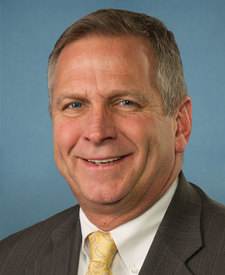
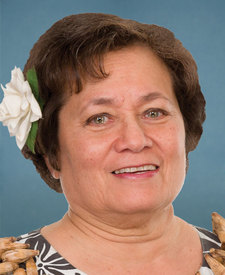
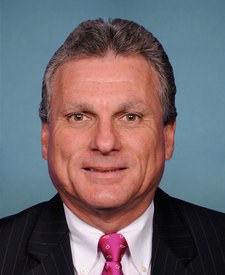
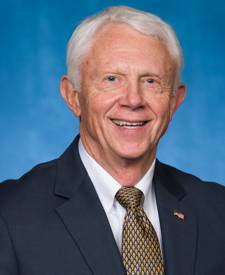
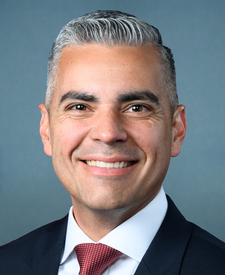
Legislative Progress
ReportedOrdered to be Reported in the Nature of a Substitute …
Committee Consideration and Mark-up Session Held
Forwarded by Subcommittee to Full Committee (Amended) by Voice Vote.
Forwarded by Subcommittee to Full Committee (Amended) by Voice Vote.
Subcommittee Hearings Held
Referred to the Subcommittee on Health.
Introduced in House
Referred to the House Committee on Veterans' Affairs.
Mr. Bost introduced the following bill; which was referred to …
Stakeholder Effects
cui bono?How this legislation distributes effects. Mention counts reflect frequency, not effect magnitude.
Nonprofit grantees, Nonprofit outpatient mental health providers, Rural outpatient mental health facilities
Positive-direction: Nonprofit outpatient mental health providers, Rural outpatient mental health facilities, Urban outpatient mental health facilities
Negative-direction: Nonprofit grantees
Secretary of Veterans Affairs, Veterans needing mental health care
Positive-direction: Veterans needing mental health care
Negative-direction: Secretary of Veterans Affairs
Bill Structure & Actor Mappings
Who is "The Secretary" in each section?
- "va"
- → Department of Veterans Affairs
We use a combination of our own taxonomy and classification in addition to large language models to assess meaning and potential beneficiaries. High confidence means strong textual evidence. Always verify with the original bill text.
Learn more about our methodology