CRT Act
Summary
What This Bill Does
The CRT Act conditions federal education funding on restrictions around specified race-based theories. State or local educational agency federal funds may not be allocated to an elementary or secondary school that promotes the listed theories or compels teachers or students to affirm, adhere to, adopt, or profess beliefs in a way that violates title VI. No federal funds may be awarded to a higher education institution that does the same. The listed theories include claims that one race is inherently superior or inferior, the United States or its founding documents are fundamentally racist, moral character or worth is determined by race, individuals are inherently racist or oppressive by virtue of race, or individuals bear responsibility for actions committed by other members of the same race, color, or national origin. The bill says it does not restrict speech outside school settings, independent study access to materials, or educational use that clearly does not sponsor, approve, or endorse the theories. It defines promotion to include official curricula, trainings, consultants, compelled student belief, or racial segregation in educational or training settings.
Who Benefits and How
Students who object to compelled race-based beliefs benefit from a federal funding condition against compelled affirmation in covered schools. Teachers who object to compelled race-based beliefs benefit from the same title VI-linked protection. Federal civil rights enforcement offices benefit from a statutory funding condition tied to race-based theory promotion and compulsion. Parents opposing critical race theory benefit from a federal funding lever against school-sponsored curricula or training covered by the bill.
Who Bears the Burden and How
K-12 schools promoting covered theories risk losing federal funds routed through state or local educational agencies. Higher education institutions promoting covered theories risk losing federal awards. State educational agencies must avoid allocating federal funds to covered schools that violate the bill. School administrators must distinguish prohibited promotion or compulsion from protected independent study or neutral educational discussion.
Key Provisions
- Bars federal funds for elementary and secondary schools that promote listed race-based theories or compel covered beliefs.
- Bars federal funds for higher education institutions that promote the listed theories or compel covered beliefs.
- Defines covered theories involving racial superiority, national racism, founding-document racism, moral worth, inherent oppression, and collective responsibility.
- Protects outside-school speech, independent study, and neutral educational discussion that does not endorse the theories.
- Defines promotion to include curricula, trainings, consultants, compelled beliefs, and racial segregation in educational settings.
Evidence Chain:
This summary is generated from the full bill text using AI analysis. Expand "Detailed Analysis" below for identified beneficiaries/burden bearers with clause-level evidence links.
At a Glance
What This Bill Does
Bars federal funds from K-12 schools and higher education institutions that promote specified race-based theories or compel teachers or students to affirm beliefs violating title VI, while preserving outside-school speech, independent study, and neutral educational discussion that does not sponsor or endorse the theories.
Key Policy Areas
Education, Civil Rights, Federal Funding
Primary Purpose
Bars federal funds from K-12 schools and higher education institutions that promote specified race-based theories or compel teachers or students to affirm beliefs violating title VI, while preserving outside-school speech, independent study, and neutral educational discussion that does not sponsor or endorse the theories.
Policy Domains
Resolution provisions
Identified Gains
- Students objecting to compelled beliefs
- Teachers objecting to compelled beliefs
- Federal civil rights enforcement offices
- Parents opposing critical race theory
Identified Costs
- K-12 schools promoting covered theories
- Higher education institutions promoting covered theories
- State educational agencies
- School administrators
Sponsors
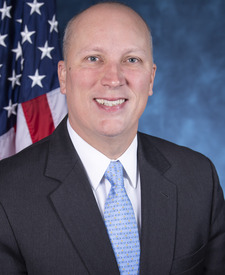
Legislative Progress
In CommitteeMr. Roy introduced the following bill; which was referred to …
Referred to the House Committee on Education and Workforce.
Introduced in House
Stakeholder Effects
cui bono?How this legislation distributes effects. Mention counts reflect frequency, not effect magnitude.
Higher education institutions promoting covered theories, K-12 schools promoting covered theories, Students objecting to compelled beliefs
Bill Structure & Actor Mappings
Who is "The Secretary" in each section?
We use a combination of our own taxonomy and classification in addition to large language models to assess meaning and potential beneficiaries. High confidence means strong textual evidence. Always verify with the original bill text.
Learn more about our methodology