Empowering Employer Child and Elder Care Solutions Act
Summary
What This Bill Does
The Empowering Employer Child and Elder Care Solutions Act changes the Fair Labor Standards Act overtime formula. Section 7(e) of the FLSA already lists payments that are excluded from an employee's regular rate of pay. This bill adds two new exclusions: employer payments or reimbursements for child or dependent care services, and the value of child or dependent care services that the employer directly provides. The change applies to workweeks beginning on or after enactment, so the overtime base can exclude those care benefits once the law takes effect.
Who Benefits and How
Employers offering child care benefits benefit because the value of those benefits no longer increases their overtime wage base. Employers offering dependent care benefits receive the same cost protection when they reimburse or provide care for other dependents. Employer-sponsored care vendors may gain revenue opportunities if more companies offer care assistance once the overtime-cost penalty is removed. Working parents receiving employer care assistance benefit from access to care support, although the bill treats that support differently from cash wages for overtime purposes.
Who Bears the Burden and How
Hourly employees receiving employer care benefits could lose overtime pay they would otherwise receive if the value of those benefits counted in the regular rate. Labor unions representing hourly workers may face pressure to bargain over how care benefits affect total compensation. The Department of Labor Wage and Hour Division would need to administer or explain the new exclusion when enforcing overtime rules.
Key Provisions
- Amends FLSA section 7(e) to exclude employer payments or reimbursements for child or dependent care services from overtime regular-rate calculations.
- Adds the value of employer-provided child or dependent care services as a separate regular-rate exclusion.
- Provides that the overtime exclusion applies to workweeks beginning on or after the date of enactment.
- Limits the bill's direct legal change to overtime treatment rather than creating a new child care or dependent care grant program.
Evidence Chain:
This summary is generated from the full bill text using AI analysis. Expand "Detailed Analysis" below for identified beneficiaries/burden bearers with clause-level evidence links.
At a Glance
What This Bill Does
Amends the Fair Labor Standards Act regular-rate rules so employer payments, reimbursements, or direct provision of child and dependent care services are excluded from the pay base used to calculate overtime.
Key Policy Areas
Labor, Child Care, Dependent Care, Employment Benefits
Primary Purpose
Amends the Fair Labor Standards Act regular-rate rules so employer payments, reimbursements, or direct provision of child and dependent care services are excluded from the pay base used to calculate overtime.
Policy Domains
House resolution provisions
Identified Gains
- Employers offering child care benefits
- Employers offering dependent care benefits
- Employer-sponsored care vendors
- Working parents receiving employer care assistance
Identified Costs
- Hourly employees receiving employer care benefits
- Labor unions representing hourly workers
- Department of Labor Wage and Hour Division
Sponsors

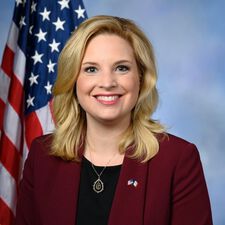
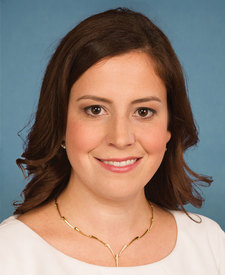
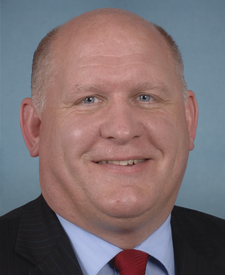
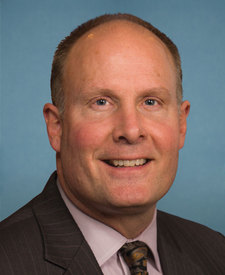
Legislative Progress
ReportedPOSTPONED PROCEEDINGS - Pursuant to clause 1(c) of rule XIX, …
On motion to recommit Failed by the Yeas and Nays: …
Considered as unfinished business. (consideration: CR H693-694)
POSTPONED PROCEEDINGS - Pursuant to clause 1(c) of rule XIX, …
On motion to recommit Failed by the Yeas and Nays: …
Considered as unfinished business. (consideration: CR H693-694)
POSTPONED PROCEEDINGS - At the conclusion of debate on H.R. …
The previous question on the motion to recommit was ordered …
Ms. Lee (PA) moved to recommit to the Committee on …
The previous question was ordered pursuant to the rule.
Stakeholder Effects
cui bono?How this legislation distributes effects. Mention counts reflect frequency, not effect magnitude.
Department of Labor Wage and Hour Division, Employers offering child care benefits, Employers offering dependent care benefits
Positive-direction: Employers offering child care benefits, Employers offering dependent care benefits
Negative-direction: Department of Labor Wage and Hour Division, Hourly employees receiving care benefits
Bill Structure & Actor Mappings
Who is "The Secretary" in each section?
- "flsa"
- → Fair Labor Standards Act
- "dol_whd"
- → Department of Labor Wage and Hour Division
We use a combination of our own taxonomy and classification in addition to large language models to assess meaning and potential beneficiaries. High confidence means strong textual evidence. Always verify with the original bill text.
Learn more about our methodology