Flexibility for Workers Education Act
Summary
What This Bill Does
The Flexibility for Workers Education Act changes the FLSA rule for counting certain training and education time as hours worked. It rewrites section 3(o) so the existing exclusion for clothes-changing or washing under a bona fide collective-bargaining agreement remains in place, and it adds a separate exclusion for time an employee spends attending or participating in an education or training program, lecture, or similar activity. The exclusion applies only if the activity occurs outside regular working hours, participation is voluntary, the employer does not take adverse action when the employee declines, and the employee performs no work for the employer during the activity.
Who Benefits and How
Employers offering voluntary training benefit because qualifying off-hours education time does not have to be treated as paid hours worked for minimum-wage or overtime calculations. Employers sponsoring career-development programs receive clearer protection when participation is voluntary and no work is performed. Worker education providers may gain demand if employers can offer optional programs without creating compensable-hours exposure.
Who Bears the Burden and How
Hourly nonexempt employees attending training could lose paid hours if education time that might otherwise be compensable falls within the new exclusion. Labor unions representing nonexempt workers may need to monitor whether training is truly voluntary and whether nonattendance triggers adverse action. The Department of Labor Wage and Hour Division must enforce the new boundary between voluntary education and compensable work.
Key Provisions
- Amends FLSA section 3(o) to preserve the collective-bargaining exclusion for clothes-changing or washing time.
- Excludes voluntary education, training, lecture, or similar activity time from compensable hours when it occurs outside regular working hours.
- Requires participation to be voluntary and bars employer adverse action for nonattendance.
- Requires the employee to perform no work for the employer during the excluded activity.
- Applies the amended hours-worked rule to hours worked on or after enactment.
Evidence Chain:
This summary is generated from the full bill text using AI analysis. Expand "Detailed Analysis" below for identified beneficiaries/burden bearers with clause-level evidence links.
At a Glance
What This Bill Does
Amends the Fair Labor Standards Act hours-worked definition so time spent attending voluntary education, training, lectures, or similar activities outside regular working hours is excluded from compensable hours when attendance is voluntary, the employer takes no adverse action for nonattendance, and the employee performs no work during the activity.
Key Policy Areas
Labor, Education, Employment Benefits
Primary Purpose
Amends the Fair Labor Standards Act hours-worked definition so time spent attending voluntary education, training, lectures, or similar activities outside regular working hours is excluded from compensable hours when attendance is voluntary, the employer takes no adverse action for nonattendance, and the employee performs no work during the activity.
Policy Domains
House resolution provisions
Identified Gains
- Employers offering voluntary training
- Employers sponsoring career-development programs
- Worker education providers
Identified Costs
- Hourly nonexempt employees attending training
- Labor unions representing nonexempt workers
- Department of Labor Wage and Hour Division
Sponsors
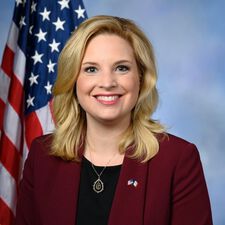


Legislative Progress
ReportedMotion to reconsider laid on the table Agreed to without …
On passage Failed by the Yeas and Nays: 209 - …
Failed of passage/not agreed to in House On passage Failed …
On motion to recommit Failed by the Yeas and Nays: …
Considered as unfinished business. (consideration: CR H692-693)
POSTPONED PROCEEDINGS - At the conclusion of debate on H.R. …
The previous question on the motion to recommit was ordered …
Mr. Norcross moved to recommit to the Committee on Education …
The previous question was ordered pursuant to the rule.
DEBATE - The House proceeded with one hour of debate …
Stakeholder Effects
cui bono?How this legislation distributes effects. Mention counts reflect frequency, not effect magnitude.
Department of Labor Wage and Hour Division, Employers offering voluntary training, Employers sponsoring career-development programs
Positive-direction: Employers offering voluntary training, Employers sponsoring career-development programs
Negative-direction: Department of Labor Wage and Hour Division, Hourly nonexempt employees attending training, Labor unions representing nonexempt workers
Bill Structure & Actor Mappings
Who is "The Secretary" in each section?
- "flsa"
- → Fair Labor Standards Act
- "dol_whd"
- → Department of Labor Wage and Hour Division
We use a combination of our own taxonomy and classification in addition to large language models to assess meaning and potential beneficiaries. High confidence means strong textual evidence. Always verify with the original bill text.
Learn more about our methodology