To amend the Homeland Security Act of 2002 to enhance the Department of Homeland Securitys oversight of certain intelligence matters, and for other purposes.
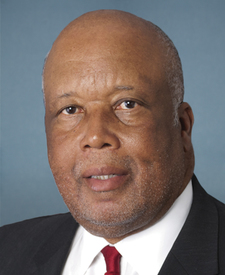
Sponsors


Legislative Progress
Passed HouseReceived; read twice and referred to the Committee on Homeland …
Passed House (inferred from eh version)
Additional sponsors: Mr. Thompson of Mississippi and Mr. Evans of …
Committed to the Committee of the Whole House on the …
Mr. Hernández introduced the following bill; which was referred to …
Summary
What This Bill Does
Amends the Homeland Security Act to strengthen privacy and civil liberties oversight of DHS intelligence activities. Requires Chief Privacy Officer and Civil Rights Officer coordination on intelligence information sharing, retention, and dissemination.
Who Benefits and How
Citizens gain enhanced privacy protections in DHS intelligence operations. Civil liberties safeguarded through institutional oversight.
Who Bears the Burden and How
DHS intelligence personnel must receive training on privacy regulations. Under Secretary for Intelligence must coordinate with privacy officials.
Key Provisions
- Intelligence sharing must be consistent with privacy and civil rights protections
- Chief Privacy Officer and Civil Rights Officer determine compliance
- Training for intelligence personnel on Privacy Act and information practices
- Focus on personnel with dissemination authority
Evidence Chain:
This summary is derived from the structured analysis below. See "Detailed Analysis" for per-title beneficiaries/burden bearers with clause-level evidence links.
Primary Purpose
Enhances DHS oversight of intelligence activities to protect privacy and civil liberties
Policy Domains
Legislative Strategy
"Institutional safeguards for intelligence privacy"
Bill Structure & Actor Mappings
Who is "The Secretary" in each section?
- "the_under_secretary"
- → Under Secretary for Intelligence and Analysis
We use a combination of our own taxonomy and classification in addition to large language models to assess meaning and potential beneficiaries. High confidence means strong textual evidence. Always verify with the original bill text.
Learn more about our methodology