National Strategy for School Security Act of 2025
Summary
What This Bill Does
The National Strategy for School Security Act of 2025 adds a new section 2220F to the Homeland Security Act. Within one year, the Secretary of Homeland Security, in consultation with the Secretary of Education and heads of appropriate federal agencies, must submit a national school security strategy to four congressional committees: House Homeland Security, House Education and Workforce, Senate Homeland Security, and Senate HELP. DHS must brief those committees on the strategy, update it annually through 2033 if appropriate, brief committees on updates, or certify when no update is made. The strategy must describe all federal programs, projects, activities, authorities, and spending levels used to secure elementary and secondary schools from terrorism; identify specific school-security vulnerabilities in the United States; set goals for closing those vulnerabilities; describe actions and resources needed; reform or streamline existing efforts for the current threat environment; and build on existing evaluations without duplicating other DHS school-security work.
Who Benefits and How
Elementary schools, secondary schools, school district security directors, state education agencies, local emergency managers, school resource officers, parents of K-12 students, DHS school-safety offices, Education Department school-safety staff, House Homeland Security Committee staff, House Education Committee staff, Senate Homeland Security Committee staff, and Senate HELP Committee staff benefit because the bill creates a federal inventory, vulnerability analysis, spending map, goals, annual updates, and congressional briefings focused on terrorism threats to schools.
Who Bears the Burden and How
The Secretary of Homeland Security, DHS strategy staff, the Secretary of Education, Education Department policy staff, heads of participating federal agencies, federal grant-program administrators, DHS briefing teams, school districts asked for security data, and taxpayers bear burdens because the strategy requires interagency coordination, spending-level accounting, vulnerability identification, annual update decisions through 2033, no-update certifications, congressional briefings, and potential reform or streamlining of existing school-security efforts.
Key Provisions
- Requires DHS to submit a national school security strategy to House and Senate committees within one year.
- Requires the strategy to account for federal programs, projects, activities, authorities, and spending levels used to secure K-12 schools from terrorism.
- Requires the strategy to identify school-security vulnerabilities, set goals, and describe actions and resources needed to close those vulnerabilities.
- Requires DHS to build on existing evaluations and avoid duplicating prior school-security working groups or commissions.
- Requires annual updates and congressional briefings through 2033, or certifications when no update is made.
Evidence Chain:
This summary is generated from the full bill text using AI analysis. Expand "Detailed Analysis" below for identified beneficiaries/burden bearers with clause-level evidence links.
At a Glance
What This Bill Does
Requires the Homeland Security Secretary, in consultation with the Education Secretary and other federal agencies, to submit and brief Congress on a national strategy for securing elementary and secondary schools from terrorism within one year, update it annually through 2033 or certify no update, and include federal spending, vulnerabilities, goals, reform steps, and prior security evaluations.
Key Policy Areas
Homeland Security, Education, School Safety
Primary Purpose
Requires the Homeland Security Secretary, in consultation with the Education Secretary and other federal agencies, to submit and brief Congress on a national strategy for securing elementary and secondary schools from terrorism within one year, update it annually through 2033 or certify no update, and include federal spending, vulnerabilities, goals, reform steps, and prior security evaluations.
Policy Domains
Substantive provisions
Identified Gains
- Elementary schools
- Secondary schools
- School district security directors
- State education agencies
- Local emergency managers
- School resource officers
- Parents of K-12 students
- DHS school-safety offices
- Education Department school-safety staff
- House Homeland Security Committee staff
- House Education Committee staff
- Senate Homeland Security Committee staff
- Senate HELP Committee staff
Identified Costs
- Secretary of Homeland Security
- DHS strategy staff
- Secretary of Education
- Education Department policy staff
- Heads of participating federal agencies
- Federal grant-program administrators
- DHS briefing teams
- School districts asked for security data
- Taxpayers
Sponsors


Legislative Progress
Passed HouseReceived; read twice and referred to the Committee on Homeland …
Received in the Senate and Read twice and referred to …
Passed House (inferred from eh version)
Motion to reconsider laid on the table Agreed to without …
On motion to suspend the rules and pass the bill, …
Passed/agreed to in House: On motion to suspend the rules …
DEBATE - The House proceeded with forty minutes of debate …
Considered under suspension of the rules. (consideration: CR H4785-4786)
Mr. Guest moved to suspend the rules and pass the …
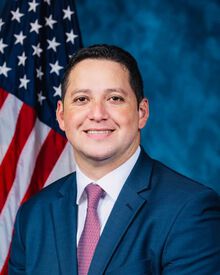
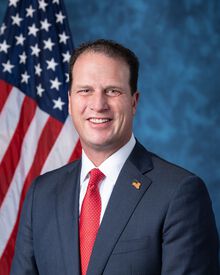
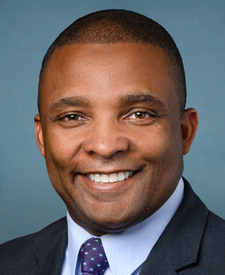
Additional sponsors: Mr. Pfluger and Mr. Vindman
Stakeholder Effects
cui bono?How this legislation distributes effects. Mention counts reflect frequency, not effect magnitude.
DHS school-safety offices, DHS strategy staff, Education Department policy staff
Elementary schools, School district security directors, Secondary schools
Local emergency managers, State education agencies
Parents of K-12 students, Taxpayers
Positive-direction: Parents of K-12 students
Negative-direction: Taxpayers
Bill Structure & Actor Mappings
Who is "The Secretary" in each section?
- "schools"
- → elementary and secondary schools as defined by the Elementary and Secondary Education Act
- "secretary"
- → Secretary of Homeland Security
- "education_secretary"
- → Secretary of Education
We use a combination of our own taxonomy and classification in addition to large language models to assess meaning and potential beneficiaries. High confidence means strong textual evidence. Always verify with the original bill text.
Learn more about our methodology