National Rosie the Riveter Day Act
Summary
What This Bill Does
The National Rosie the Riveter Day Act creates an annual commemorative day honoring the more than 6 million American women who joined the workforce during World War II. The findings describe women who worked or volunteered in factories, farms, shipyards, airplane factories, banks, the United Service Organizations, the American Red Cross, truck driving, aircraft riveting, materials collection, bandage rolling, and rationing boards, often while facing harassment, discrimination, prejudice, racial segregation, and exclusion. The bill adds a new title 36 section 149 requesting the President to issue an annual proclamation calling on the public to observe National Rosie the Riveter Day and urging civil and educational authorities of state, territorial, Tribal, and local governments to hold appropriate programs and activities.
Who Benefits and How
Rosie the Riveter veterans and families benefit from annual national recognition of World War II home-front labor. Women's history educators benefit from a title 36 observance that supports classroom and civic programming. State and local civic organizations benefit from a federal prompt to hold ceremonies and activities. Communities honoring women of color in the wartime workforce benefit from findings recognizing discrimination, segregation, and contributions to the war effort.
Who Bears the Burden and How
The President is requested to issue an annual proclamation for National Rosie the Riveter Day. State education authorities and local civic officials are urged to organize observances and programs. Tribal and territorial education authorities may face planning work if they respond to the proclamation request. Federal commemorative staff must add and maintain the title 36 observance reference.
Key Provisions
- Adds National Rosie the Riveter Day to title 36.
- Provides national recognition for more than 6 million American women who joined the workforce during World War II.
- Directs title 36 to include an annual presidential proclamation request for public observance.
- Requires the observance language to urge state, territorial, Tribal, local, civil, and educational authorities to hold programs and activities.
Evidence Chain:
This summary is generated from the full bill text using AI analysis. Expand "Detailed Analysis" below for identified beneficiaries/burden bearers with clause-level evidence links.
At a Glance
What This Bill Does
Adds National Rosie the Riveter Day to title 36 and requests an annual presidential proclamation calling for national observance and urging state, territorial, Tribal, local, civil, and educational authorities to hold programs honoring World War II women workers.
Key Policy Areas
Commemoration, Women's History, Education
Primary Purpose
Adds National Rosie the Riveter Day to title 36 and requests an annual presidential proclamation calling for national observance and urging state, territorial, Tribal, local, civil, and educational authorities to hold programs honoring World War II women workers.
Policy Domains
Resolution provisions
Identified Gains
- Rosie the Riveter veterans
- Women's history educators
- State civic organizations
- Communities honoring women of color
Identified Costs
- President of the United States
- State education authorities
- Tribal education authorities
- Federal commemorative staff
Sponsors




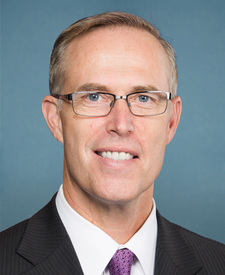
Legislative Progress
In CommitteeMr. Garamendi (for himself, Mr. Huffman, Mr. Mullin, Mr. Fitzpatrick, …
Referred to the House Committee on Oversight and Government Reform.
Introduced in House
Stakeholder Effects
cui bono?How this legislation distributes effects. Mention counts reflect frequency, not effect magnitude.
Rosie the Riveter veterans, Women's history educators
State civic organizations, State education authorities
Bill Structure & Actor Mappings
Who is "The Secretary" in each section?
We use a combination of our own taxonomy and classification in addition to large language models to assess meaning and potential beneficiaries. High confidence means strong textual evidence. Always verify with the original bill text.
Learn more about our methodology